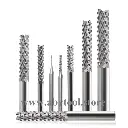
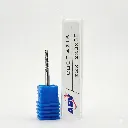
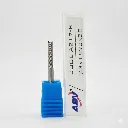
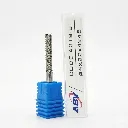
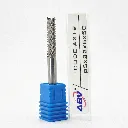
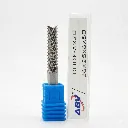
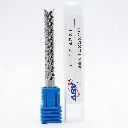
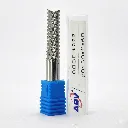
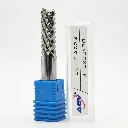
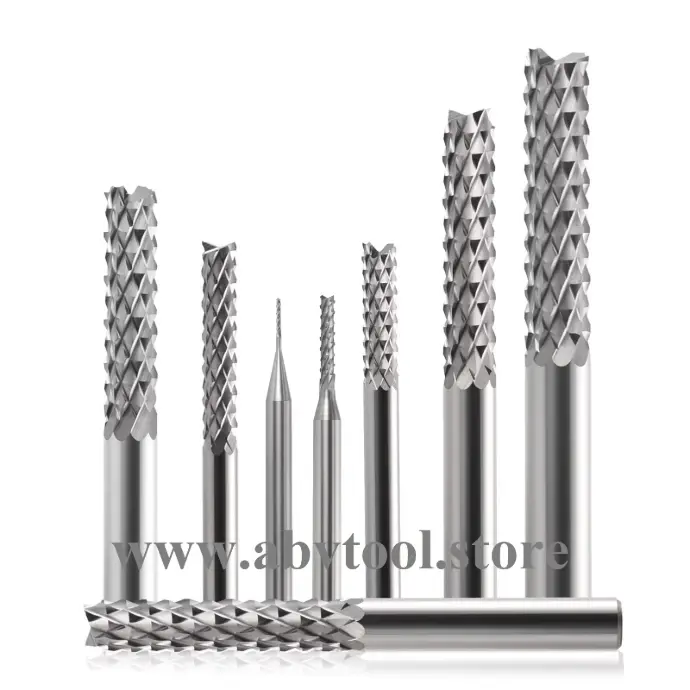
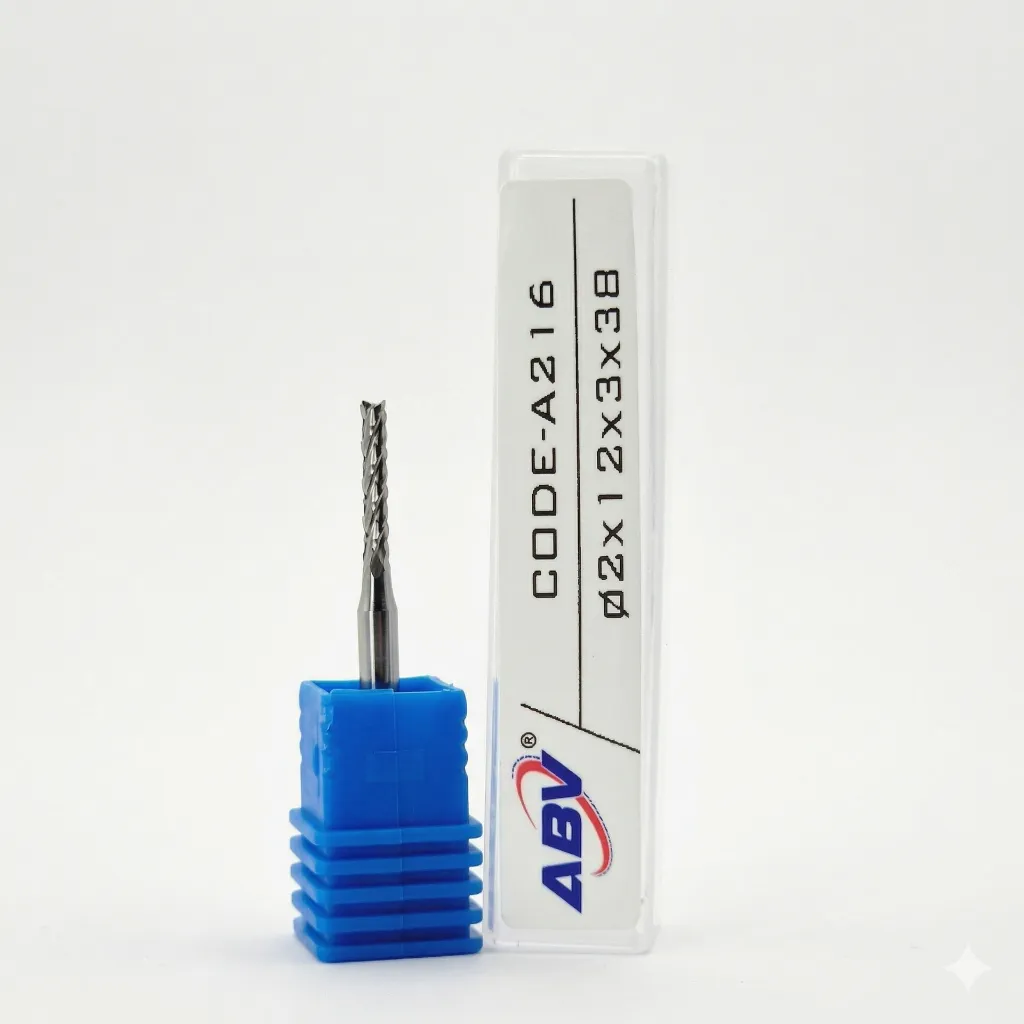
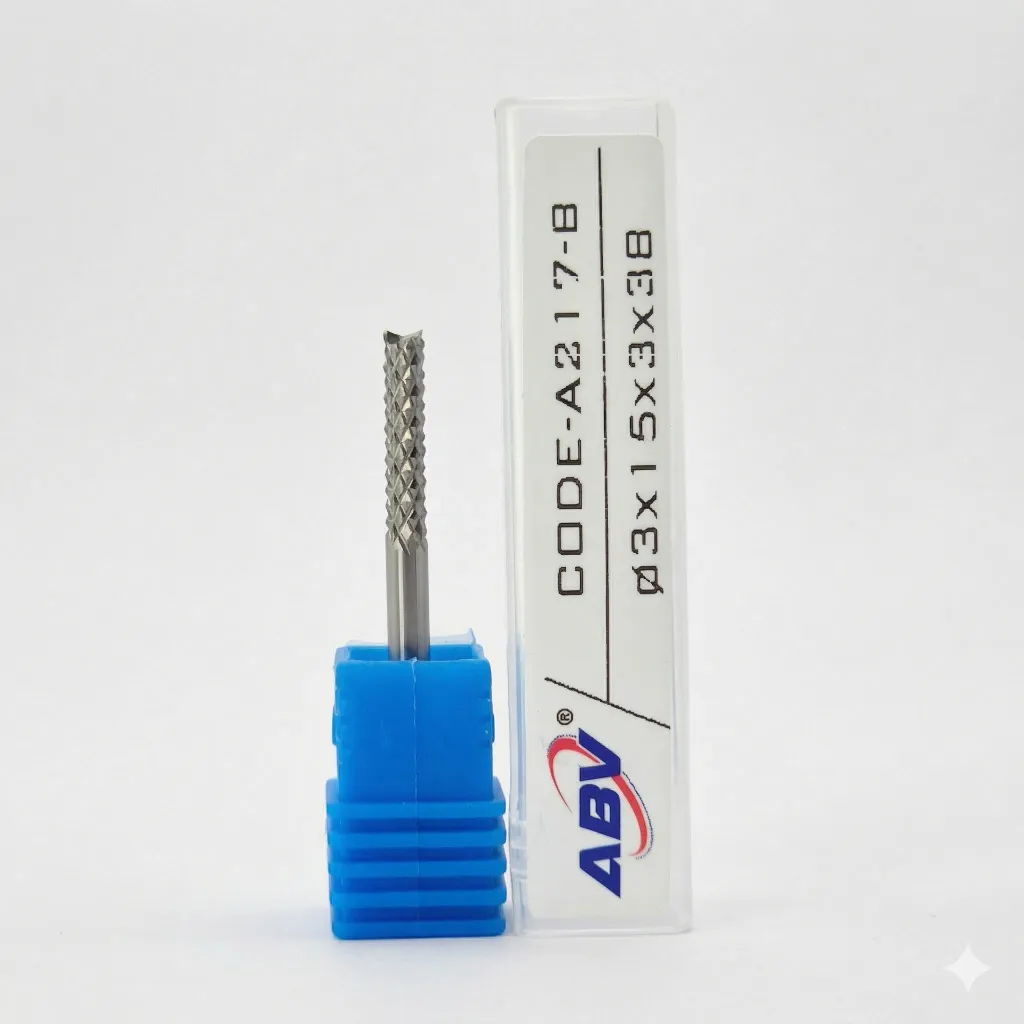
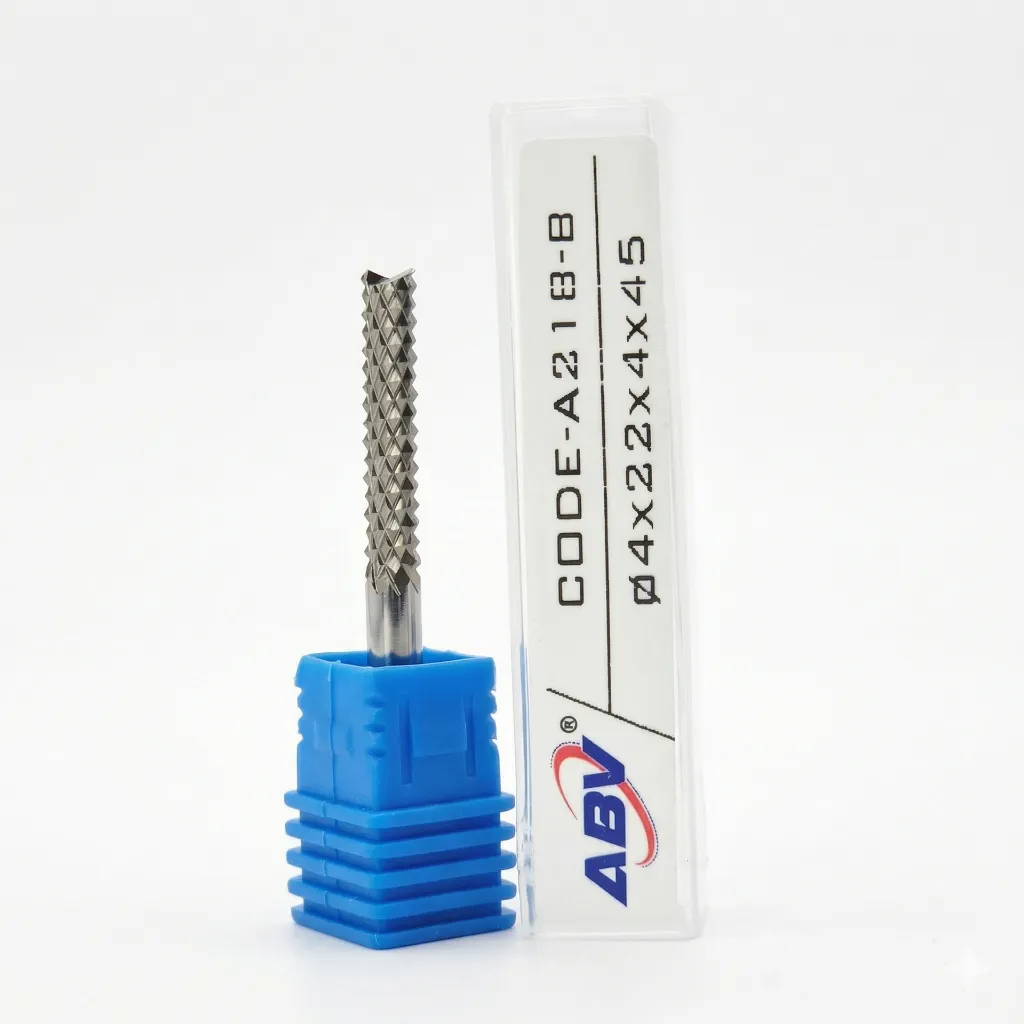
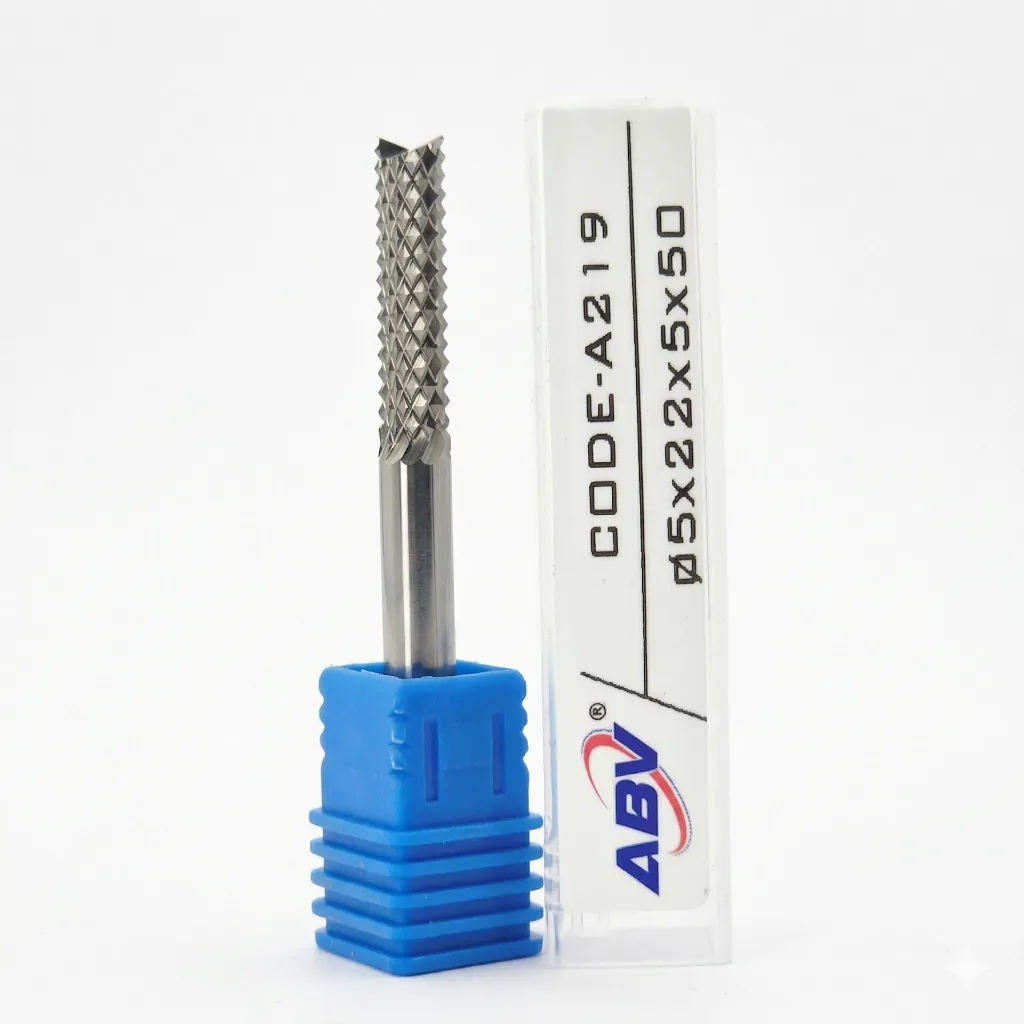
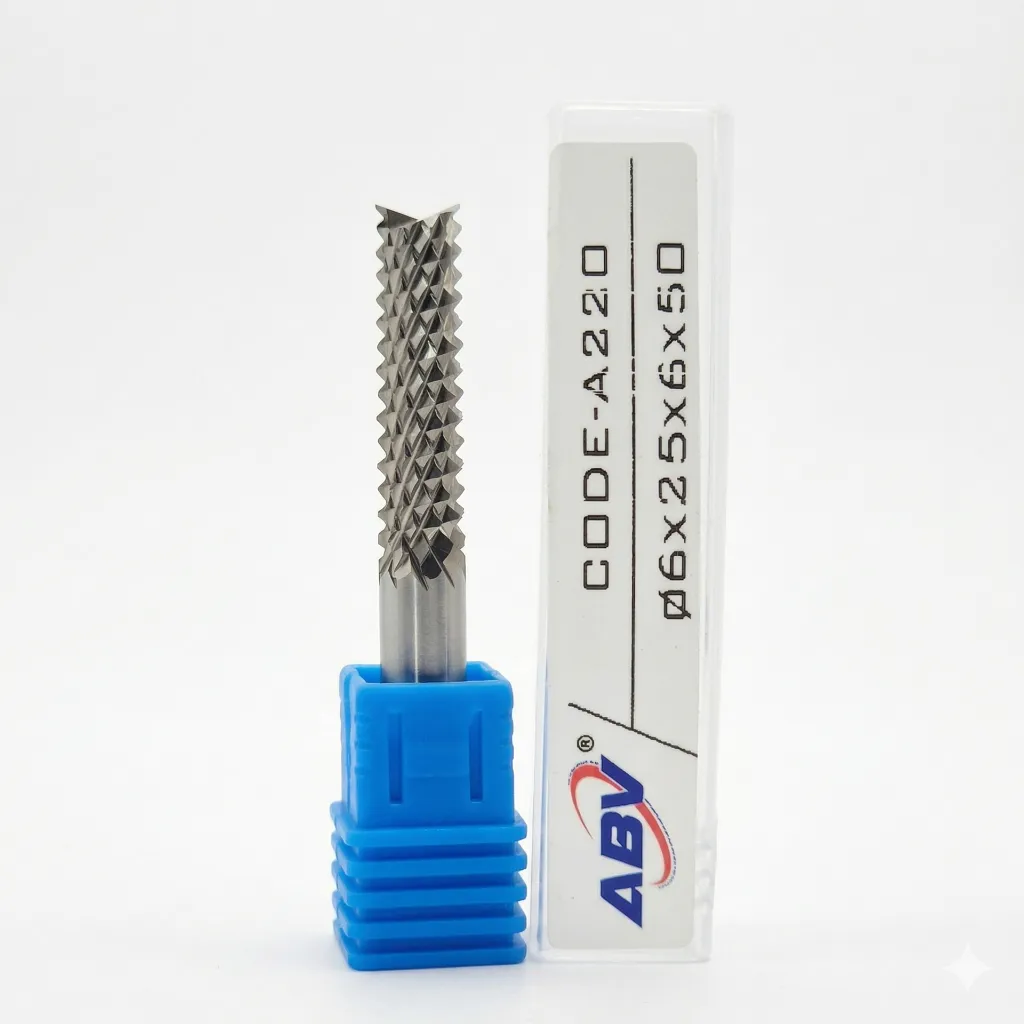
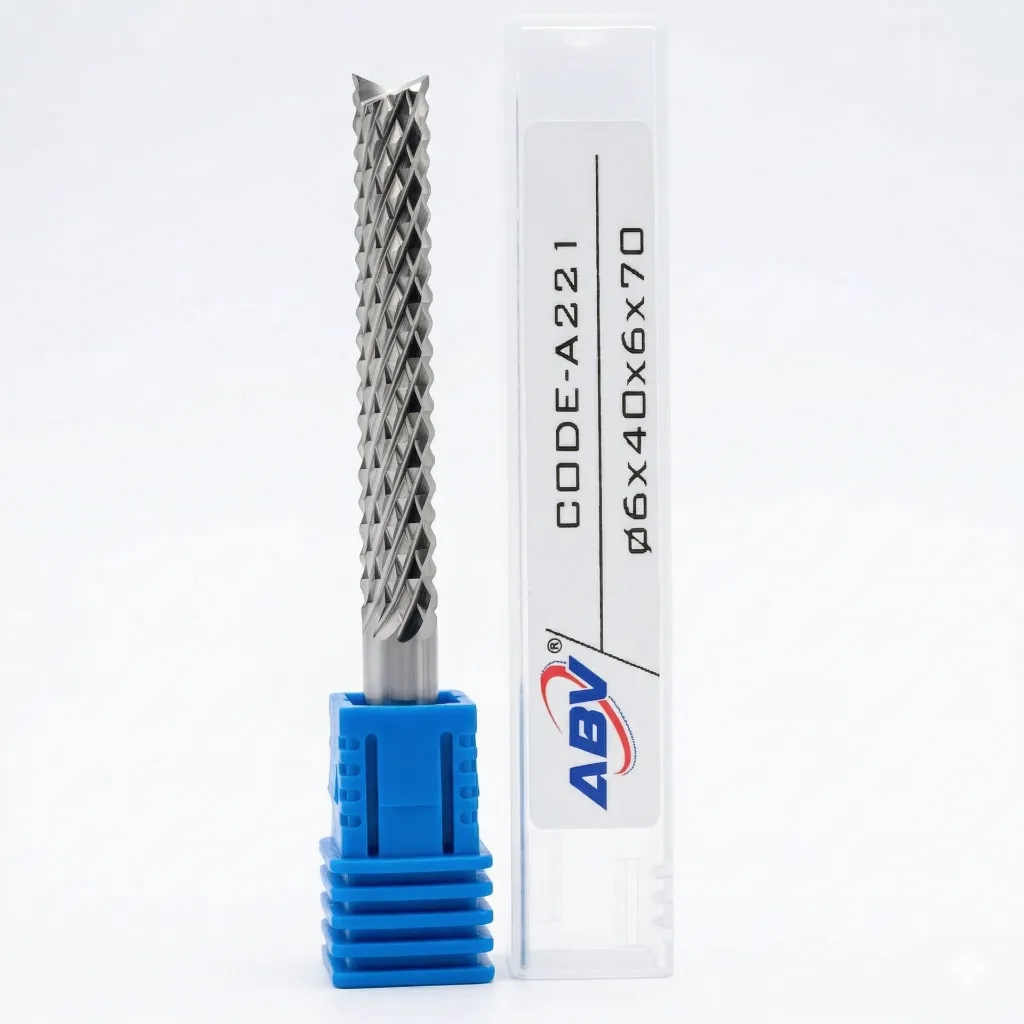
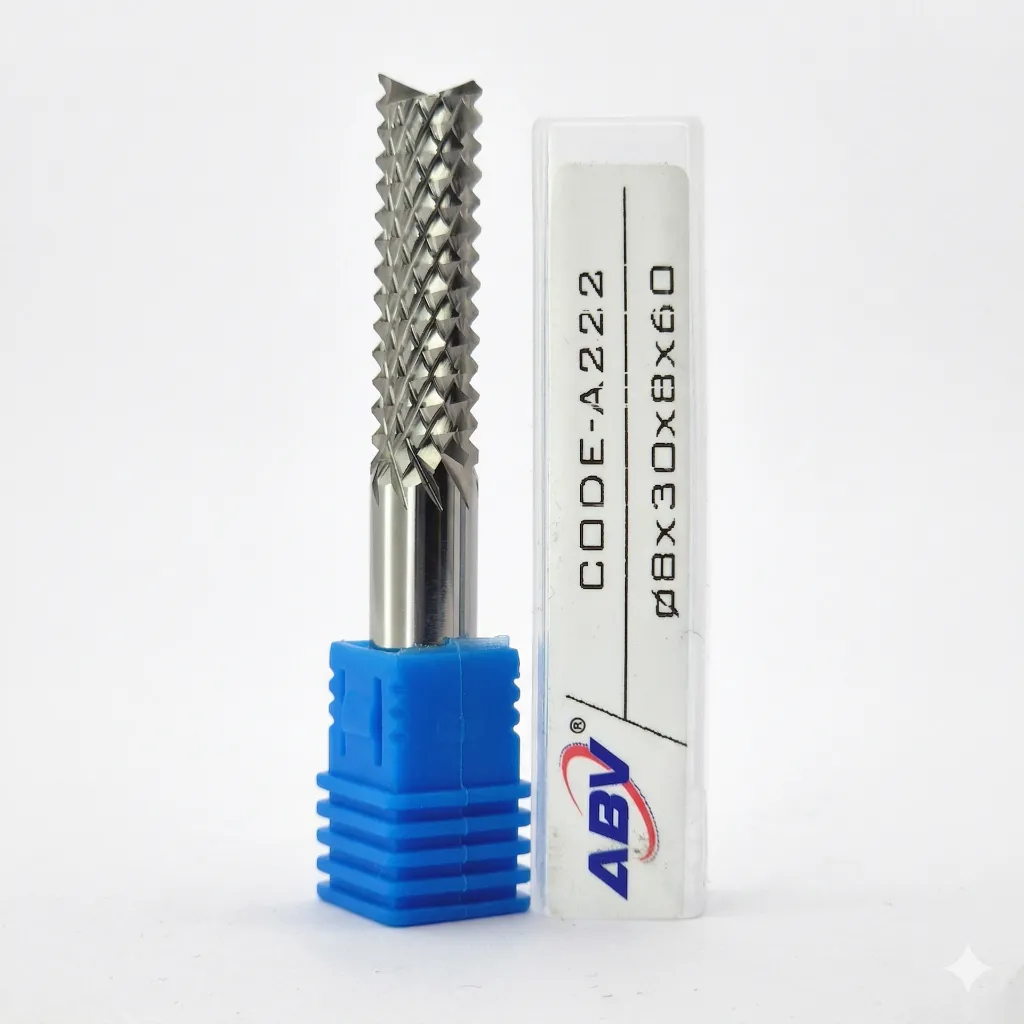
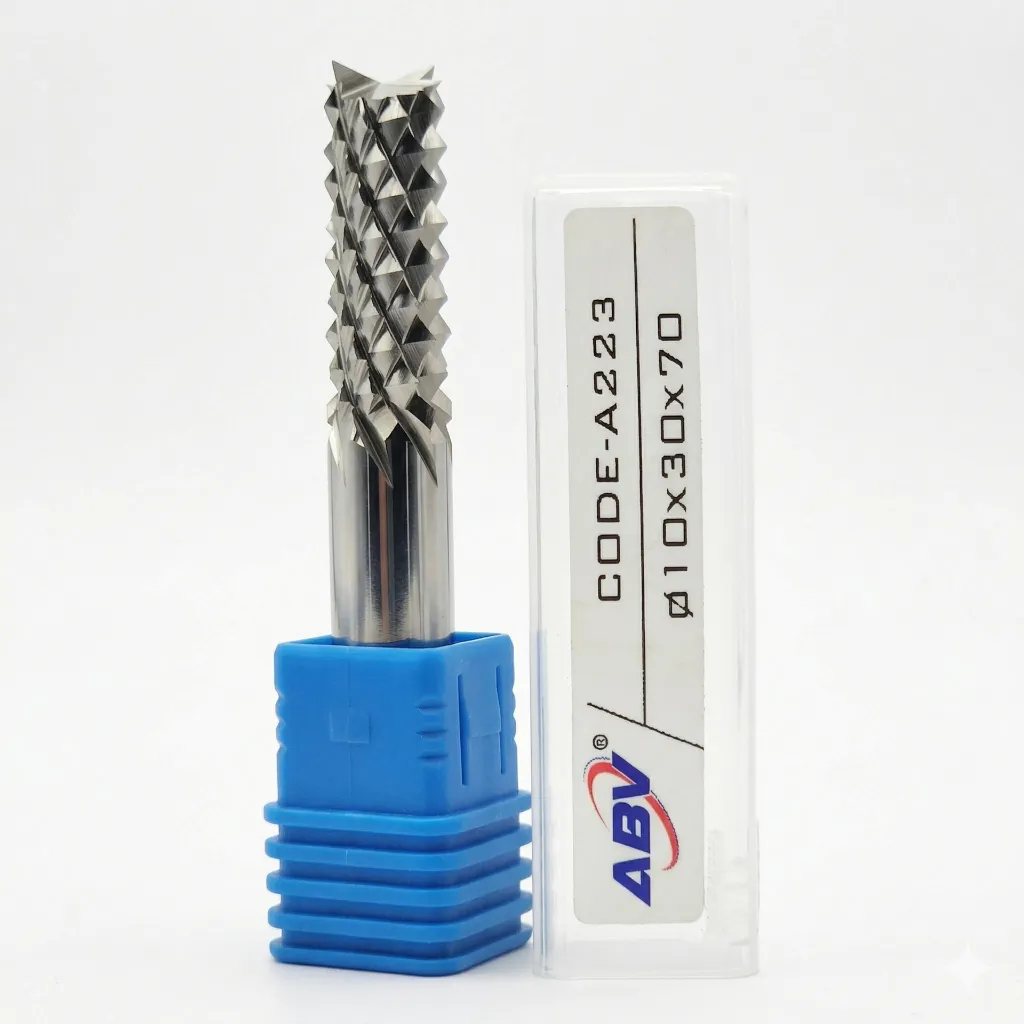
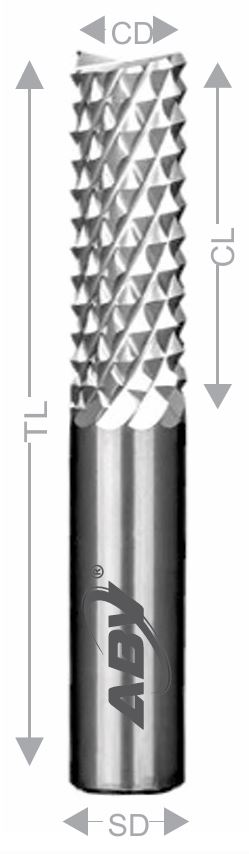
A Carbide Corn End Mill (also widely known as a Rougher-Finisher or Pineapple Bit) is a specialty tool designed for high-performance machining of abrasive, layered, or composite materials. Its name comes from the unique "corn-on-the-cob" appearance created by hundreds of tiny pyramid-shaped cutting teeth.
For ABV Tool, this is a "problem-solver" bit for customers struggling with edge delamination or high tool wear in composite materials.
1. How the "Corn" Geometry Works
Unlike a standard flute that has a continuous cutting edge, the Corn End Mill features a diamond-cut pattern:
Chip Breaking: Each tiny tooth acts as an individual cutting point. This breaks the material into a fine powder rather than long chips, which prevents heat buildup.
Balanced Forces: Because the teeth are arranged in a cross-hatch pattern, the vertical "pull" and "push" forces cancel each other out. This is critical for preventing the "lifting" of thin layers.
High Tooth Density: The sheer number of cutting edges allows for a very smooth finish on the side walls, even in very tough materials.
2. Best Materials & Applications
This bit is not for general woodworking; it is a specialist for:
| Material | Why use a Corn End Mill? |
| FR4 / G10 (PCB Boards) | The glass fibers in circuit boards are incredibly abrasive; the corn bit grinds through them without dulling. |
| Carbon Fiber (CFRP) | Prevents "fraying" or splintering of the carbon threads at the exit point of the cut. |
| Bakelite & Phenolics | Handles the brittle nature of these plastics without cracking the edges. |
| Fiberglass | Effectively "grinds" the glass strands rather than "tearing" them. |
| High-Pressure Laminates | Ideal for "nesting" or cutting shapes out of thick, dense laminate sheets. |
3. Comparison: Corn End Mill vs. Standard Spiral
| Feature | Corn End Mill | 2-Flute Spiral |
| Cutting Action | Grinding/Fracturing | Shearing/Slicing |
| Material Type | Abrasive Composites | Wood, Aluminum, Plastic |
| Edge Finish | Smooth (Sanded look) | Clean (Sliced look) |
| Tool Life in G10 | Excellent | Very Poor |
| Feed Rate | Moderate/Slow | High |
4. Technical Usage Tips
Dust Collection is Vital: Because these bits grind material into a fine powder (especially with Fiberglass or Carbon Fiber), a high-quality vacuum system is mandatory. The powder is hazardous and can settle into your CNC's lead screws.
RPM Settings: These bits typically run best at 18,000 to 22,000 RPM.
Feed Speed: Since the "gullets" (the space between teeth) are very small, don't push the feed rate too high, or the teeth will "clog" with dust, causing the bit to overheat and snap.
Direction: These bits perform excellently in both climb and conventional milling, but climb milling usually yields the cleanest edge on composites.
5. Summary for abvtool.store
In the Ahmedabad market, these are top sellers for Electronics Manufacturers (PCB drilling/routing) and Panel Builders using industrial laminates.
Stocking Note: You should stock these in small diameters 0.8mm to 3.175mm for PCB work and larger sizes 6mm to 12mm for industrial composite fabrication.