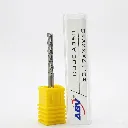
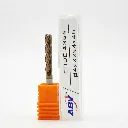
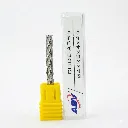
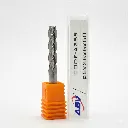
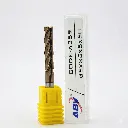
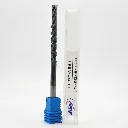
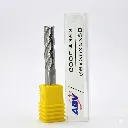
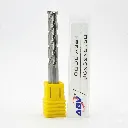
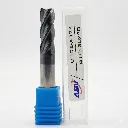
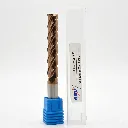
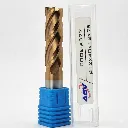
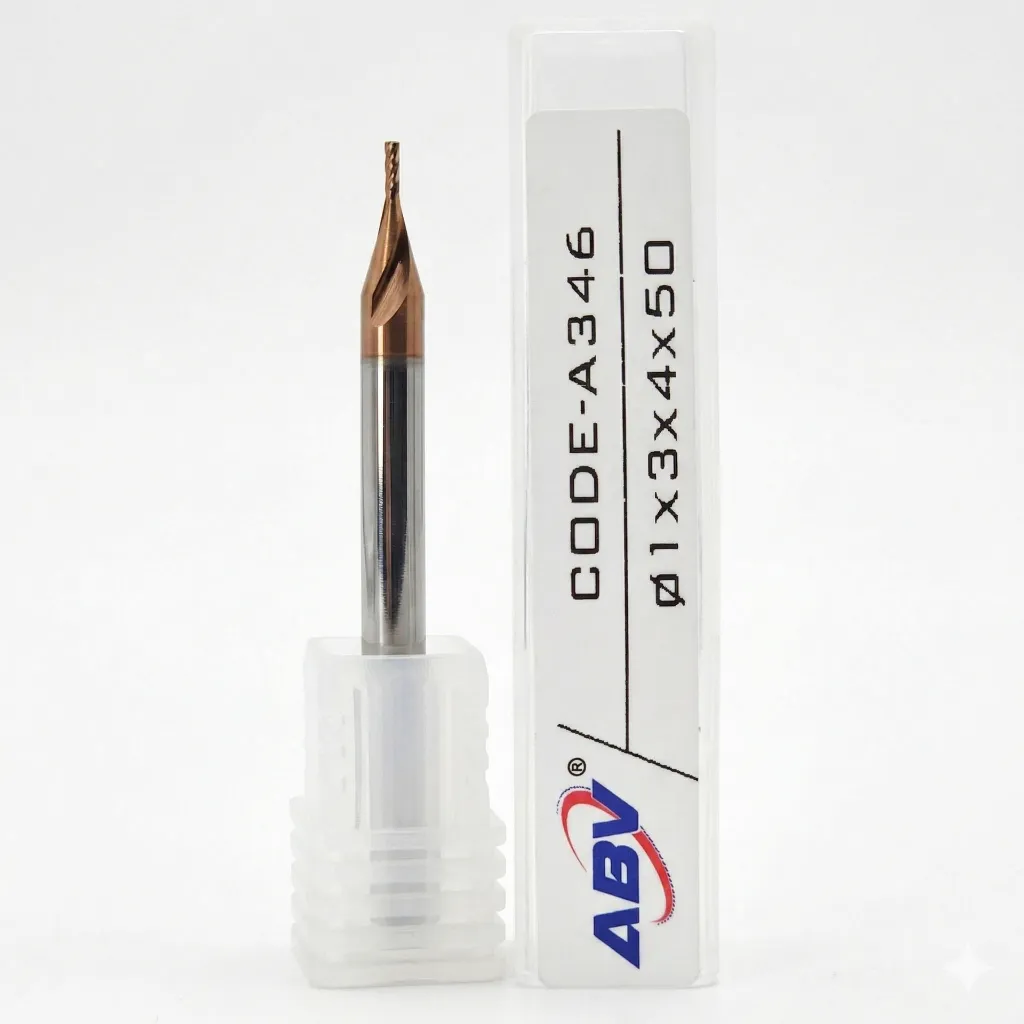
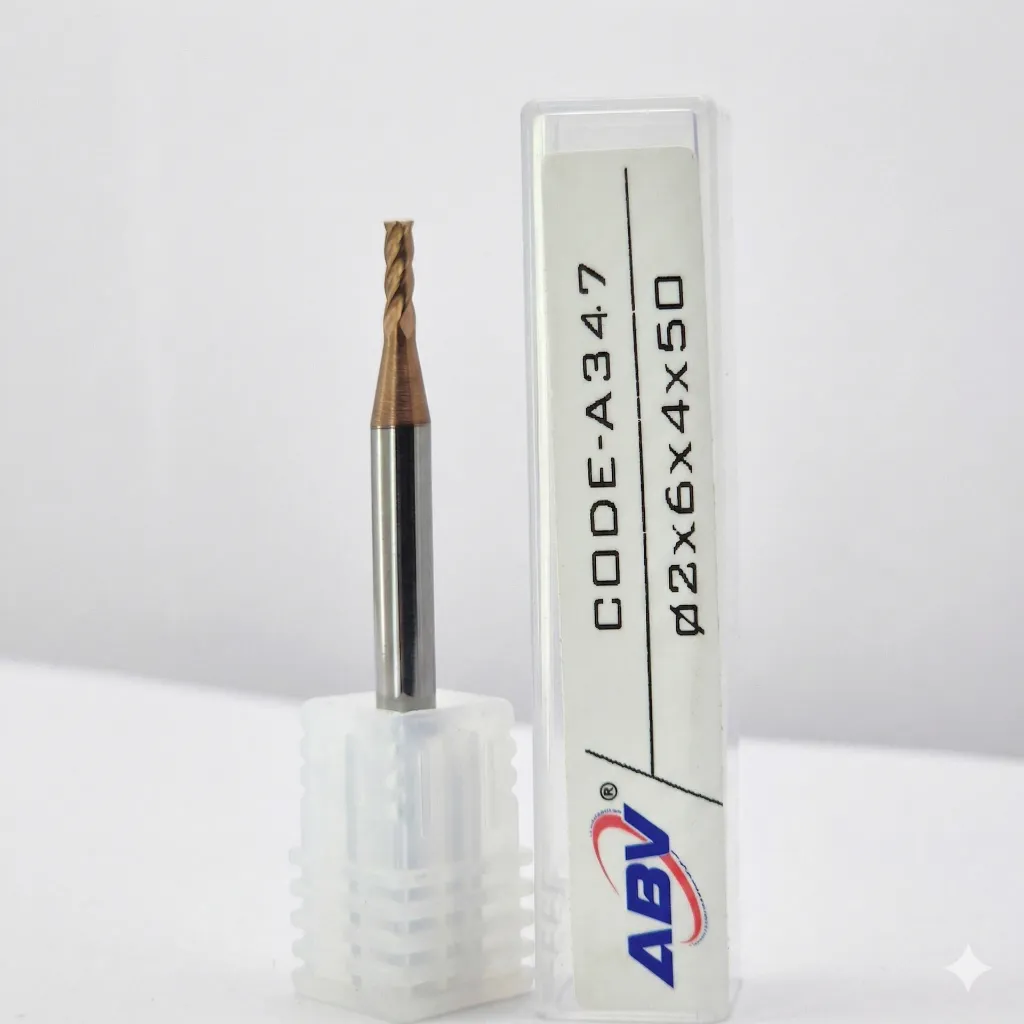
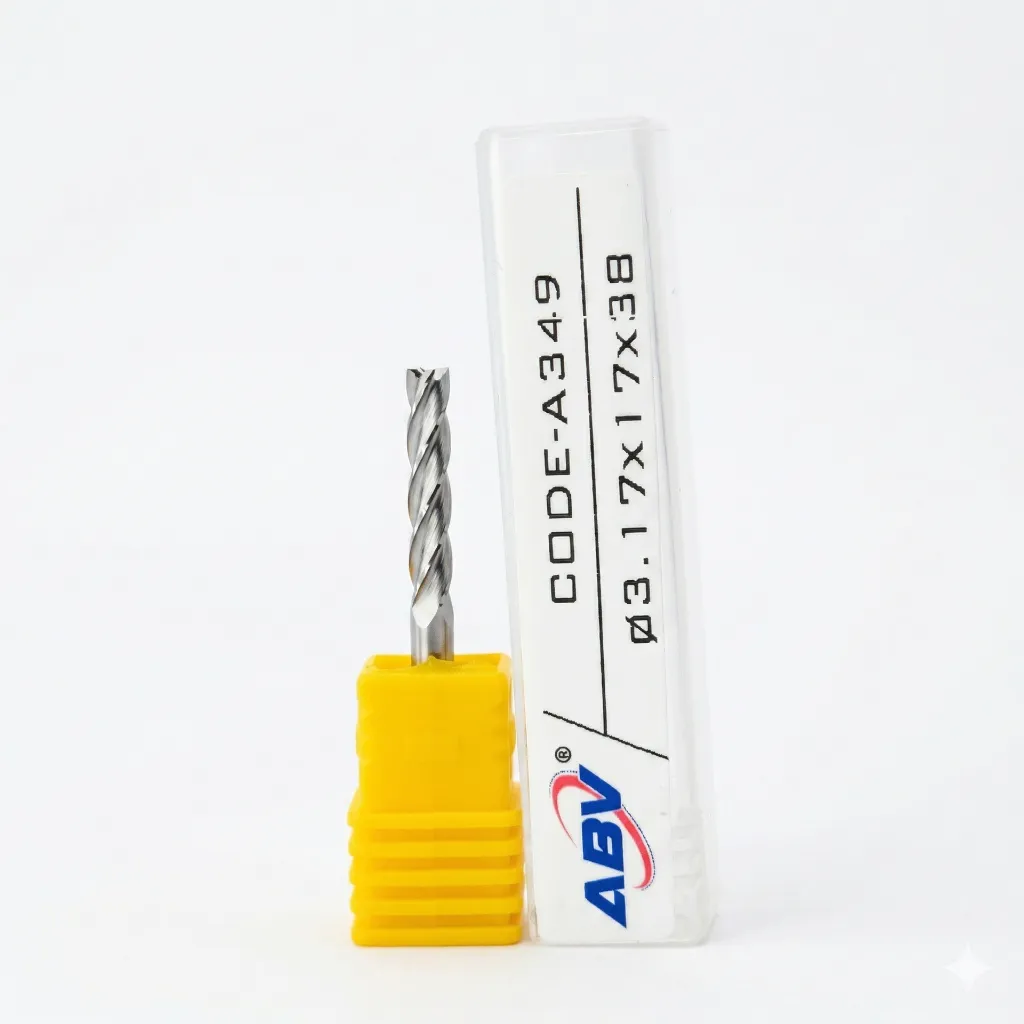
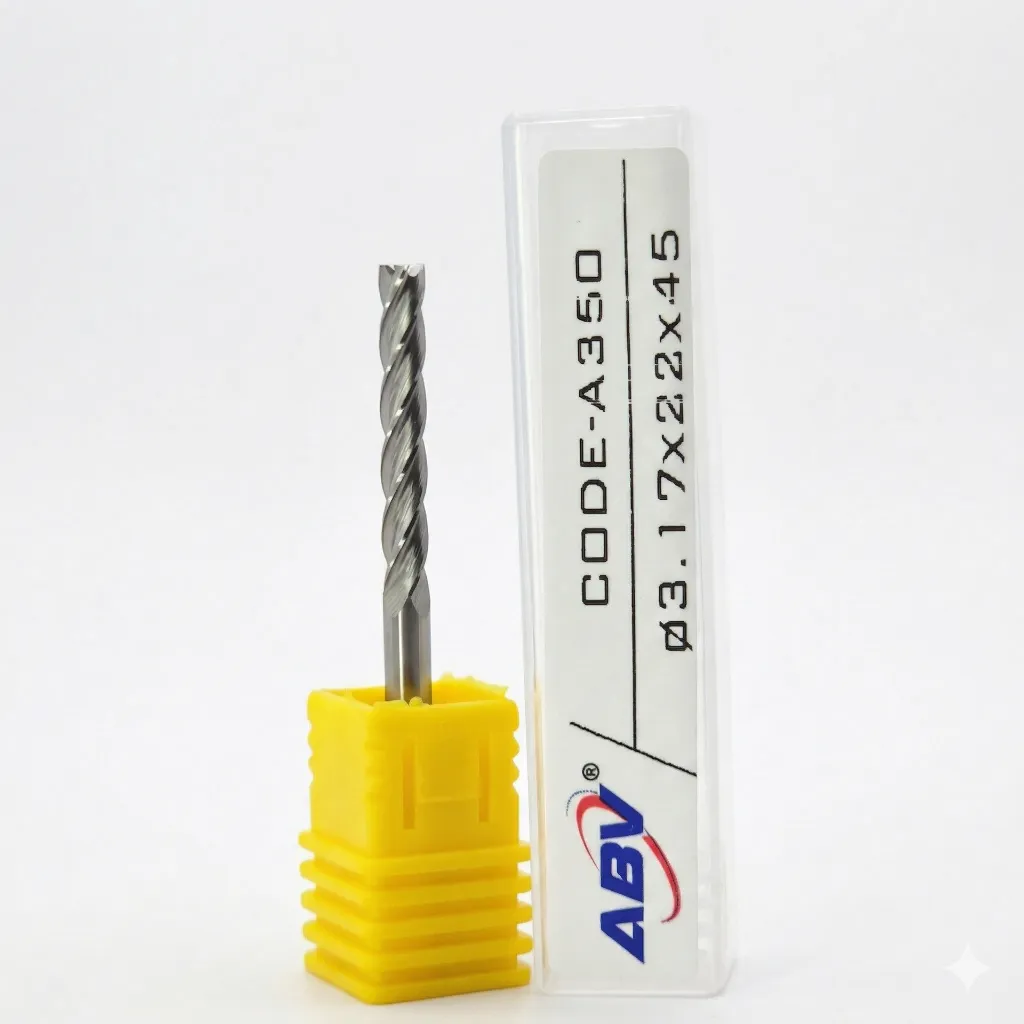
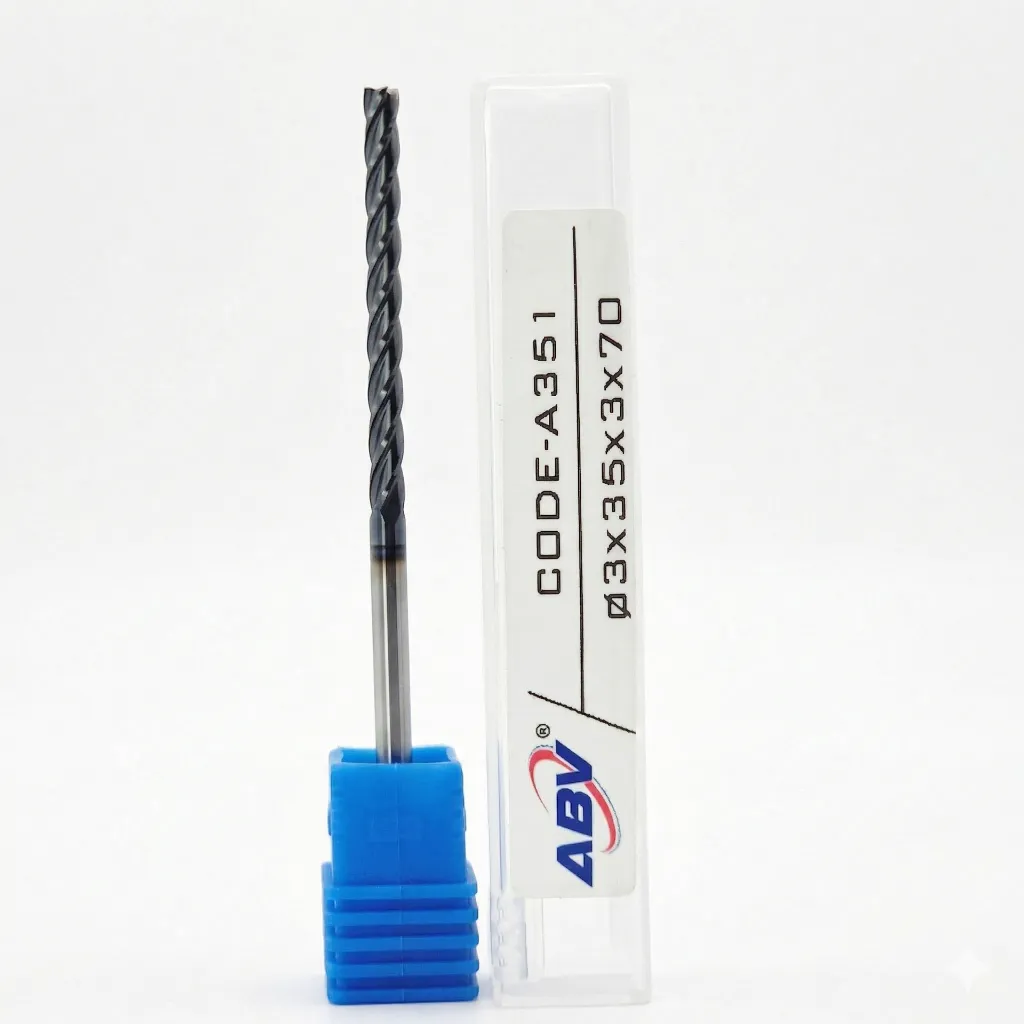
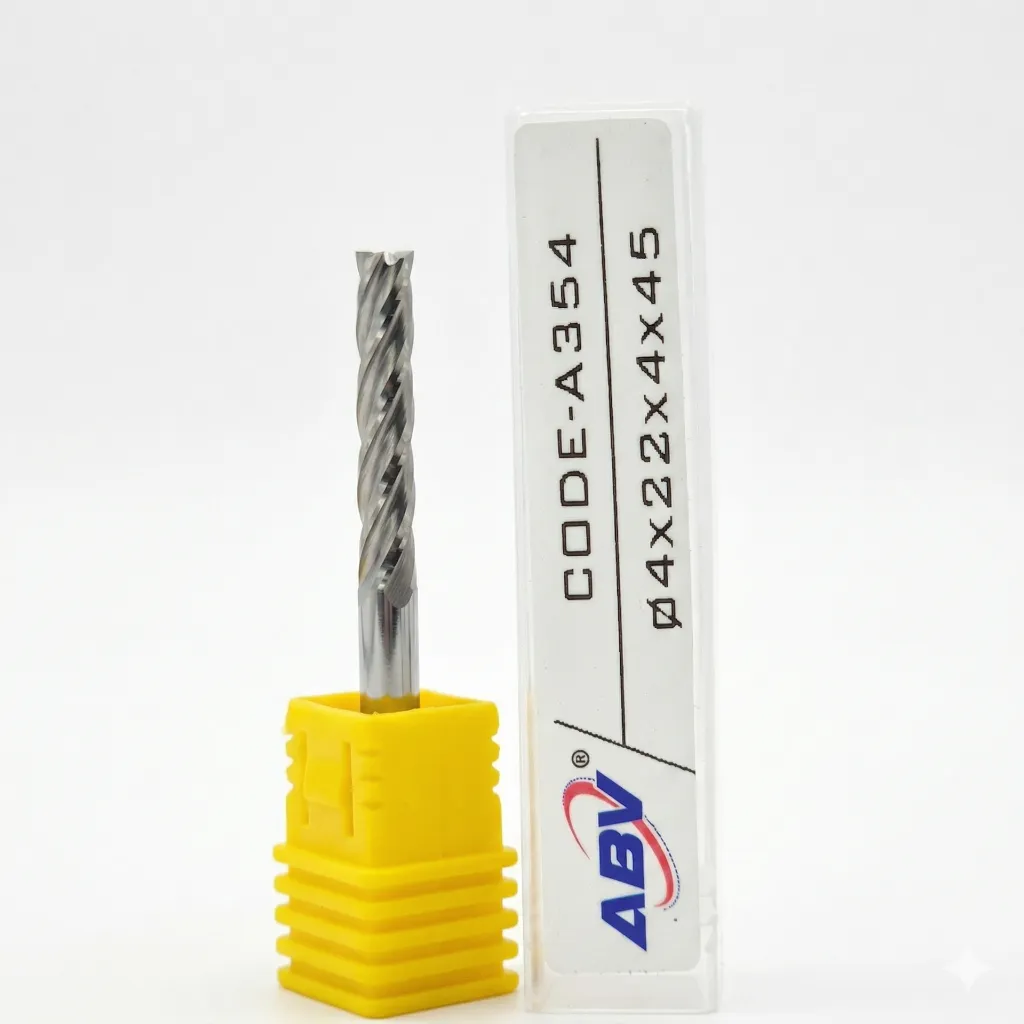
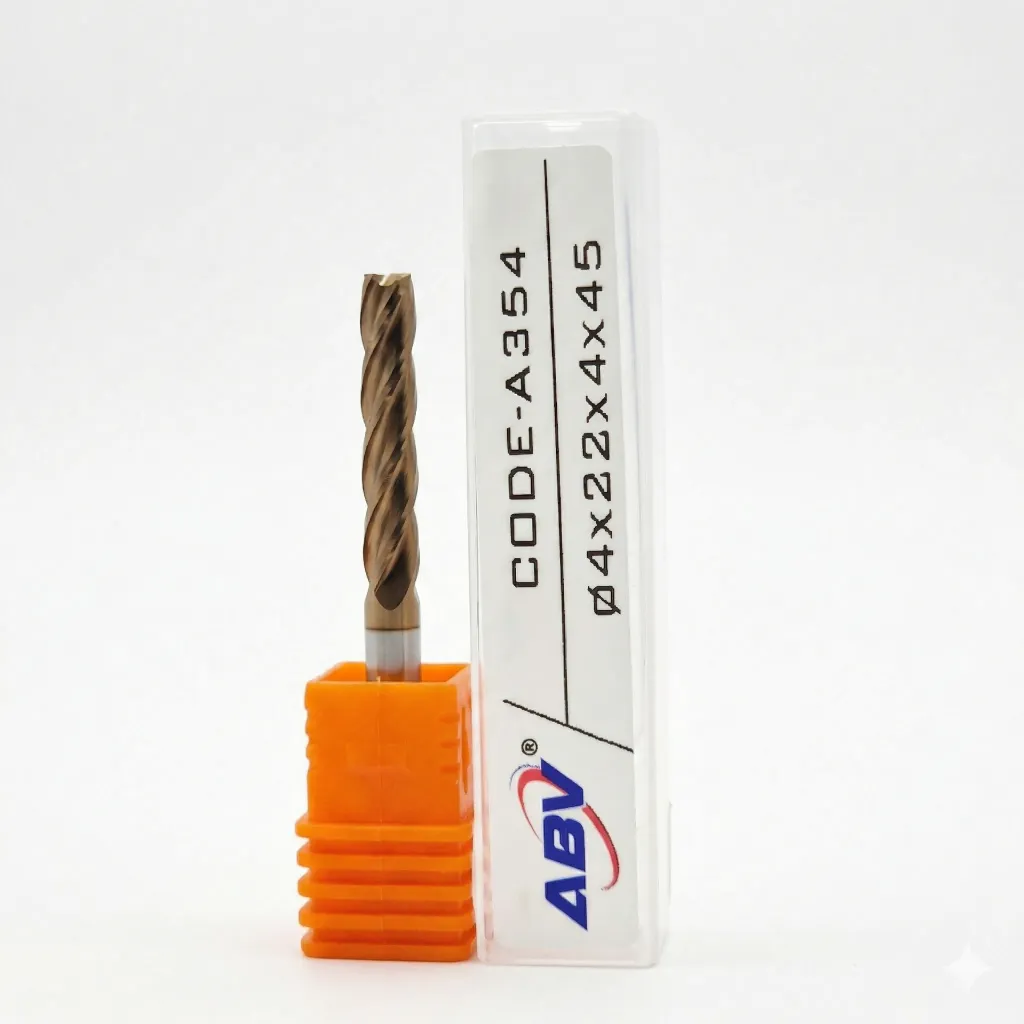
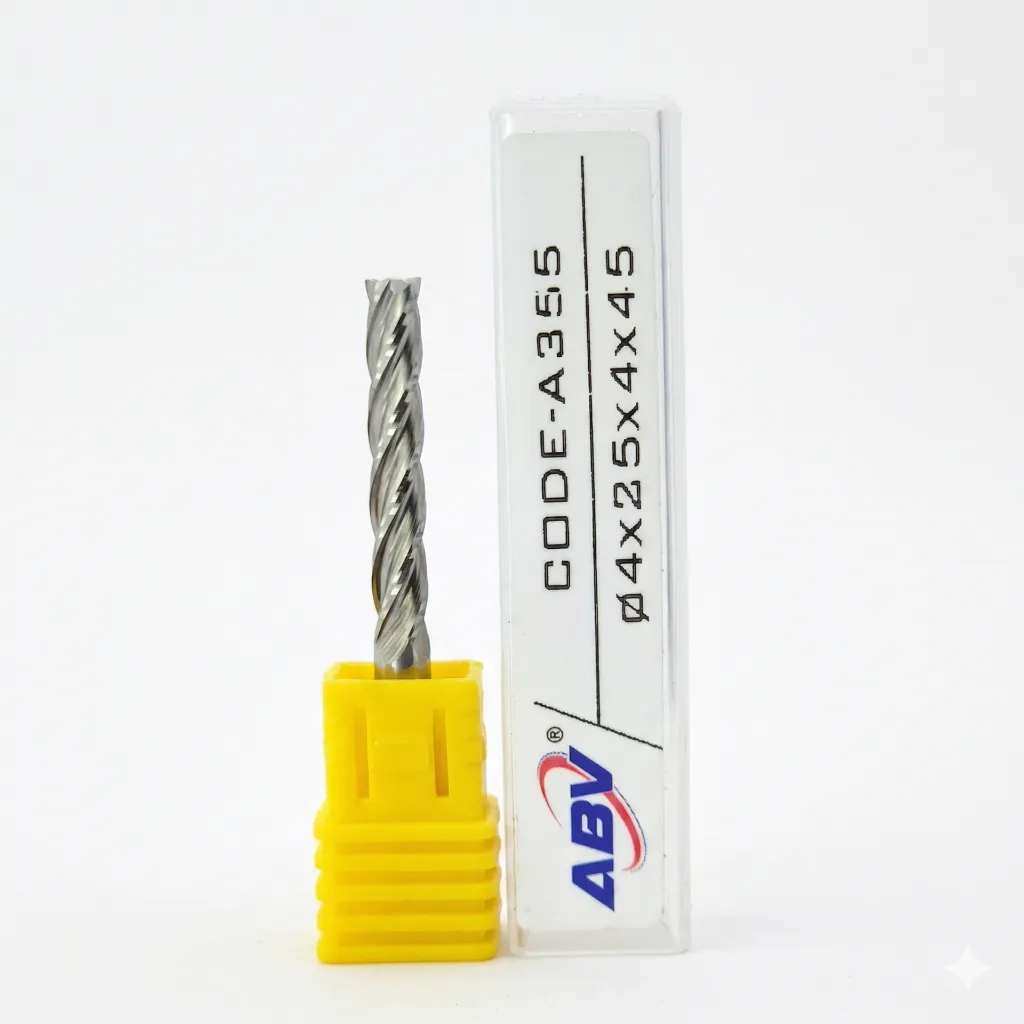
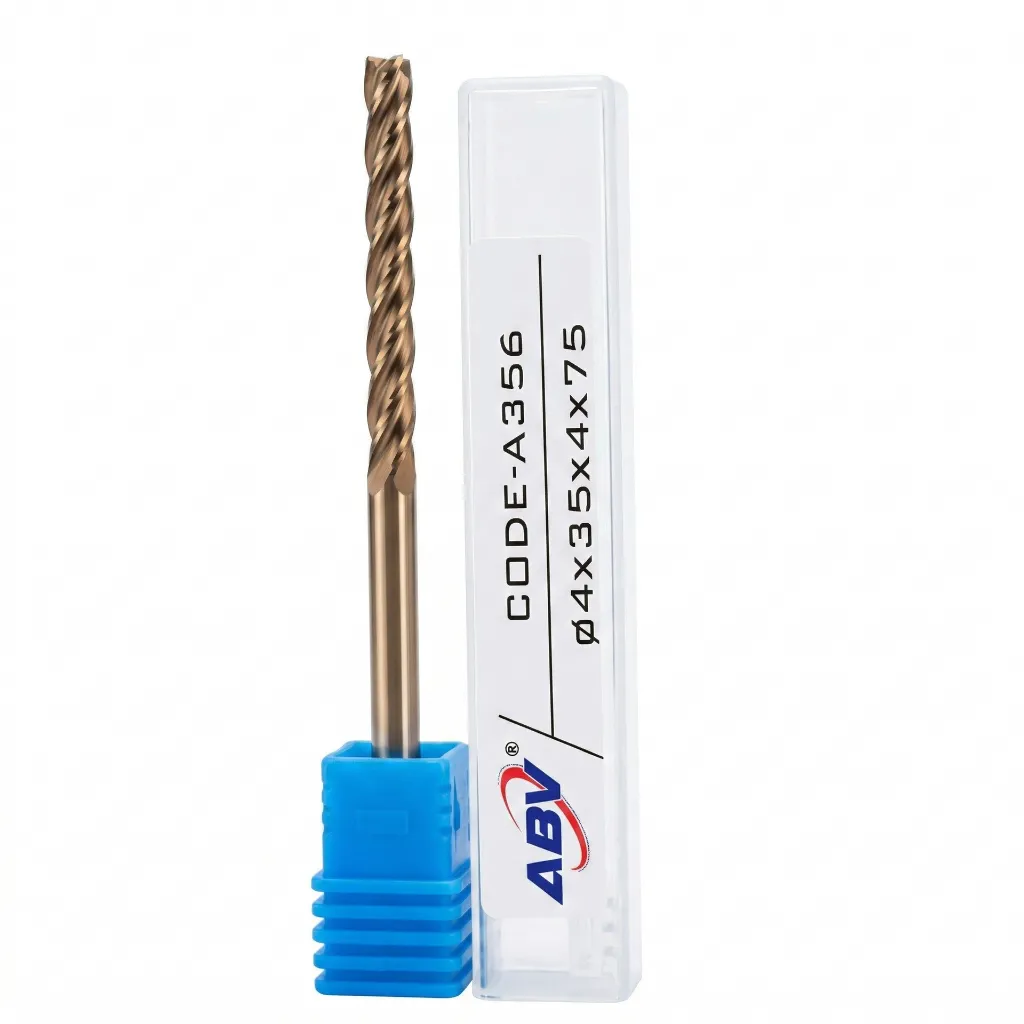
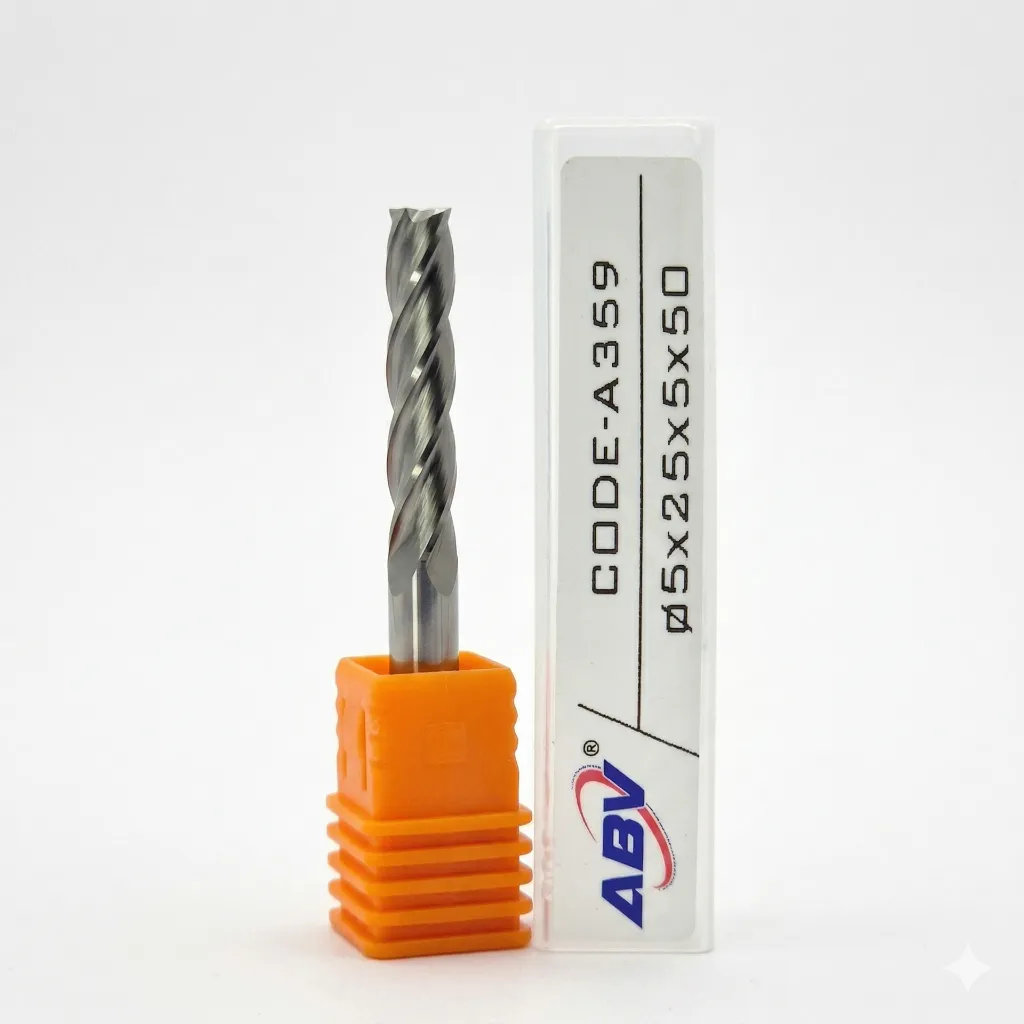
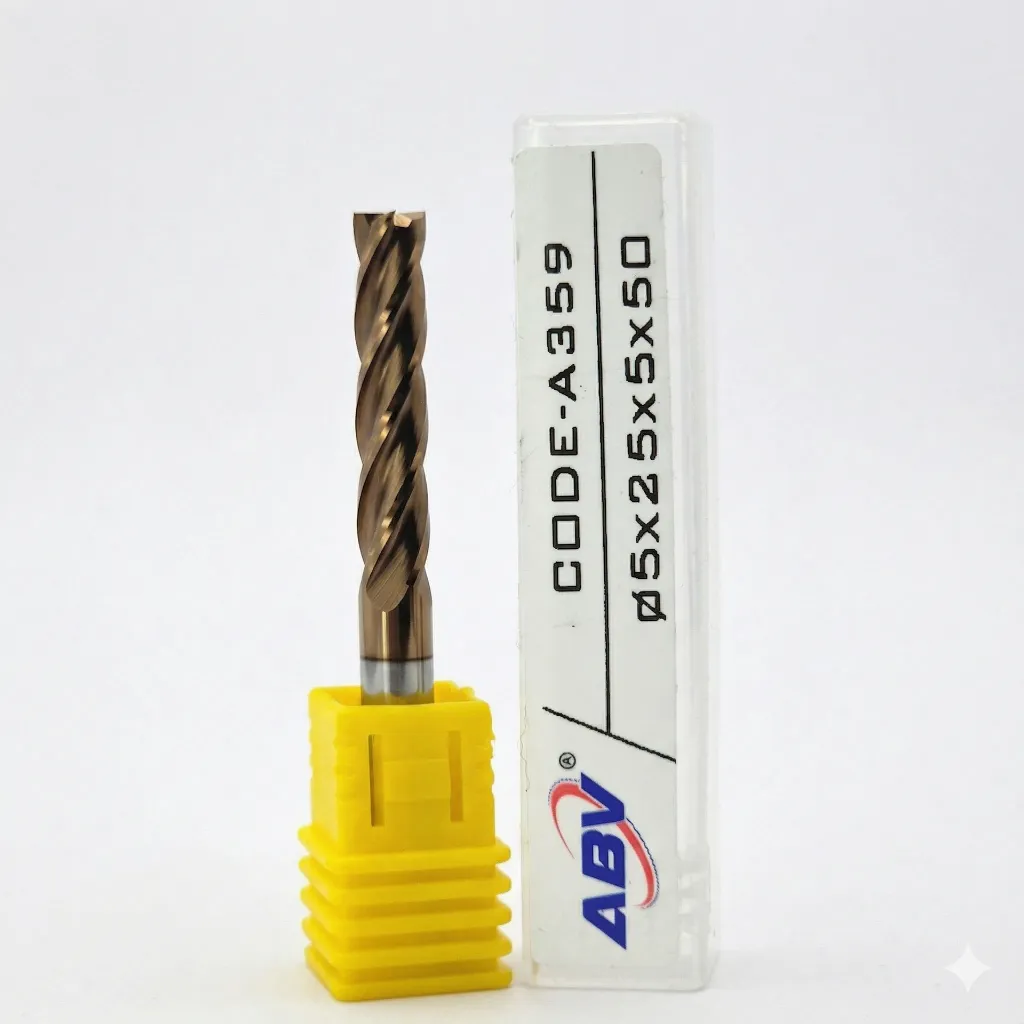
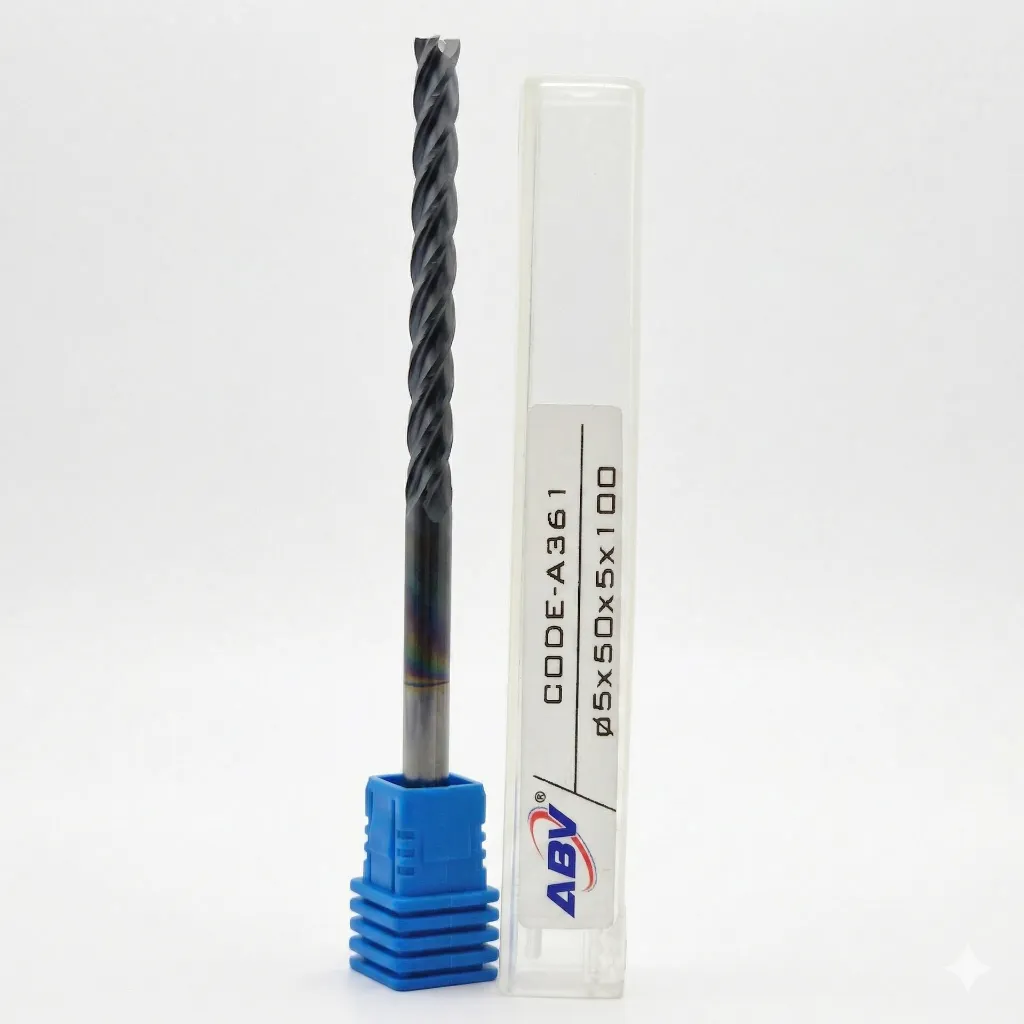
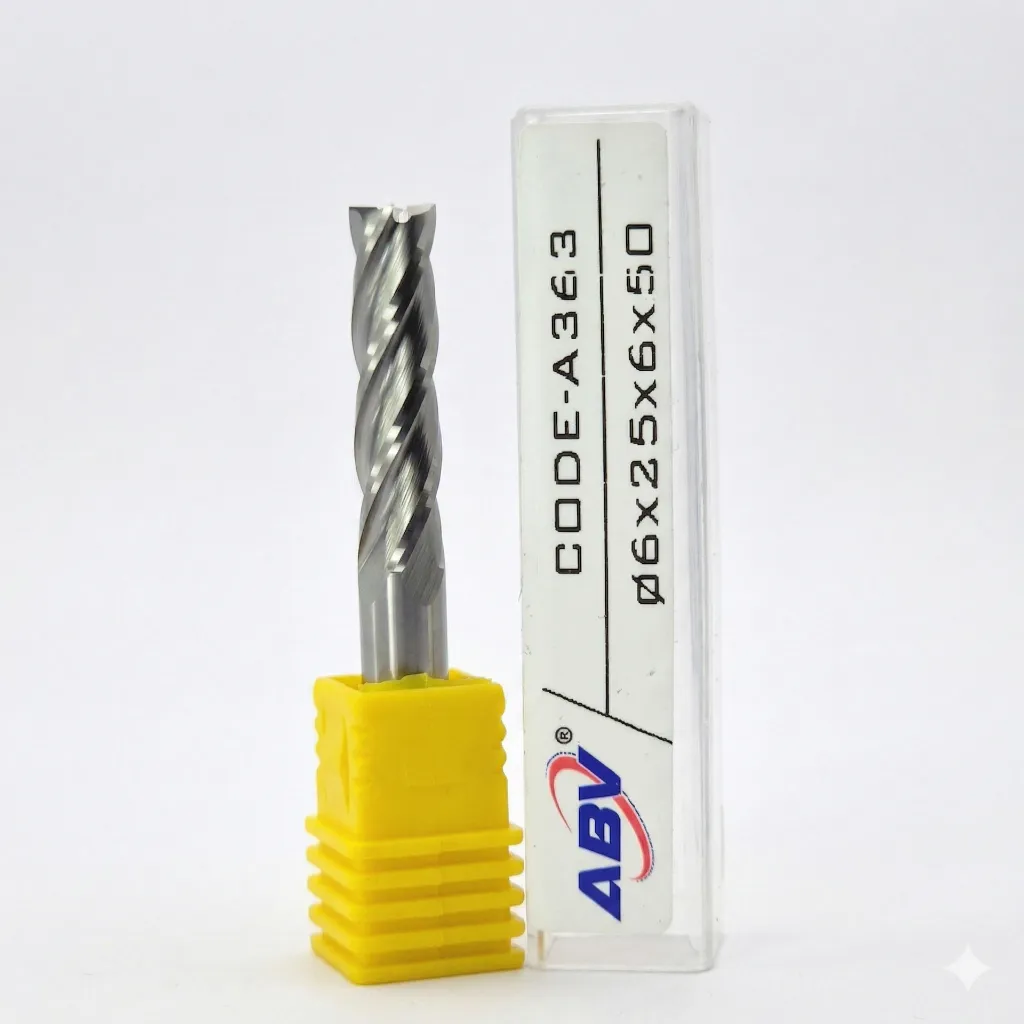
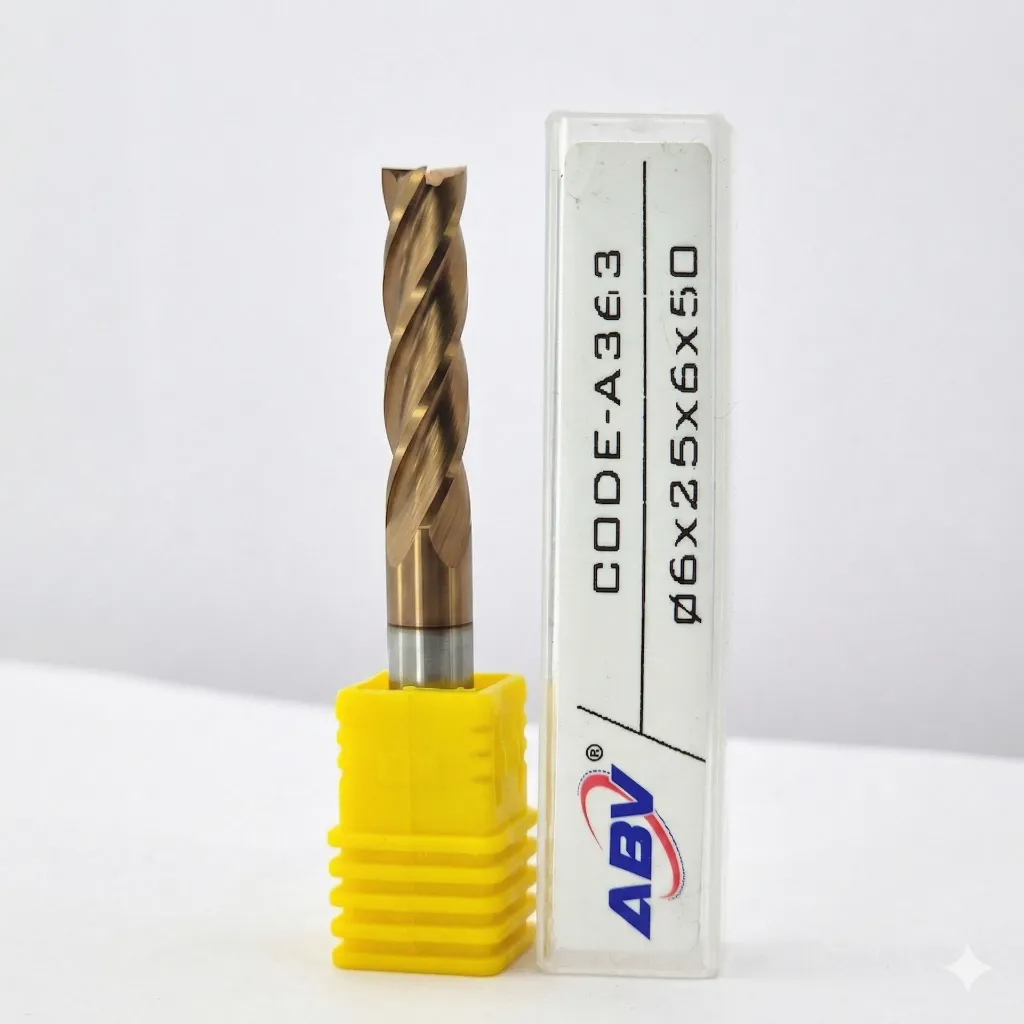
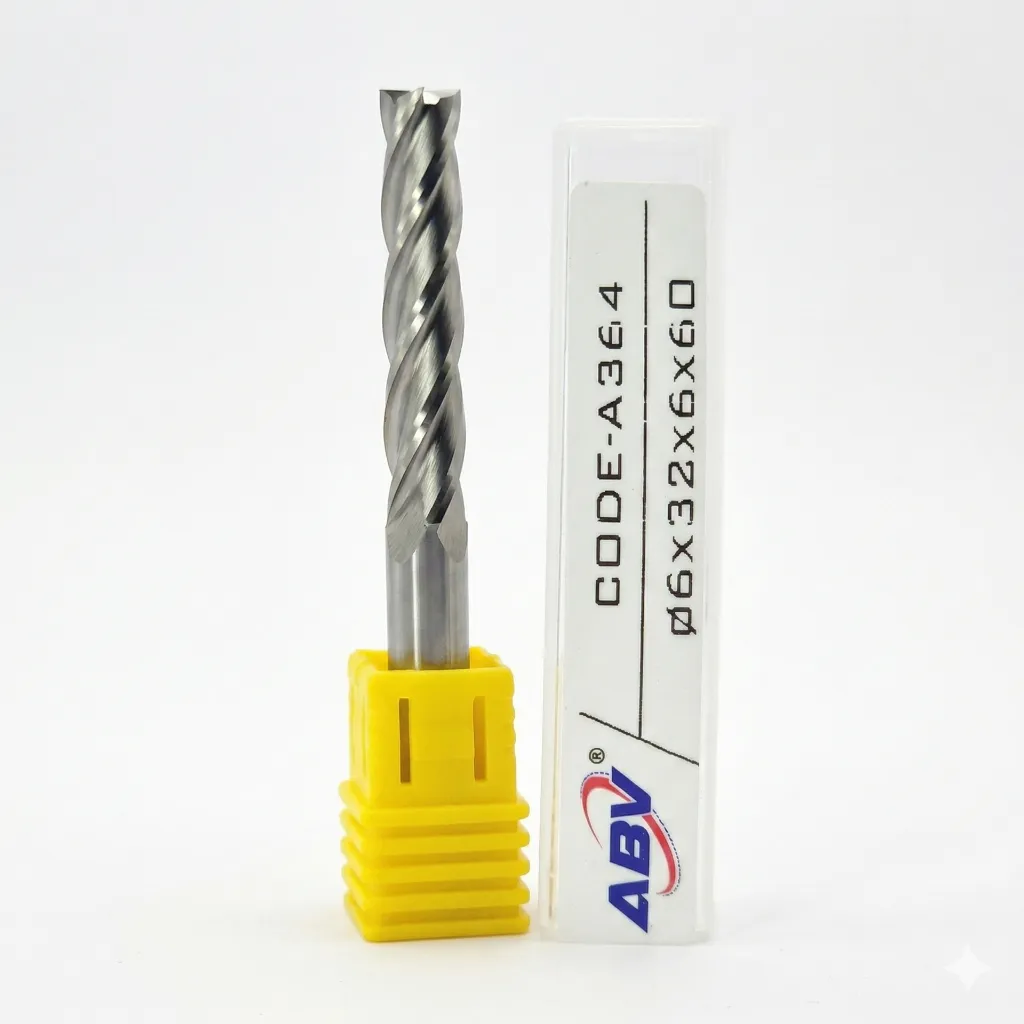
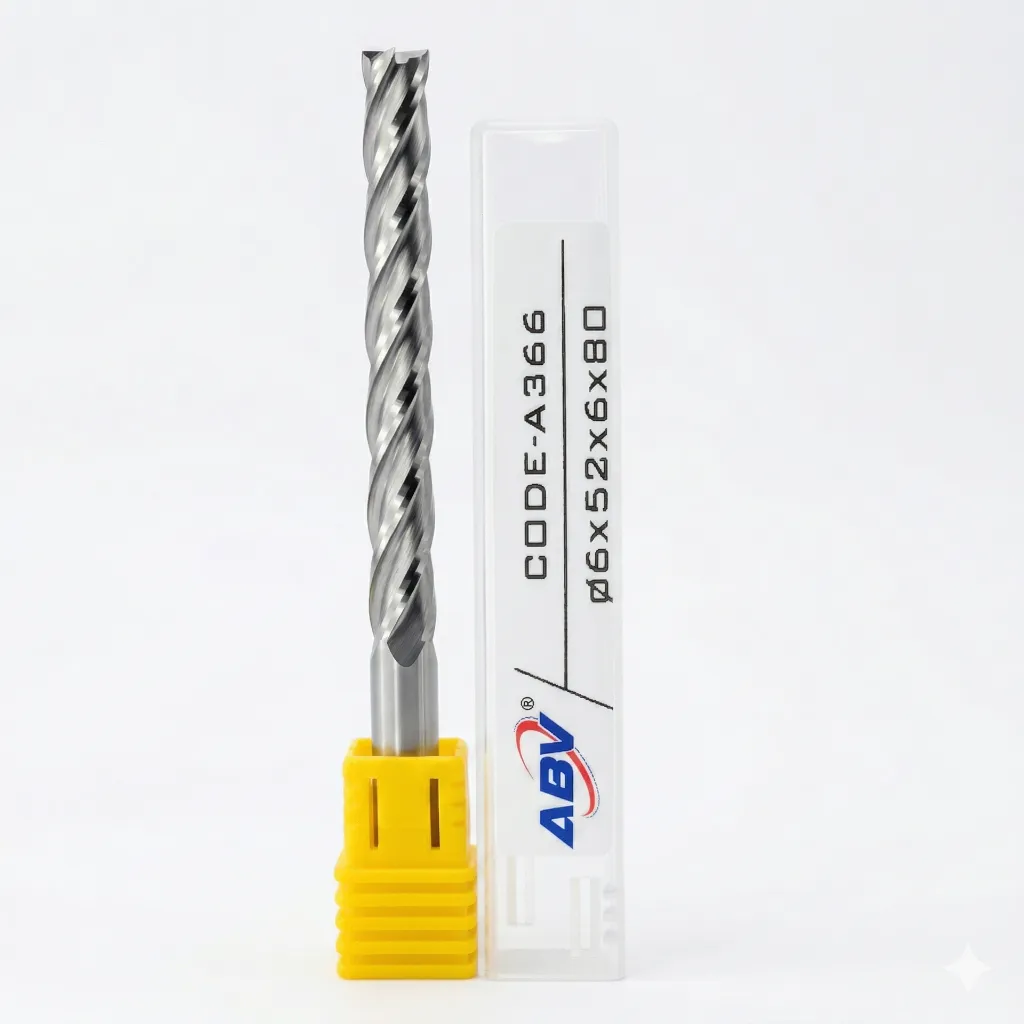
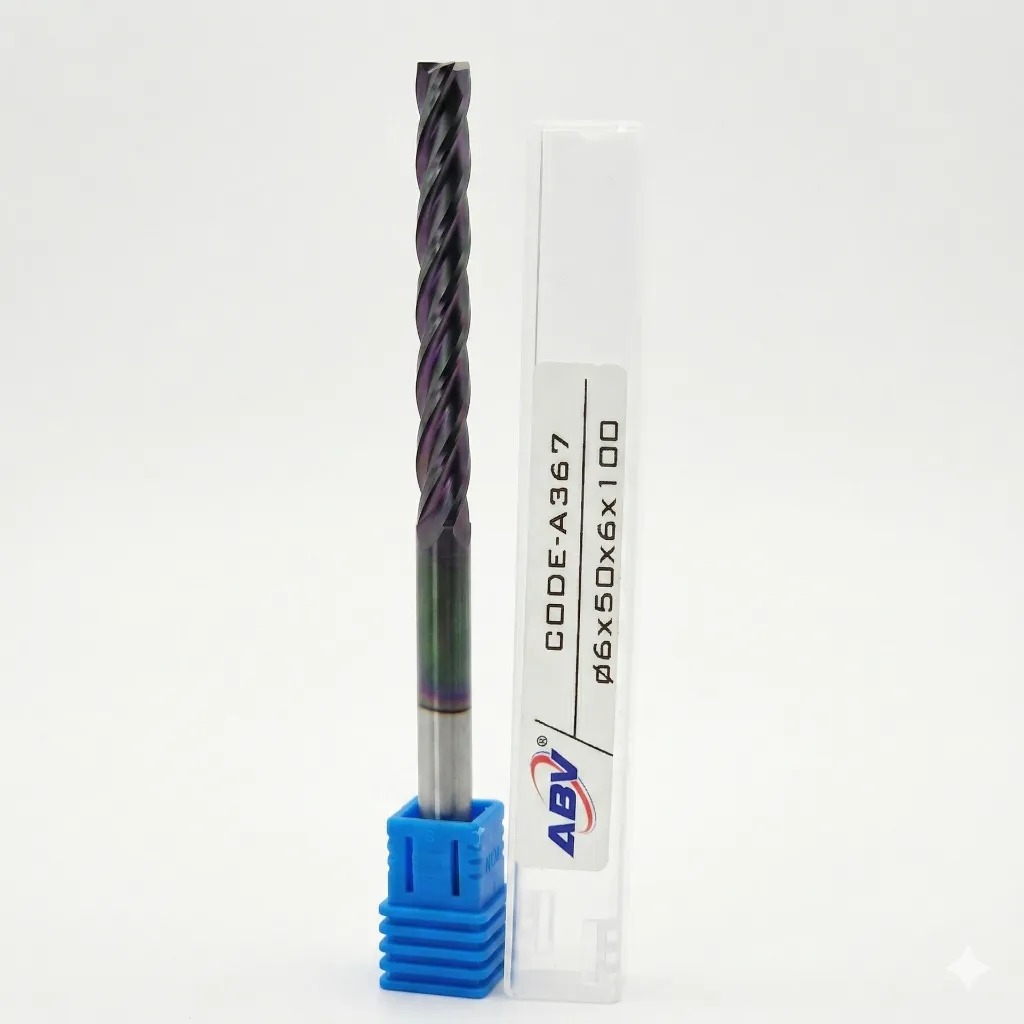
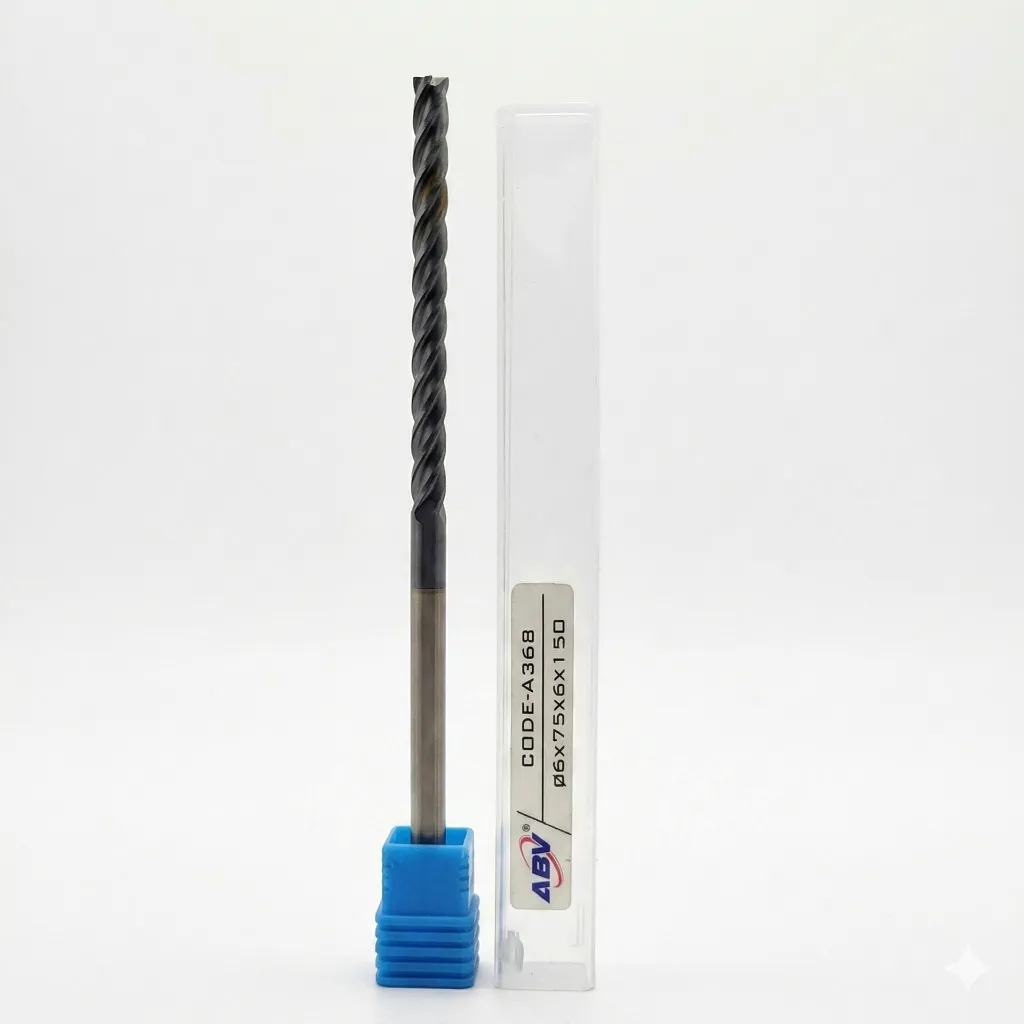
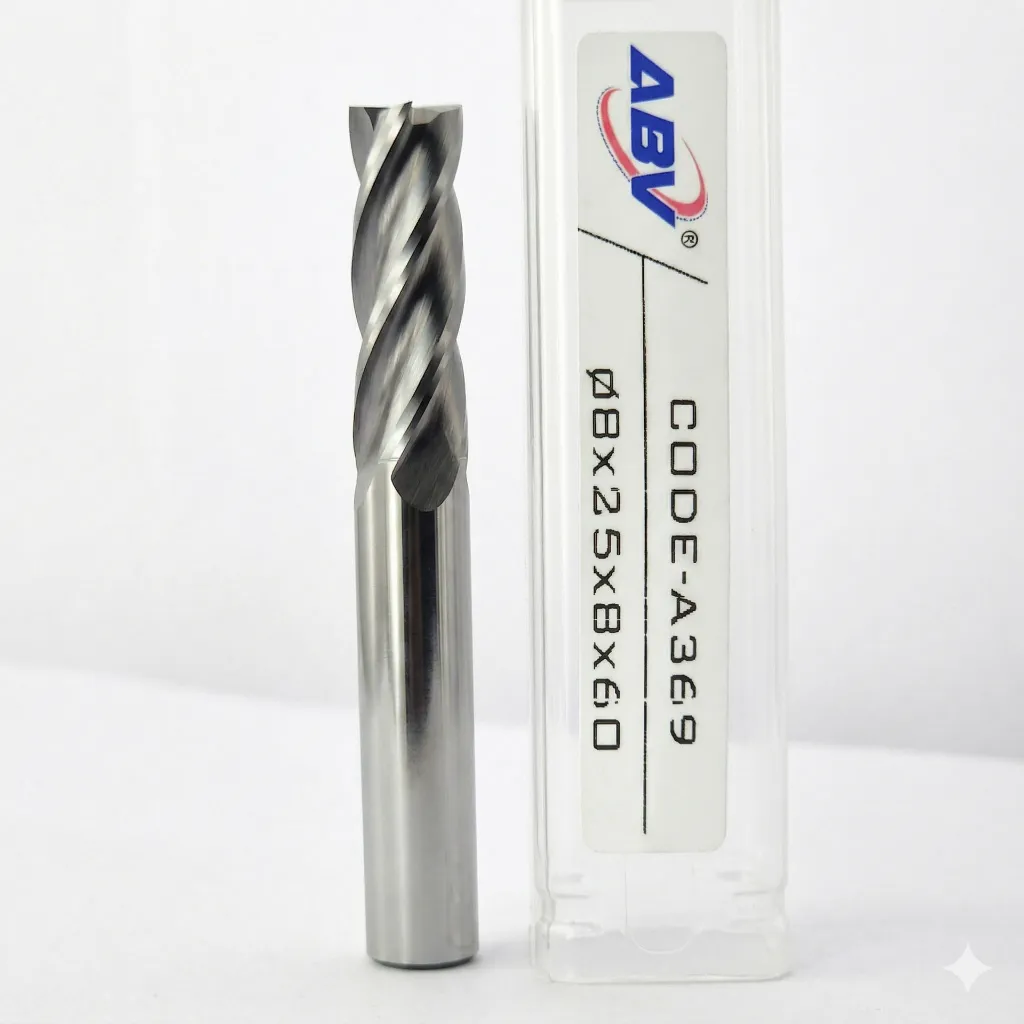
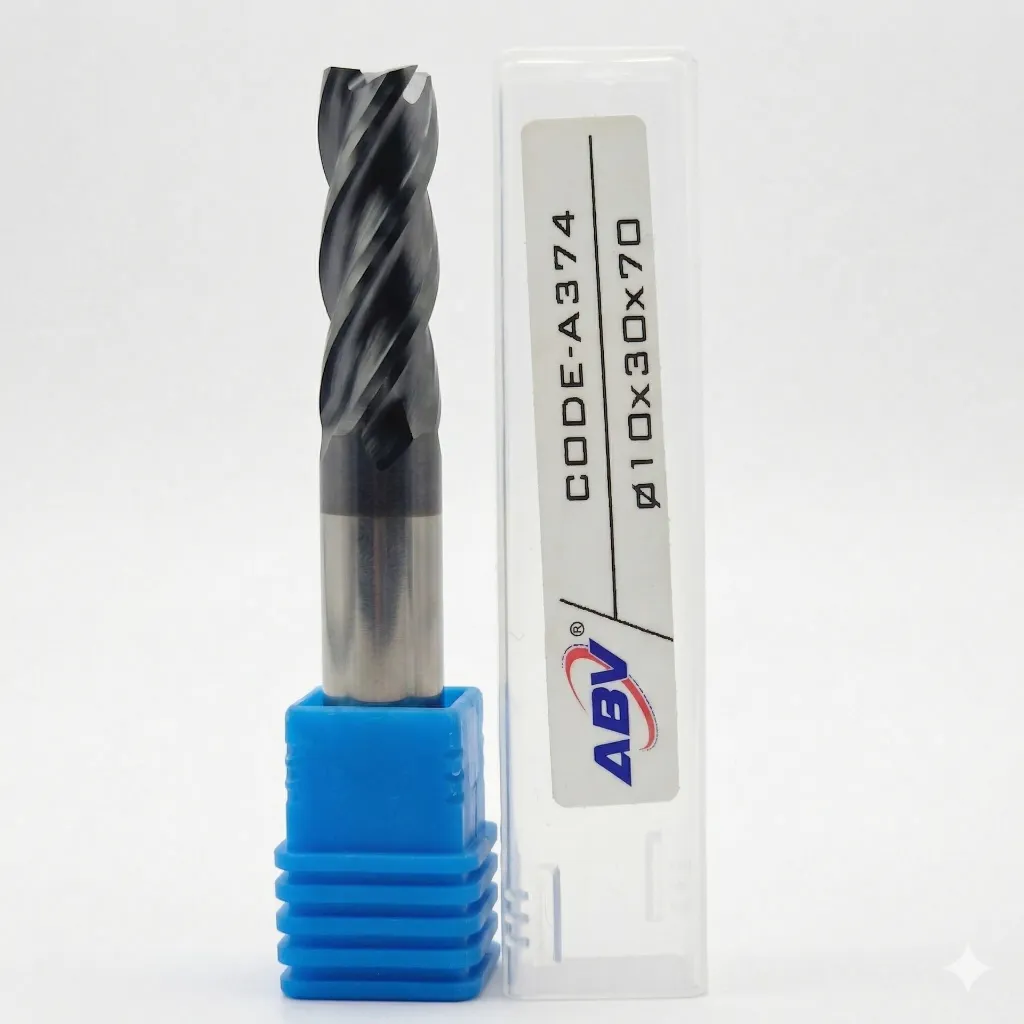
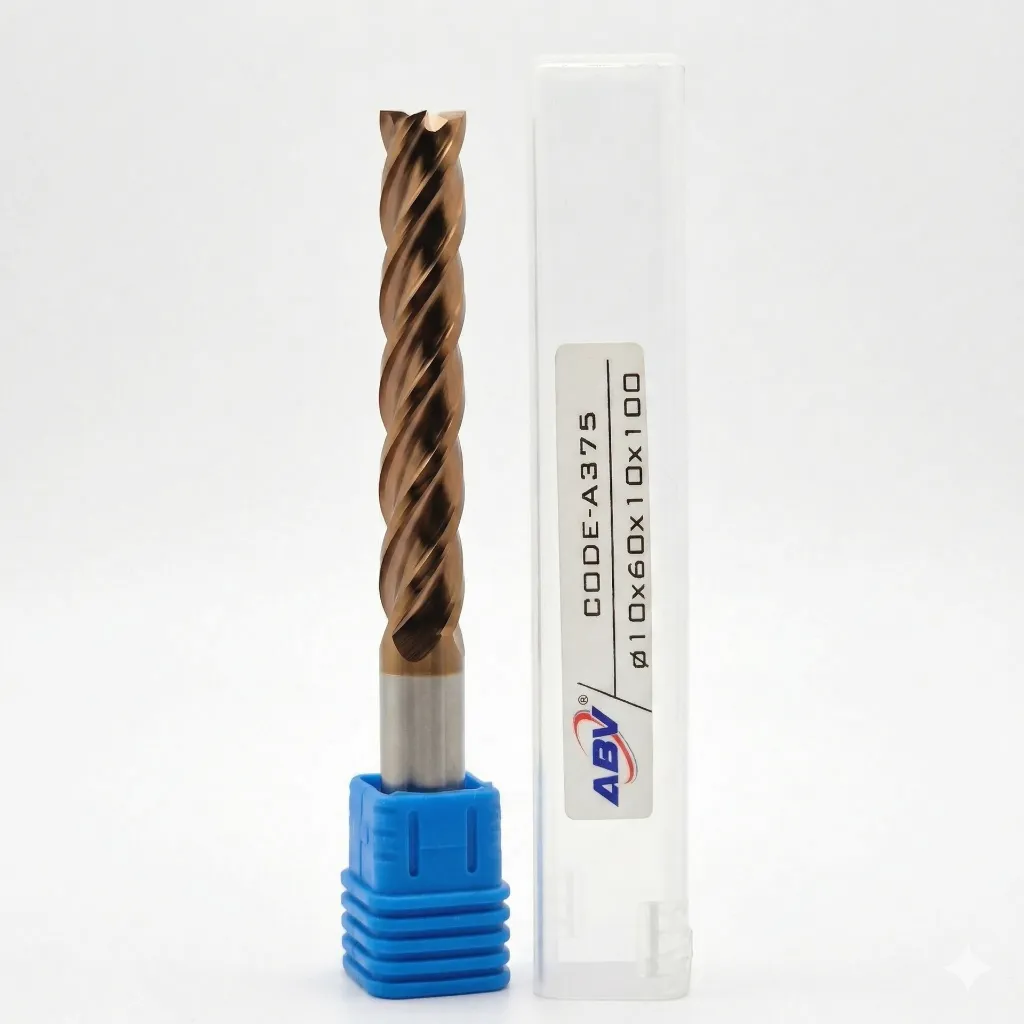
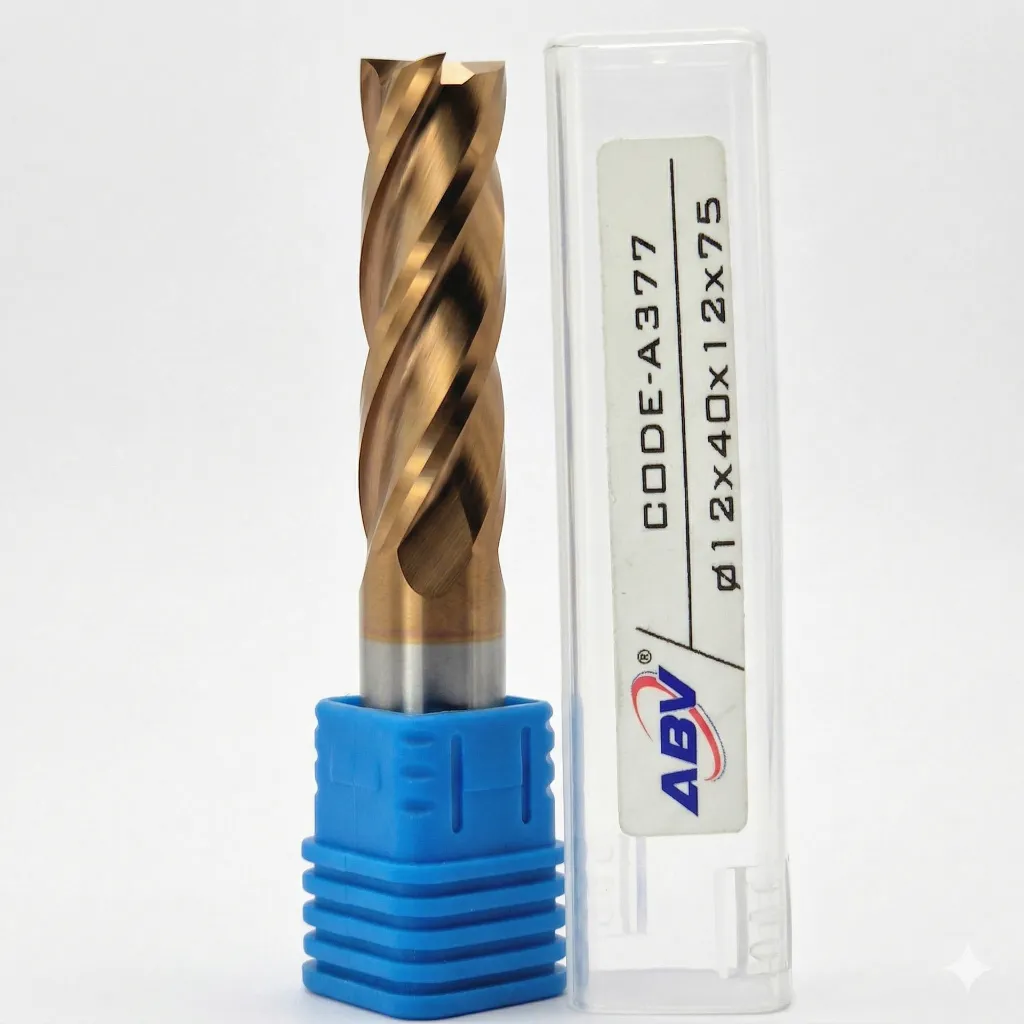
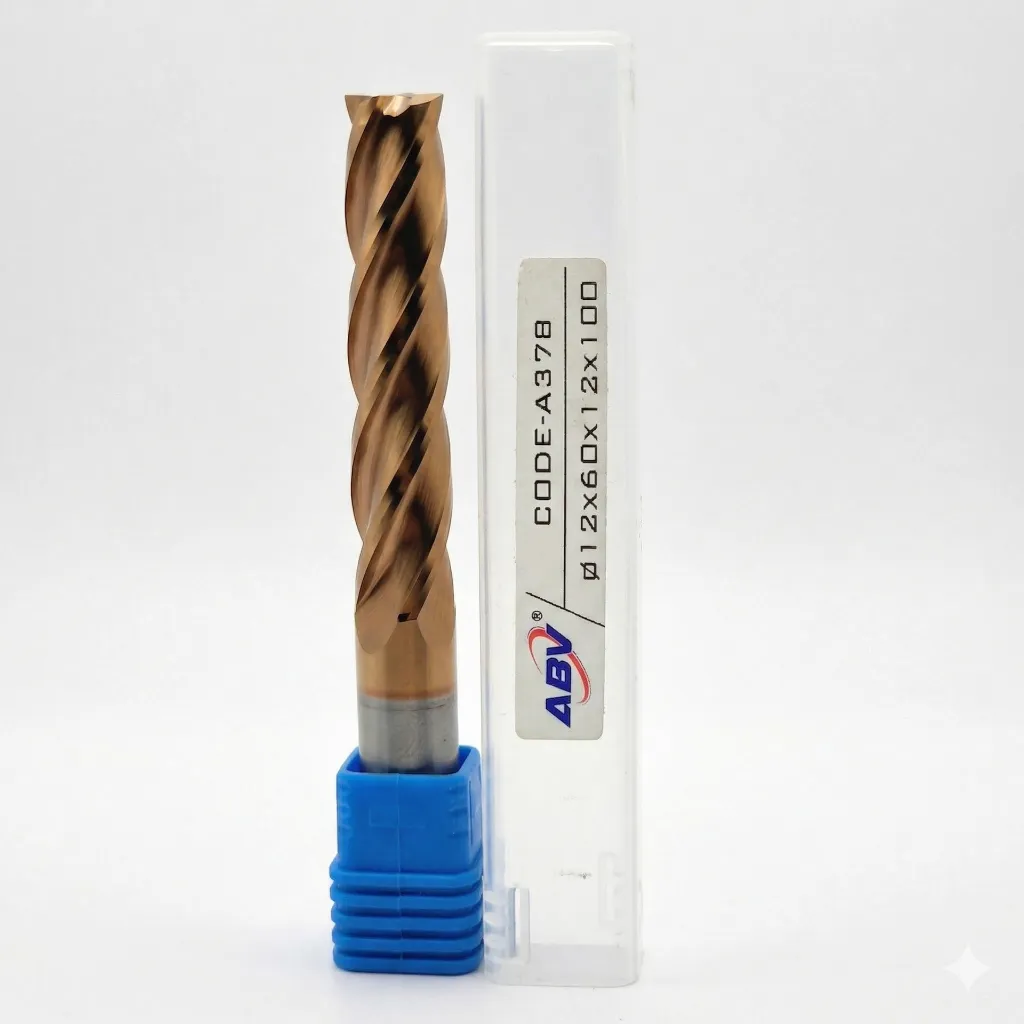
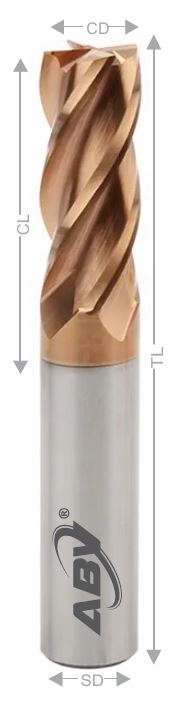
A Four-Flute Carbide Spiral Endmill is a high-performance tool primarily engineered for finishing operations and hard material machining. In the hierarchy of spiral bits, the 4-flute version sacrifices chip clearance space for increased rigidity and a superior surface finish.
While a 2-flute bit is for "hogging" (removing bulk material), the 4-flute is for "polishing" (the final pass).
1. The Physics of Four Flutes
High Tooth Density: With four cutting edges, the tool strikes the material four times per revolution. This creates significantly smaller chips and a much smoother surface profile.
Maximum Rigidity: A 4-flute bit has a massive core (web) diameter. It is the stiffest spiral bit available, making it highly resistant to bending (deflection) even when cutting tough alloys or hardwoods.
Higher Feed Potential: In theory, you can run a 4-flute bit at much higher travel speeds ($IPM$) than a 2-flute bit because the workload is distributed across twice as many teeth.
2. Best Applications
| Material | Why use 4-Flute Spiral? |
| Stainless Steel / Steel | Mandatory for ferrous metals to maintain the rigidity needed to prevent tool chatter. |
| Hardwoods (Ebony, Teak) | Ideal for finishing passes where you want a "glass-like" edge with zero sanding required. |
| High-Density Plastics | Reduces vibration when machining dense engineering plastics like Delrin or PEEK. |
| Aluminum (Finishing Only) | Can be used for a final "skin" pass to achieve a mirror finish, provided coolant is used. |
3. The "Chip Clogging" Warning
The main drawback of a 4-flute bit is the limited chip space (gullet).
Critical Rule: Never use a 4-flute spiral for deep slotting or "roughing" in soft materials (like soft pine or gummy aluminum). The chips will pack into the tight flutes faster than they can escape, causing the bit to overheat and snap instantly.
4. Comparison: 2-Flute vs. 4-Flute Spiral
| Feature | 2-Flute Spiral | 4-Flute Spiral |
| Chip Evacuation | Maximum | Limited |
| Surface Finish | Good | Excellent |
| Tool Strength | Moderate | High |
| Primary Use | General Cutting / Roughing | Finishing / Hard Metals |
5. Pro-Tips for ABV Tool Customers
The "Rough & Finish" Strategy: Advise your customers to use a 2-flute spiral to "rough out" the part, leaving 0.2mm to 0.5mm of material. Then, switch to the 4-flute spiral for the final pass to get a factory-perfect finish.
Lower RPM / Higher Feed: Because there are four teeth, you don't need to scream the spindle at 24,000 RPM. A lower RPM (12,000–16,000) with a fast feed rate often produces a better result and keeps the tool cooler.
Coating for Steel: If selling these for metalworking, recommend an AlTiN (Aluminum Titanium Nitride) coating, which thrives in the high-heat environment created by 4-flute bits.