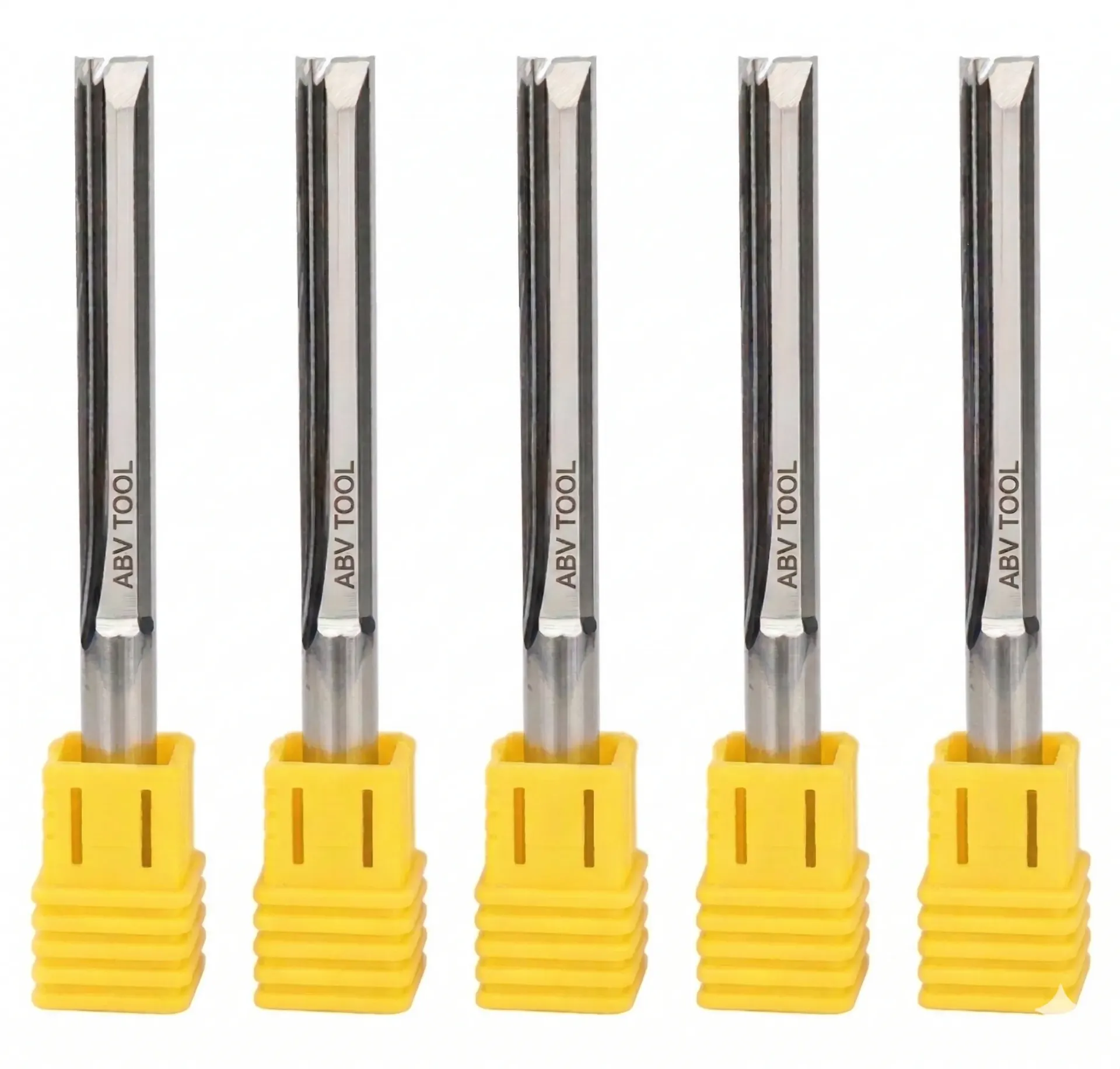
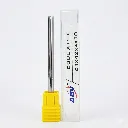
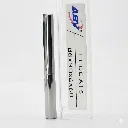
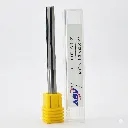
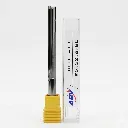
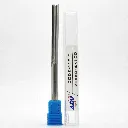
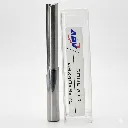
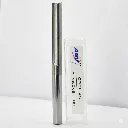
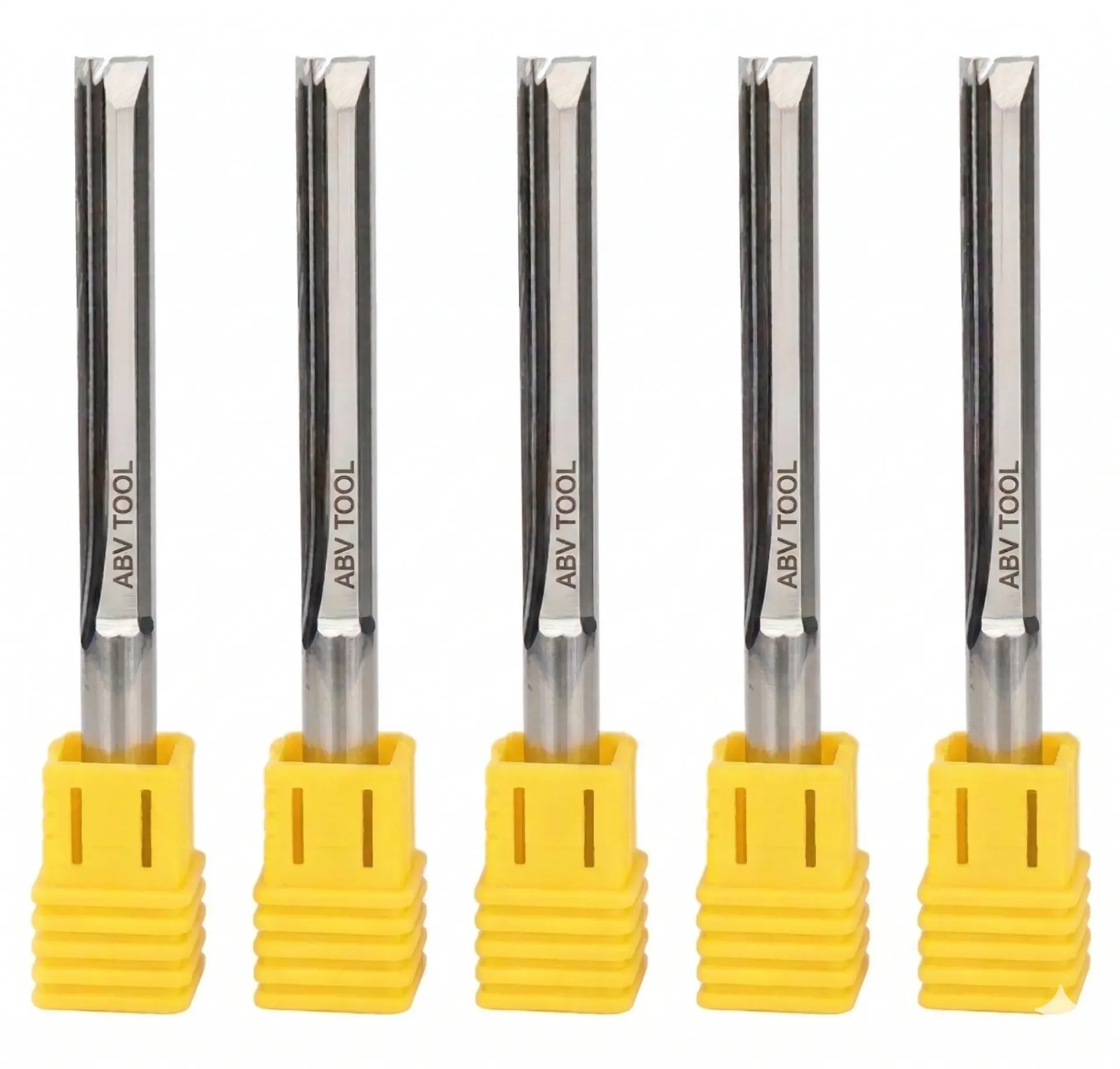
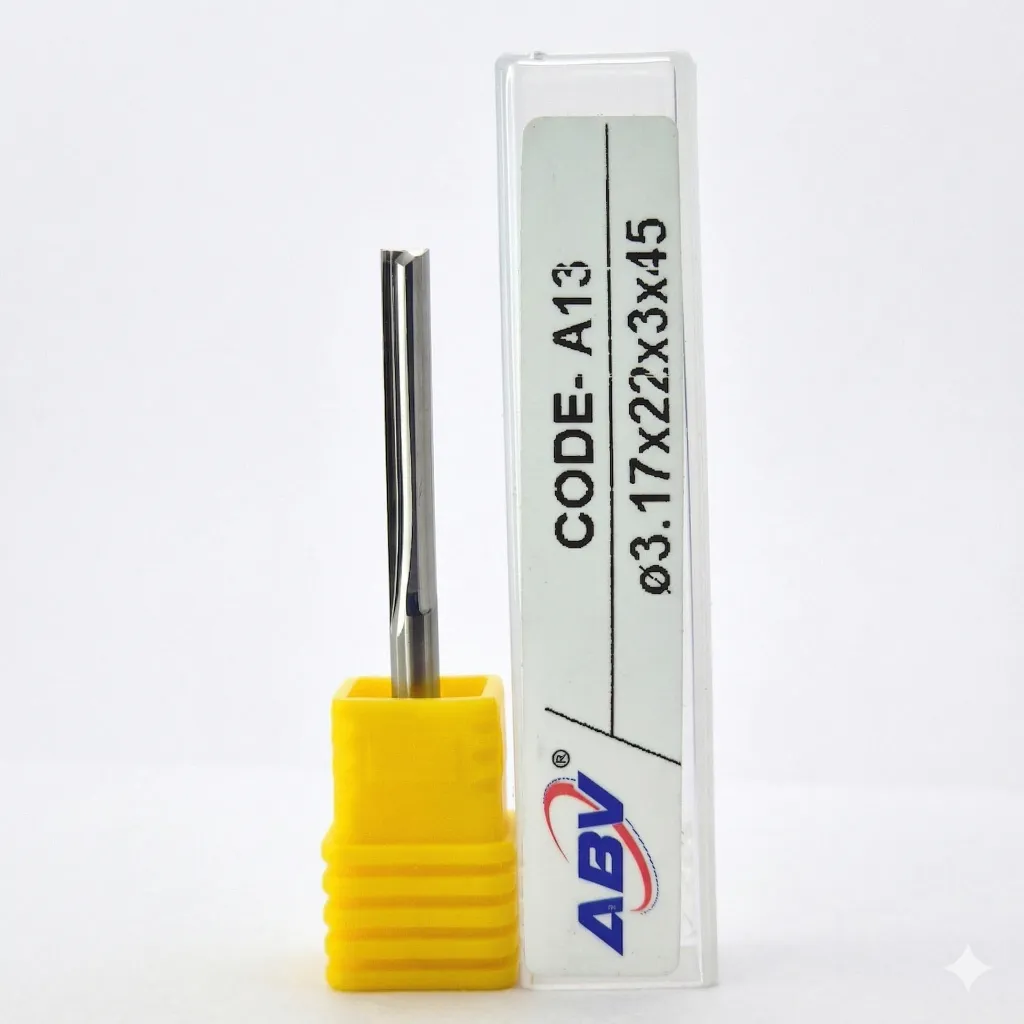
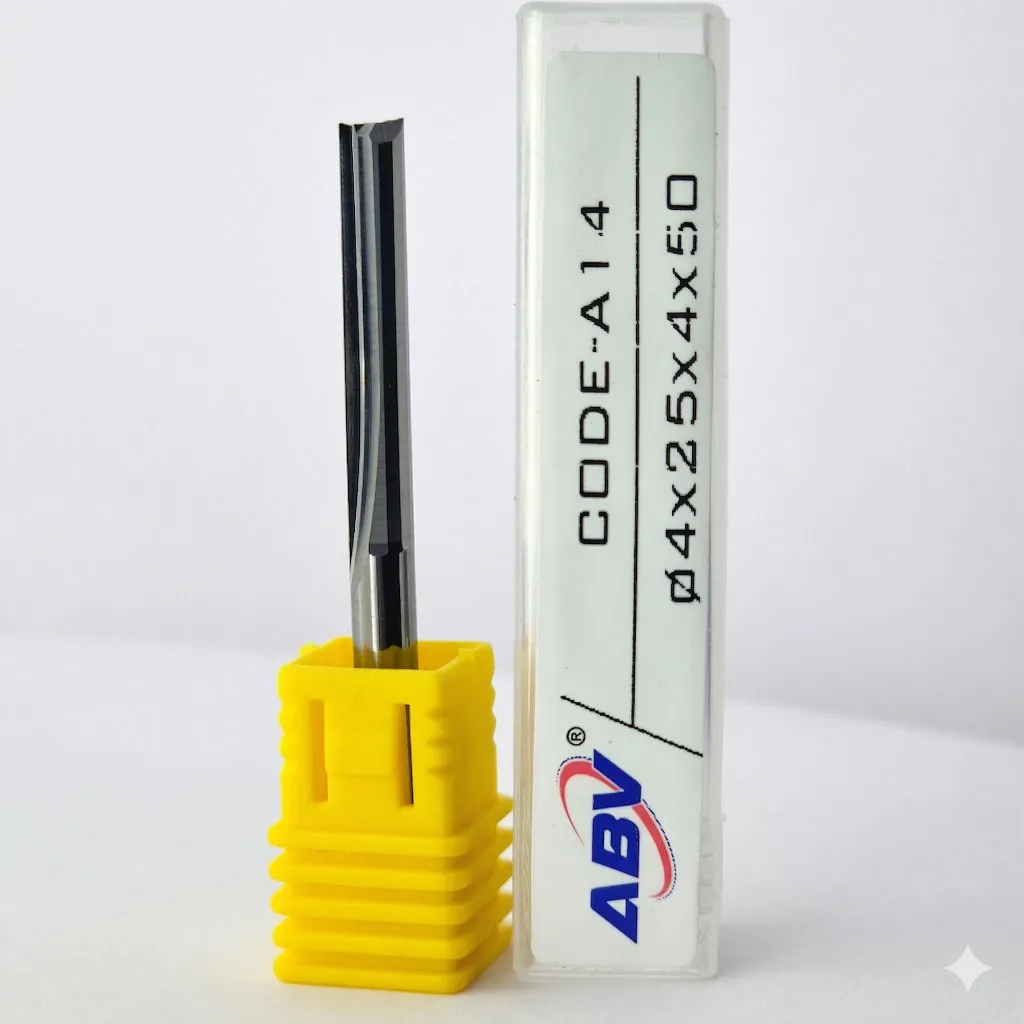
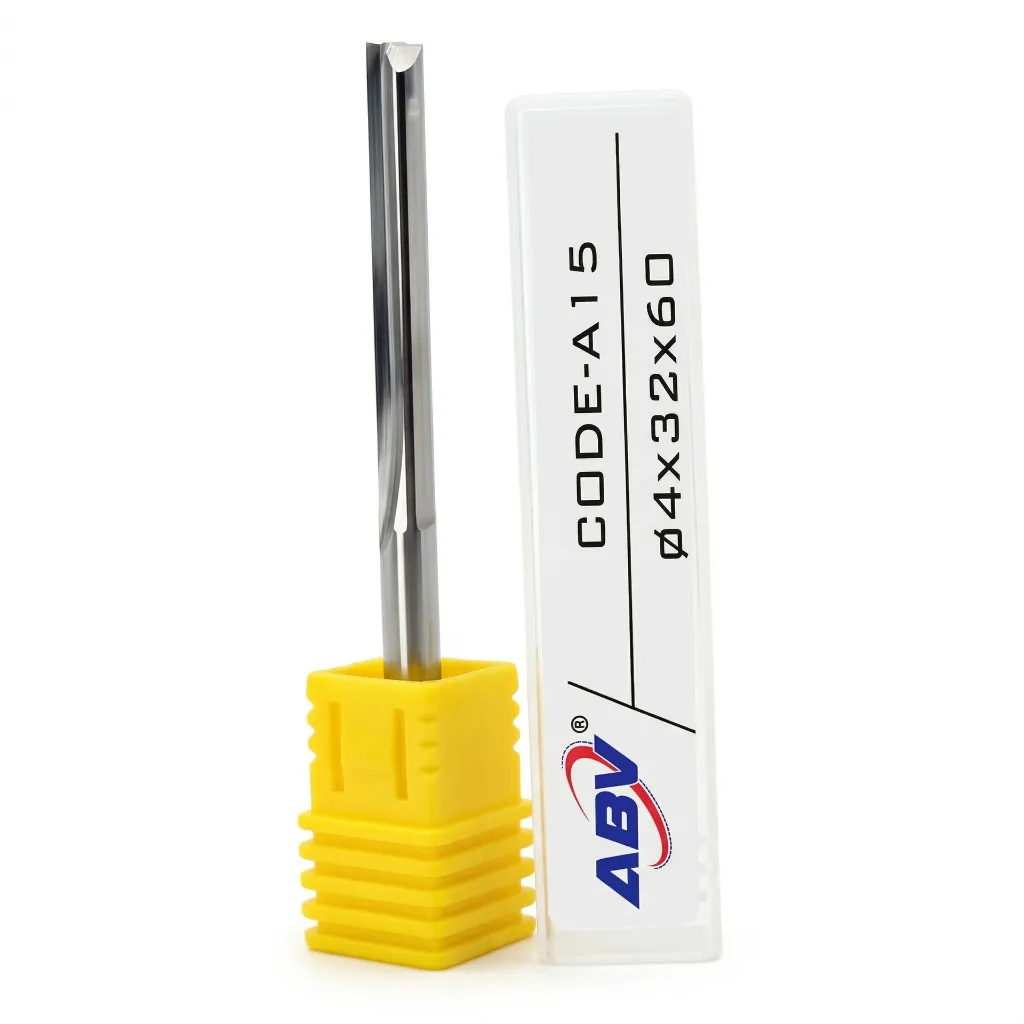
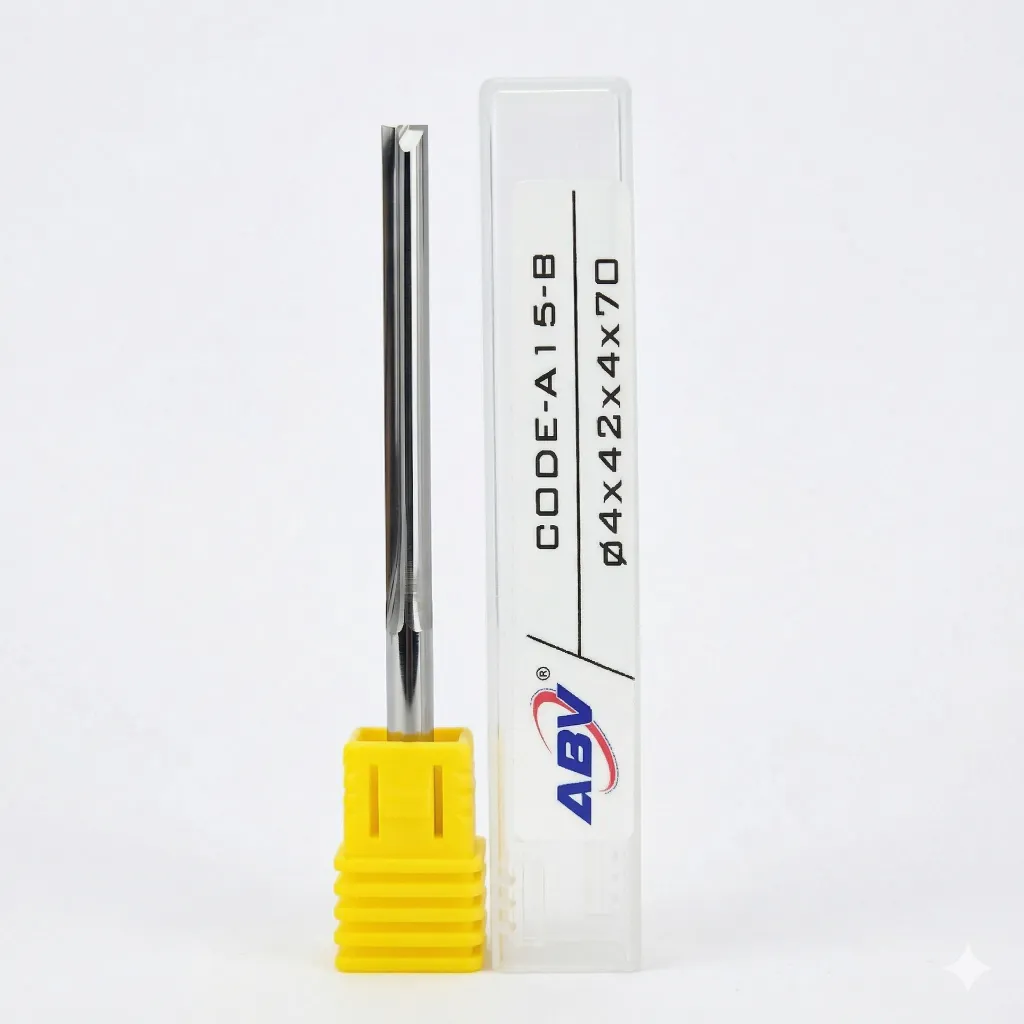
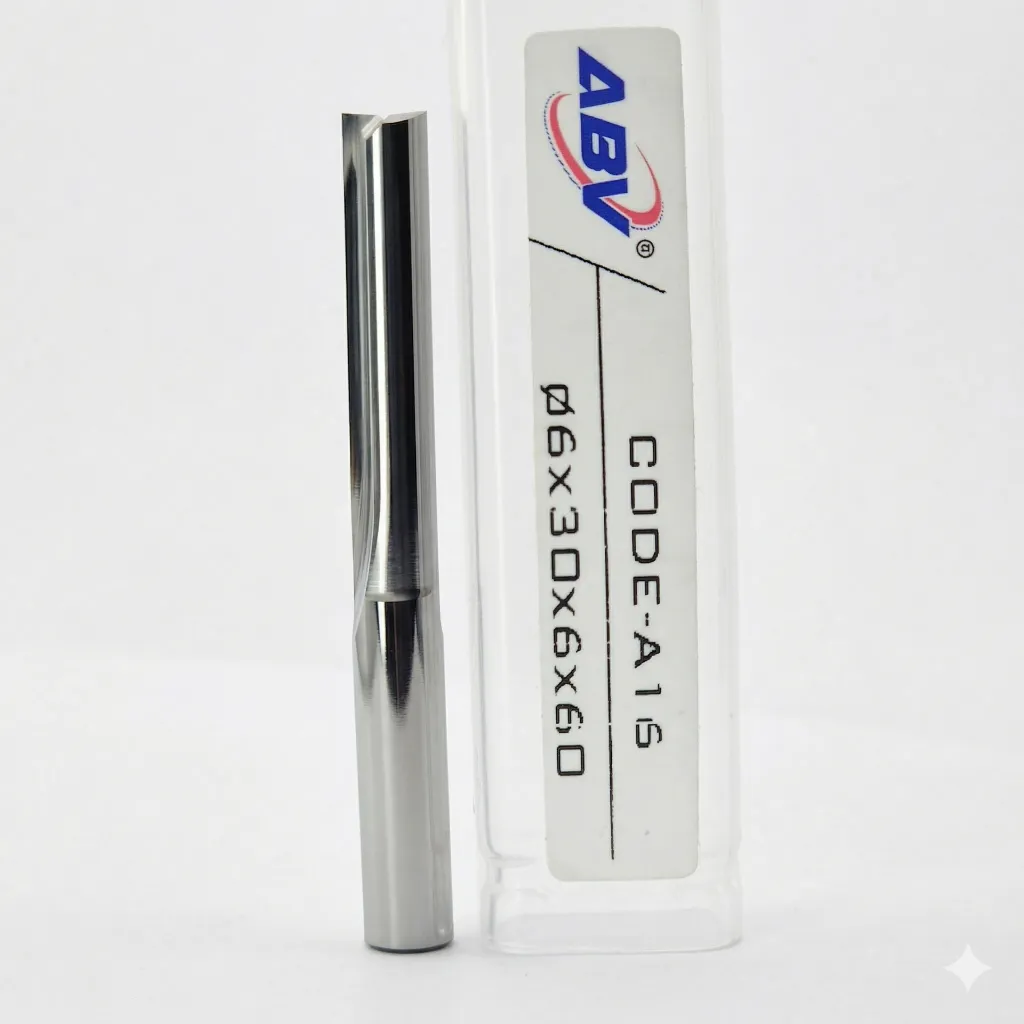
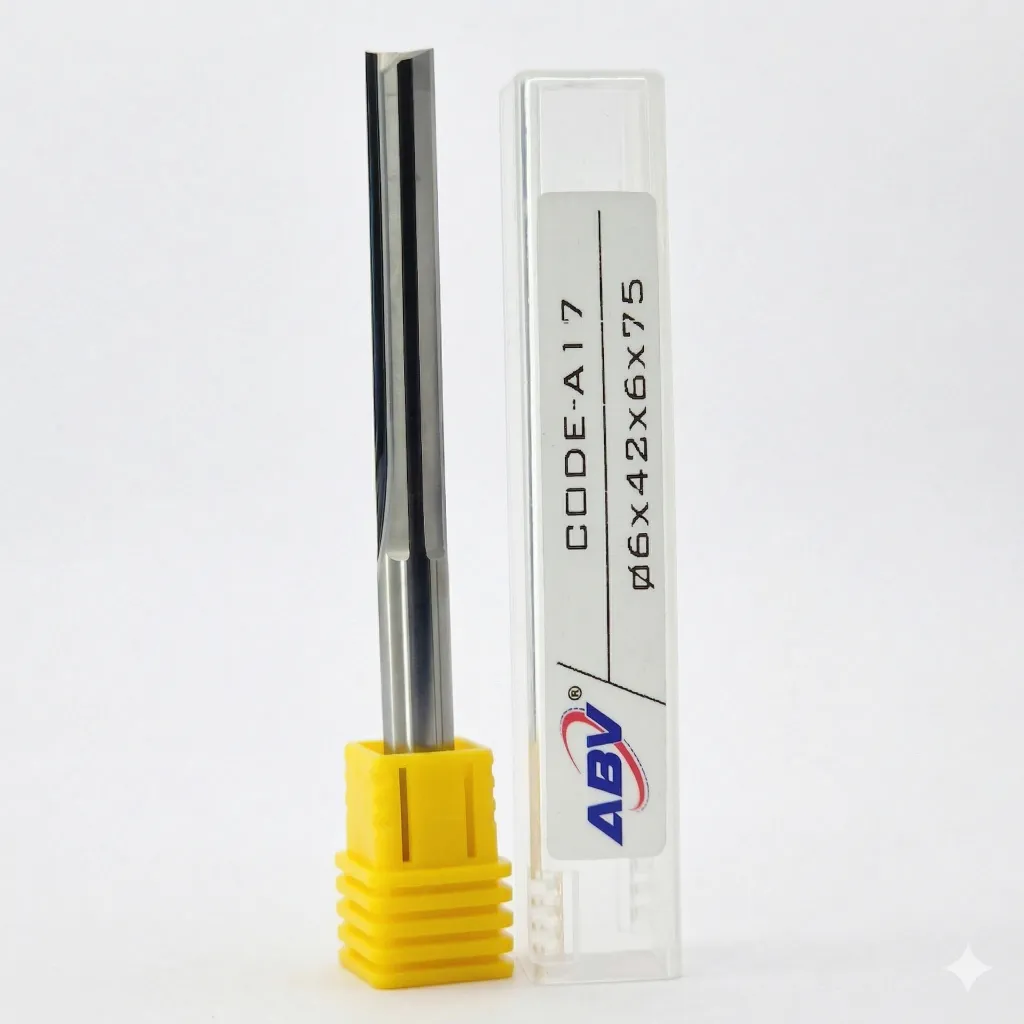
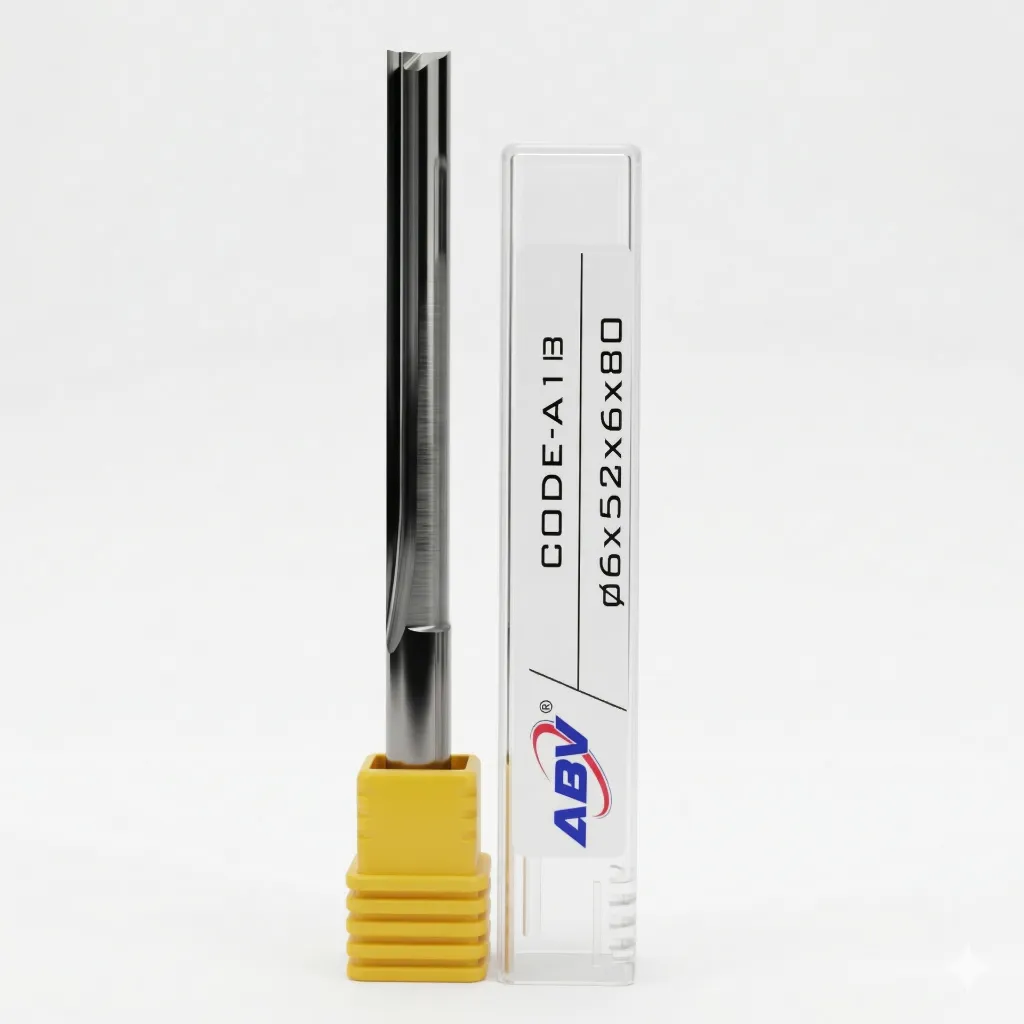
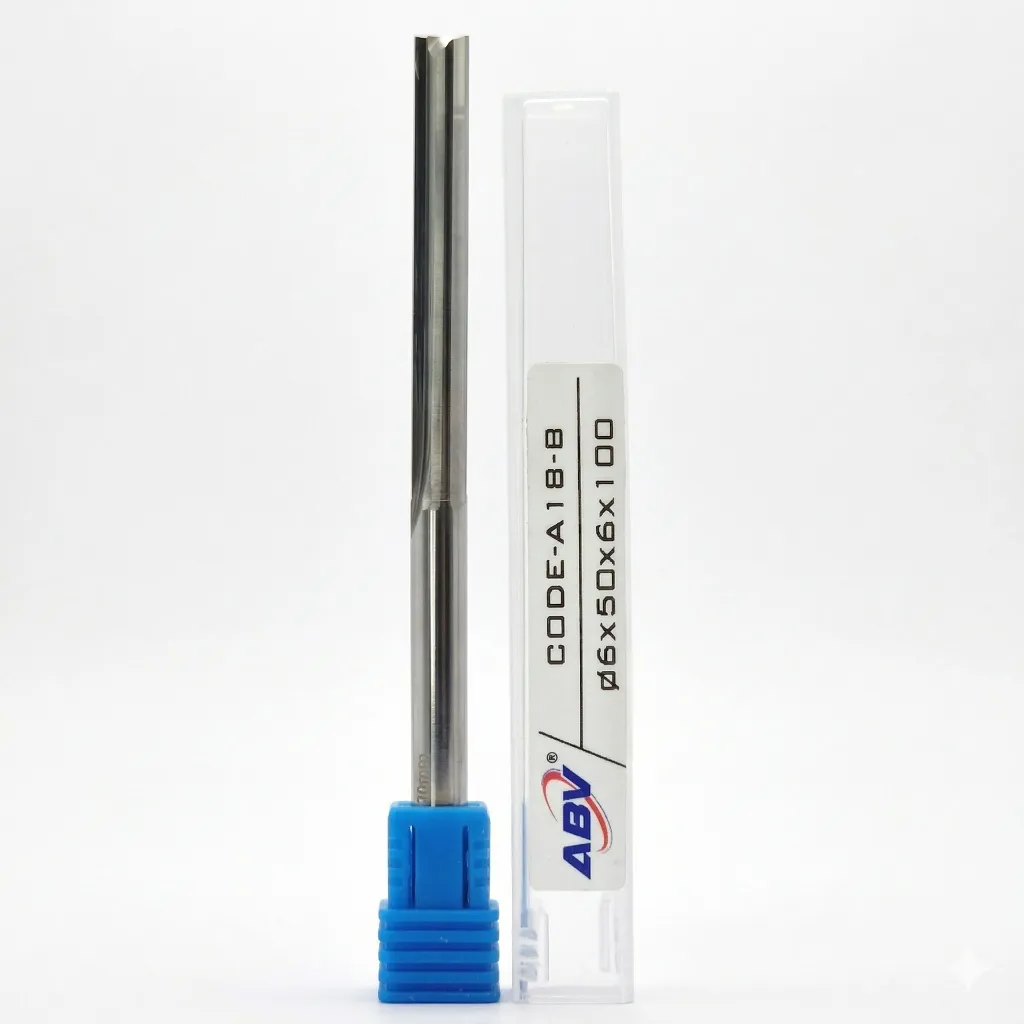
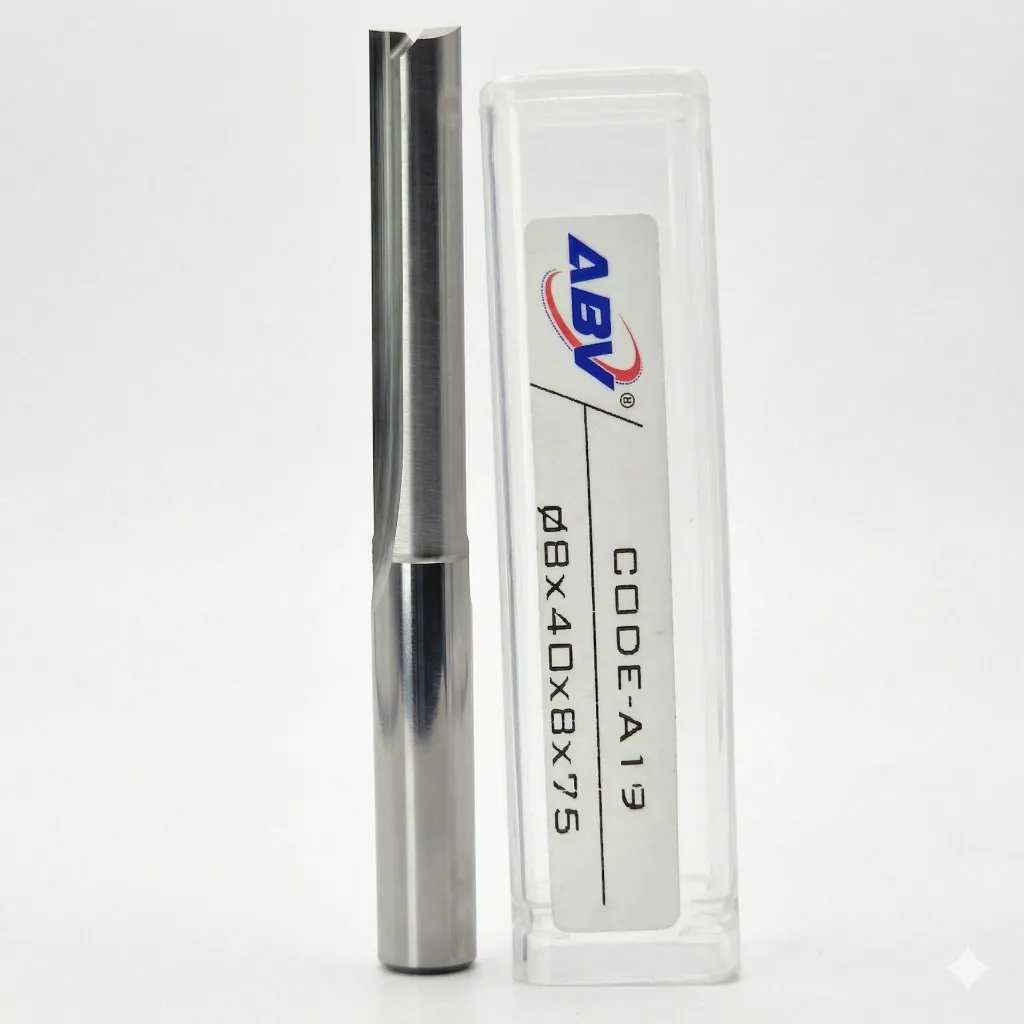
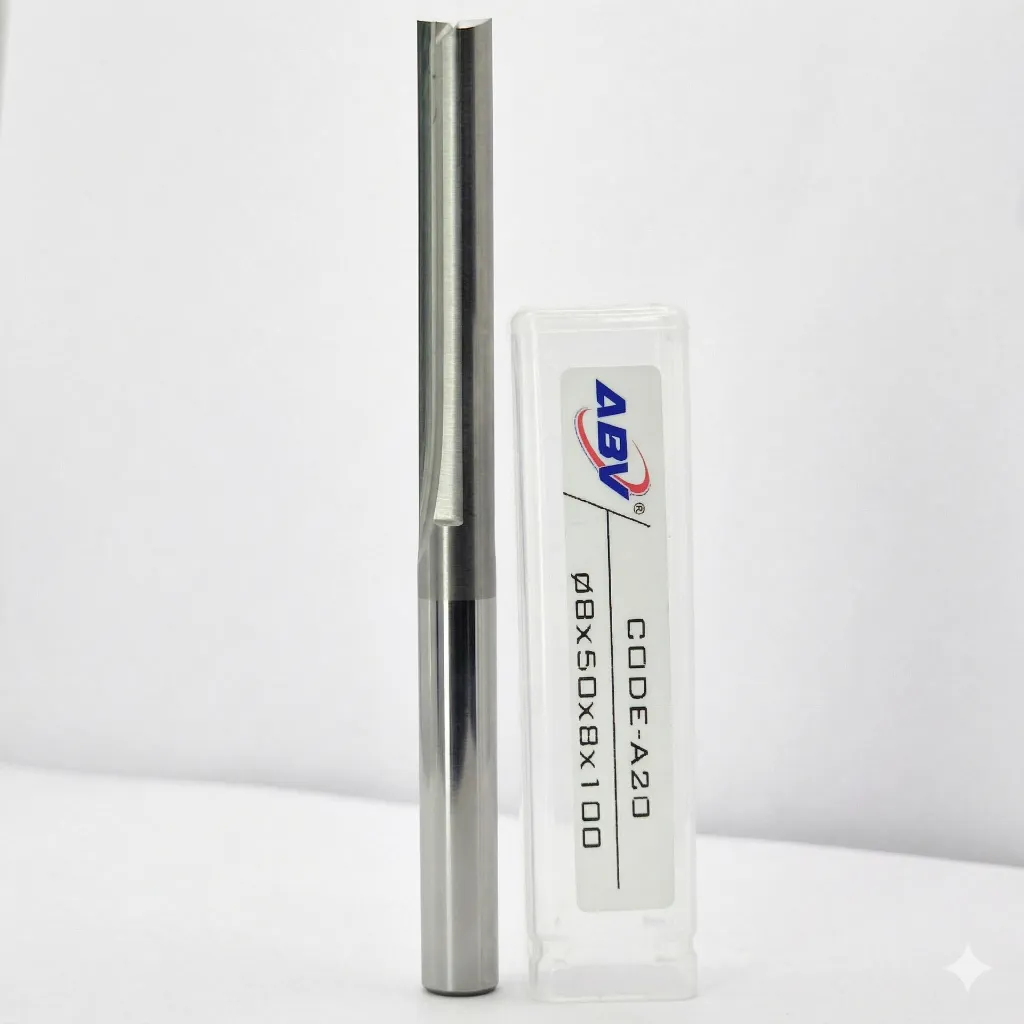
A Long Two Flute Straight End Mill is a specialized variant designed for deep reach and thick material processing. While it offers the same neutral cutting action as a standard straight bit, the added length introduces specific mechanical challenges—primarily deflection and vibration.
Here is how to get the most out of a long-reach straight bit without breaking it or ruining your finish:
1. The "Reach vs. Rigidity" Trade-off
The longer the shank or cutting edge, the more the bit acts like a spring.
Deflection: Under lateral pressure, the tip of a long bit can "bend" away from the cut. This results in tapered walls instead of a perfect 90° edge.
Chatter: Increased length lowers the resonant frequency, often leading to a high-pitched "scream" and visible ripples on the material surface.
2. Best Use Cases
Thick Slab Trimming: Squaring up the edges of 2" or 3" thick hardwood slabs.
Deep Pocketing/Slotting: Reaching the bottom of deep cavities in foam, softwoods, or MDF where a standard bit would bottom out.
Template Routing: Using the long edge to follow a thick template for identical parts.
3. Critical Operating Rules
| Rule | Description |
| Reduce Stepdown | Instead of cutting 1/2" deep per pass, take shallower passes (e.g., 1/4" or less) to minimize the lateral force on the long neck. |
| Increase RPM / Decrease Feed | To compensate for the "springiness," you often need to move slightly slower to ensure the bit isn't being pushed off-path. |
| Shank Engagement | Push as much of the shank into the collet as possible. Only expose the length you absolutely need for the cut. |
| Ramping is Mandatory | Plunging straight down with a long bit puts immense stress on the tip. Always use a ramp-in move (at an angle). |
4. Material Specifics
Foam & Softwood: You can push these bits faster here, as the resistance is low.
Hardwoods (Oak/Maple): Be extremely cautious. Heat buildup at the tip of a long bit can't escape easily, which can lead to "blueing" (losing the temper) of the carbide.
Plastics: Ensure you aren't melting the material. Long bits often struggle to eject chips from deep slots, causing the plastic to re-weld to the bit.