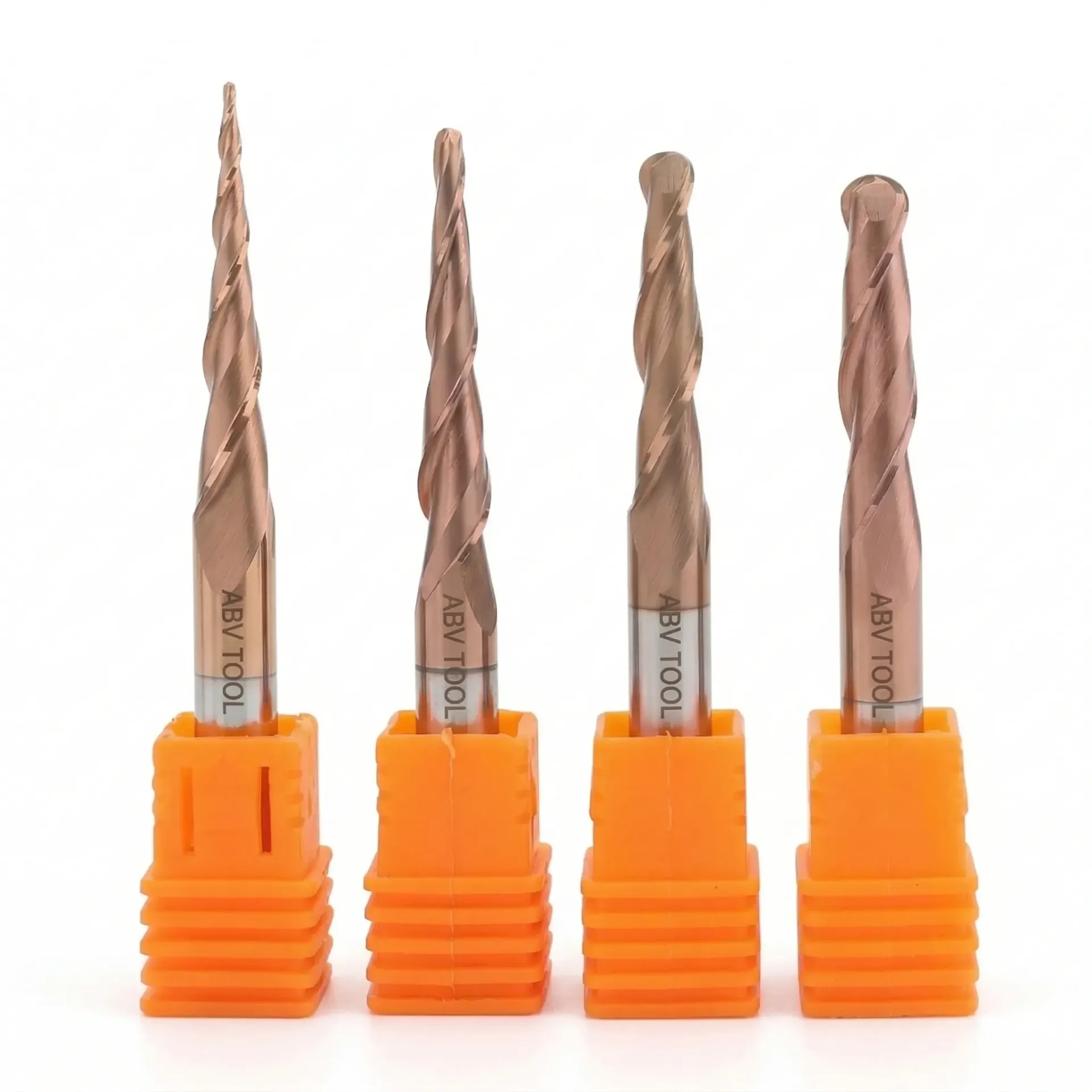
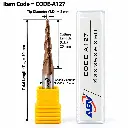
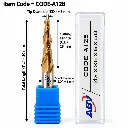
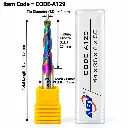
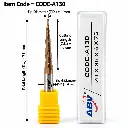
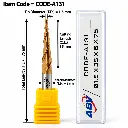
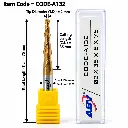
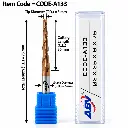
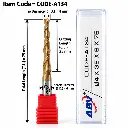
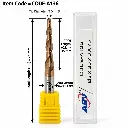
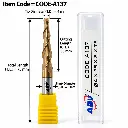
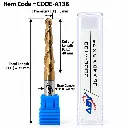
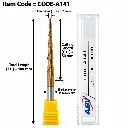
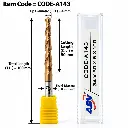
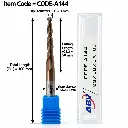
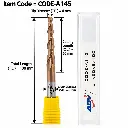
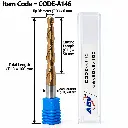
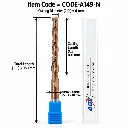
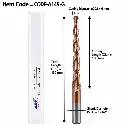
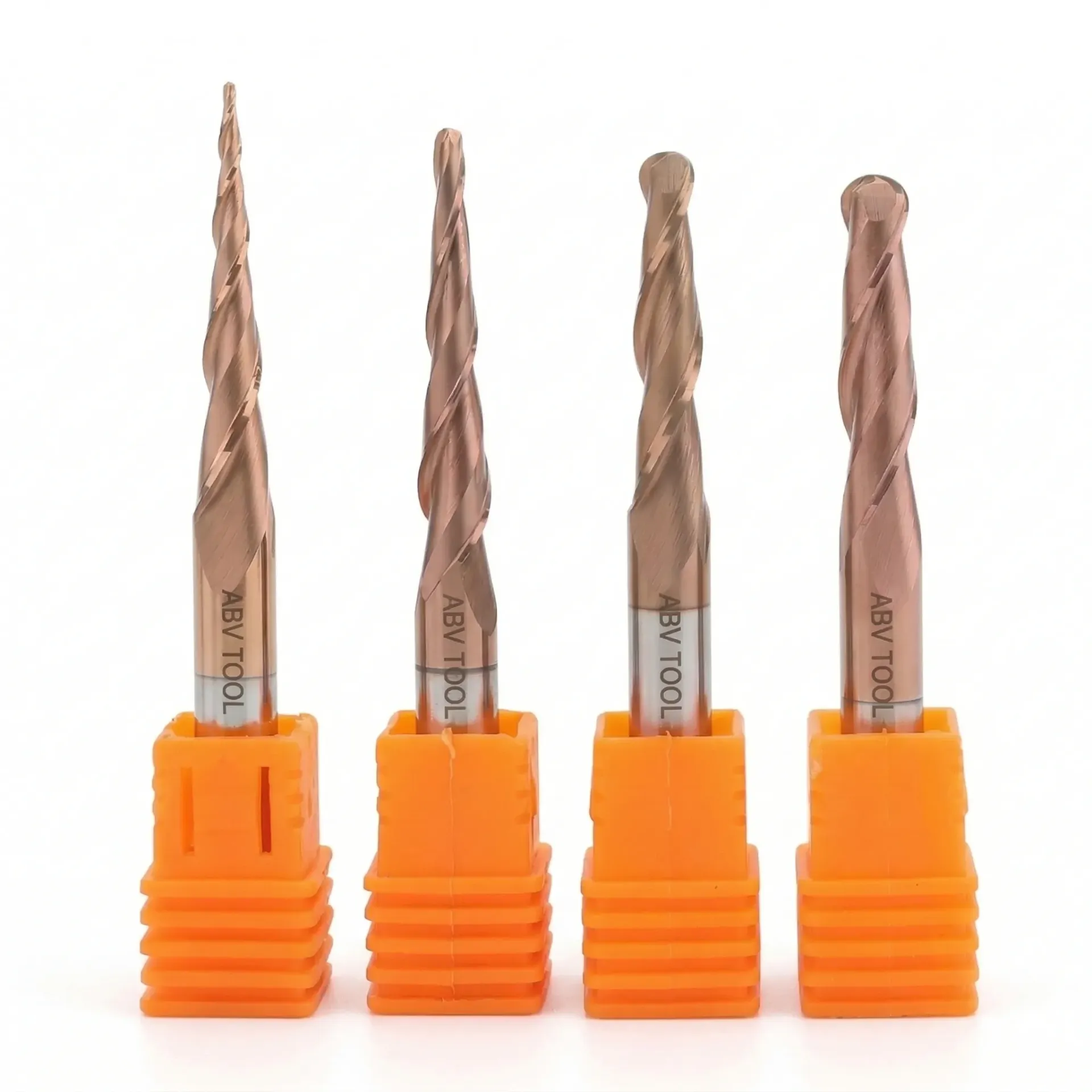
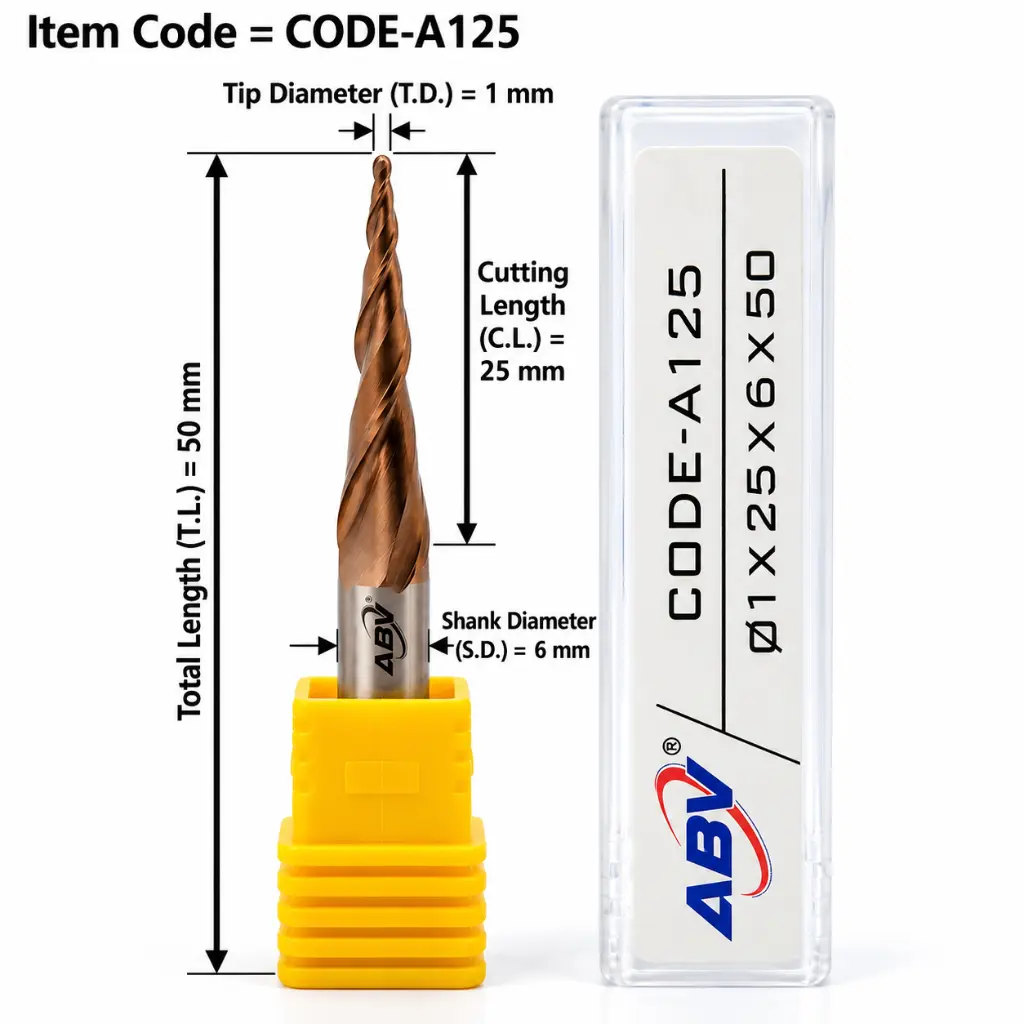
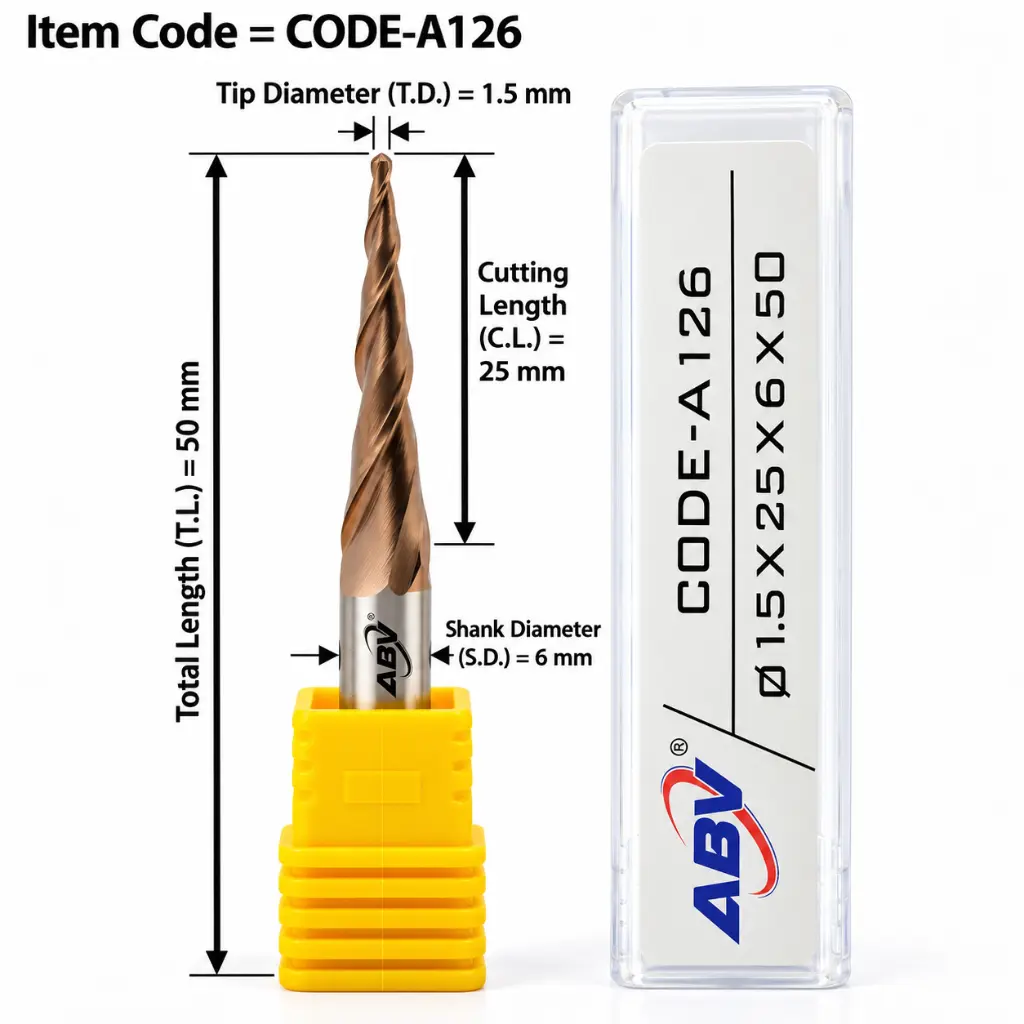
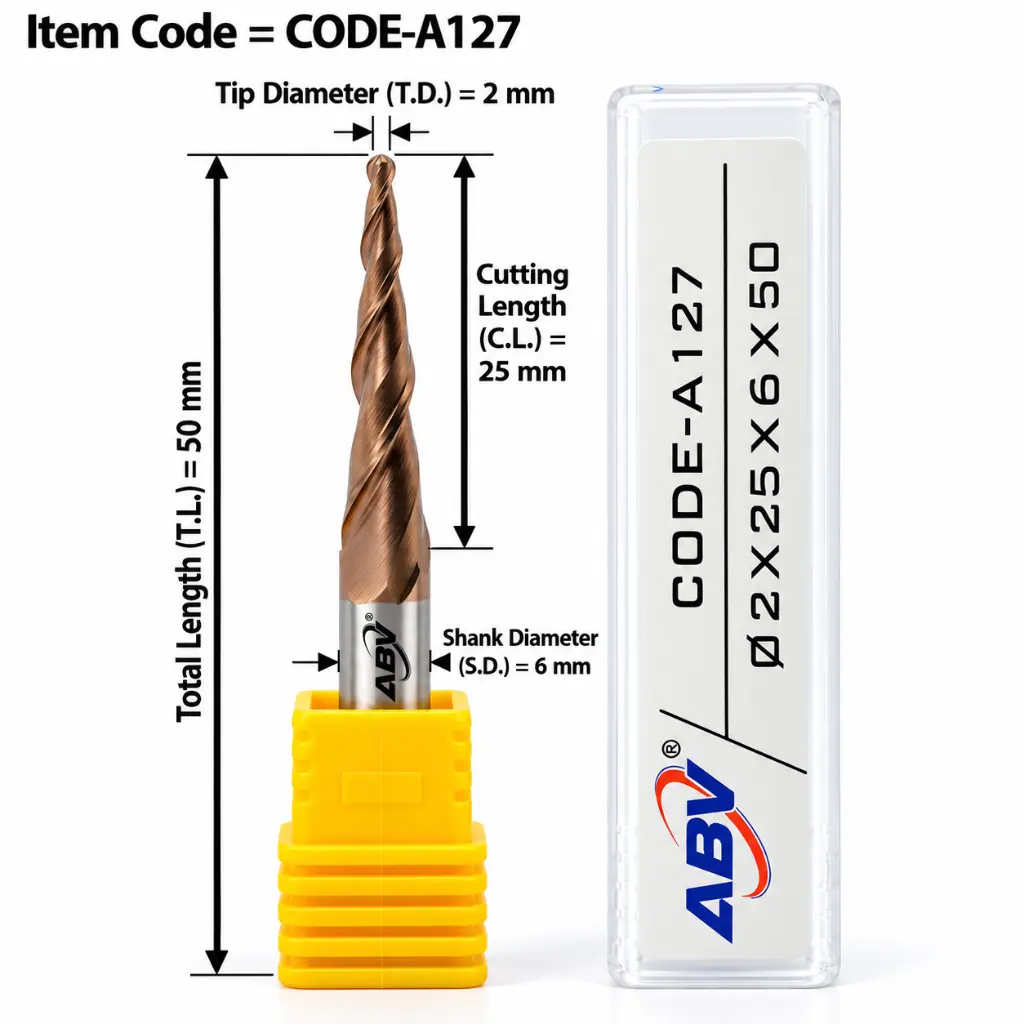
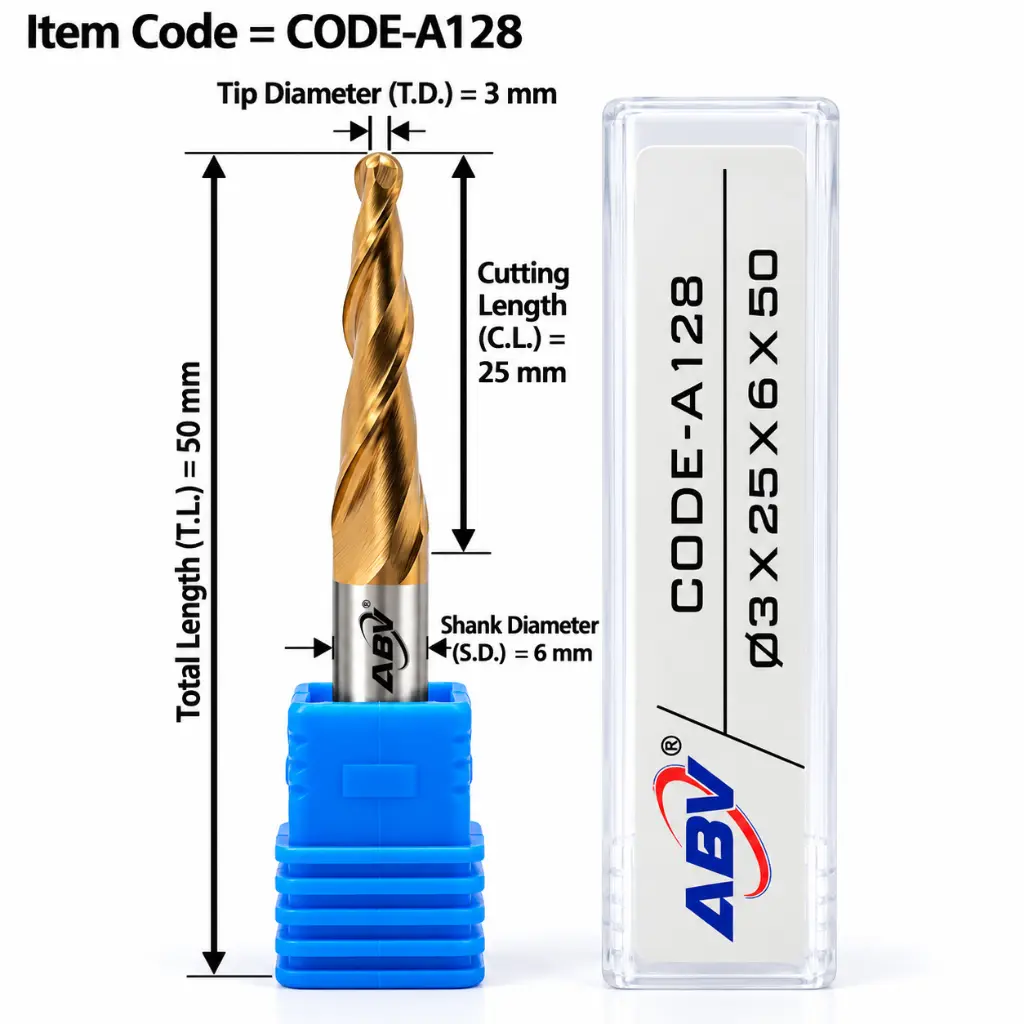
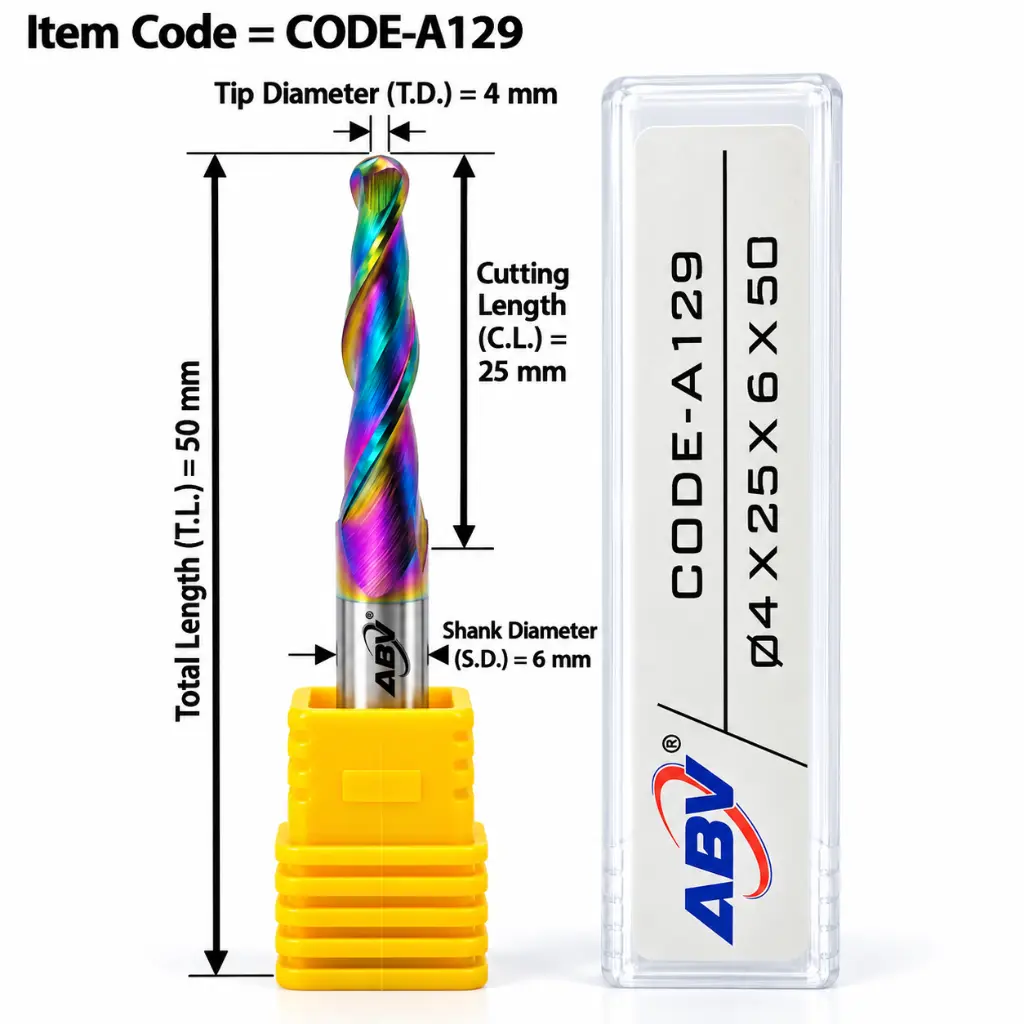
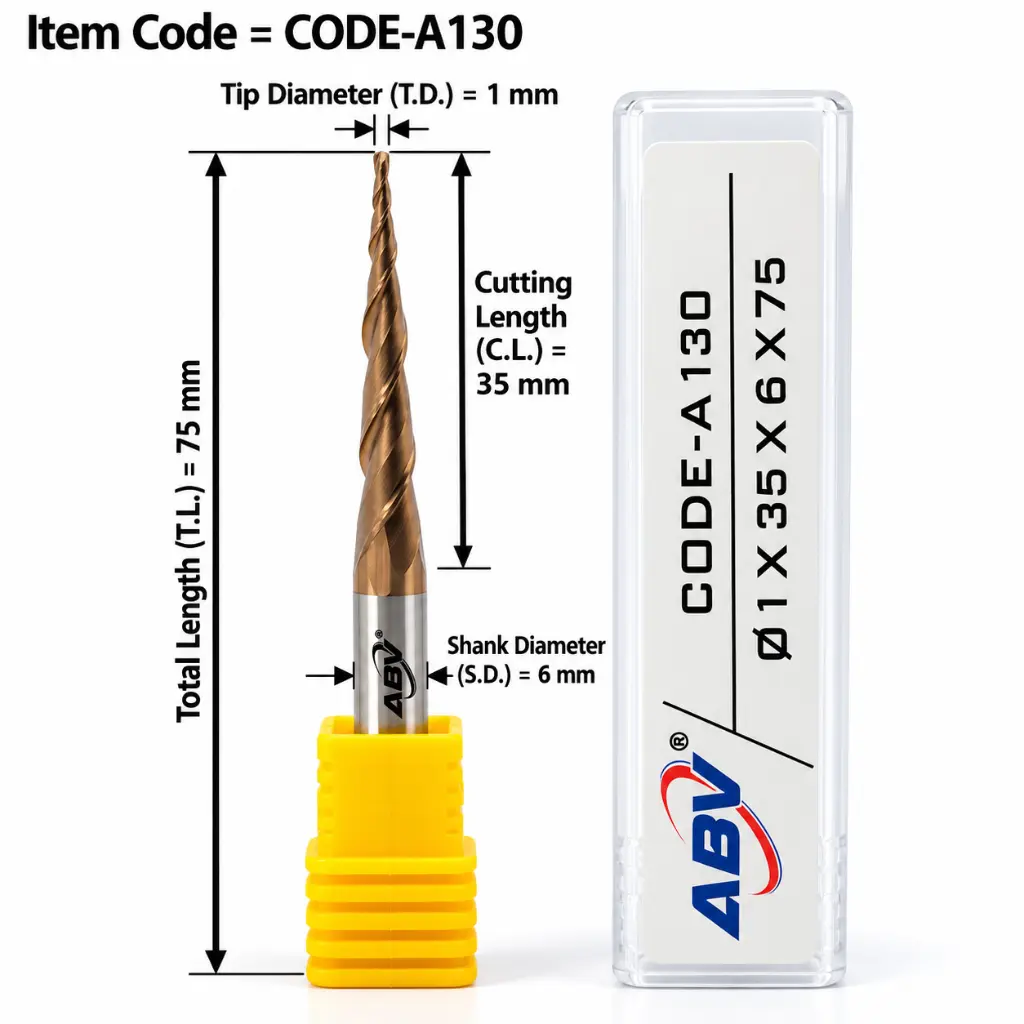
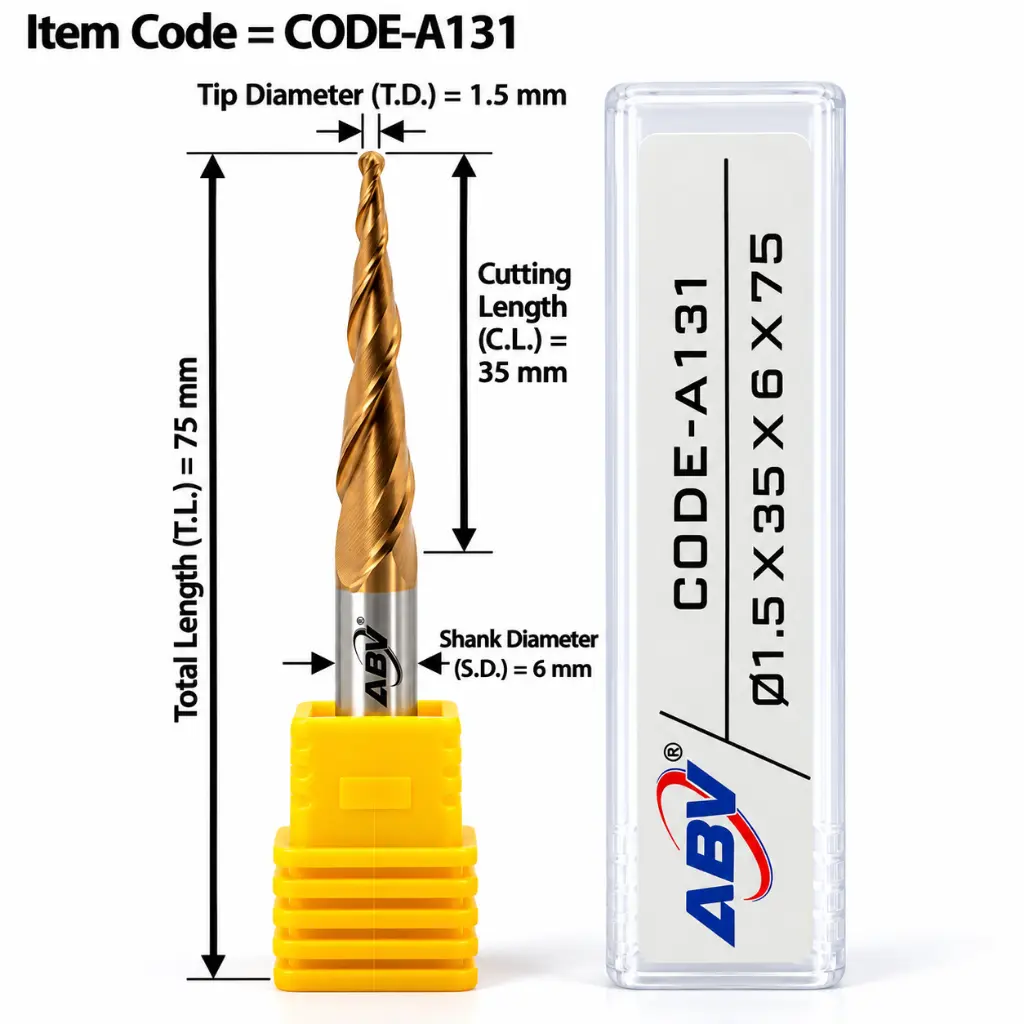
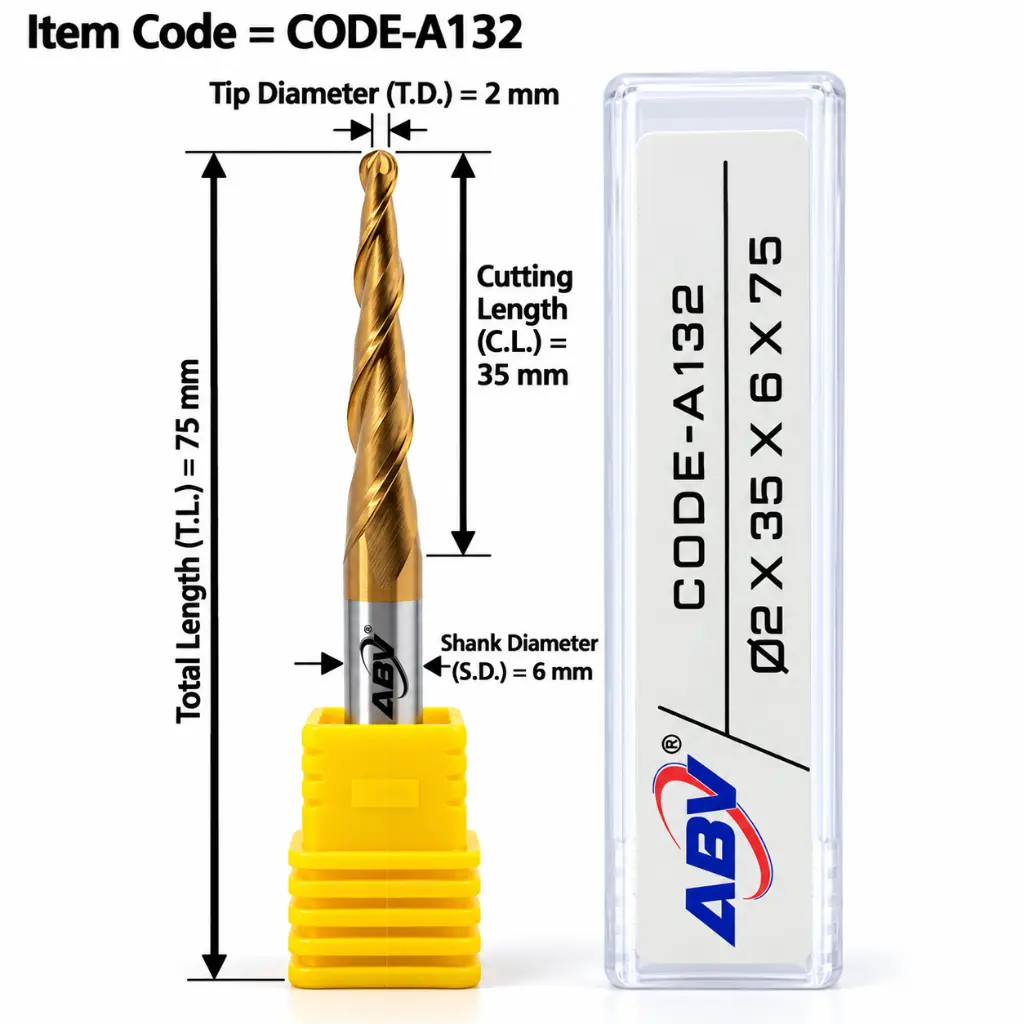
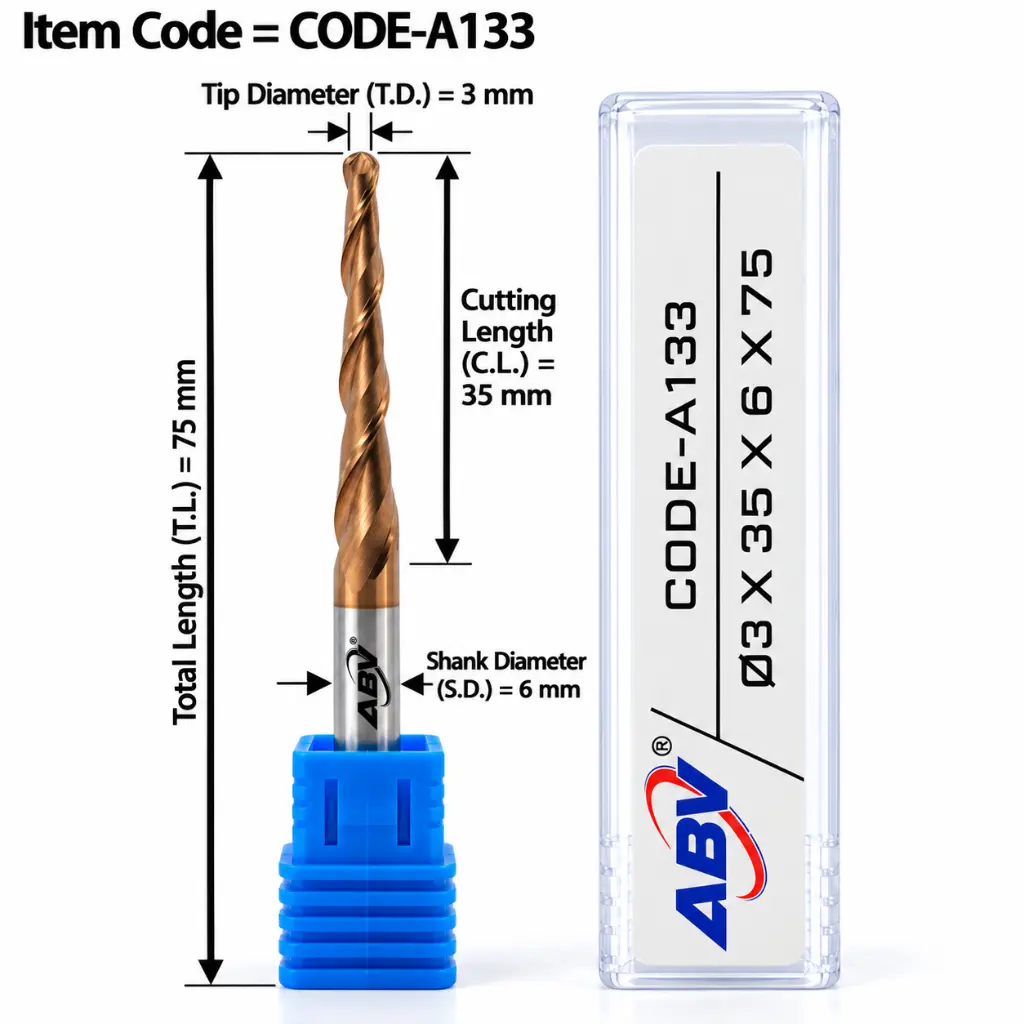
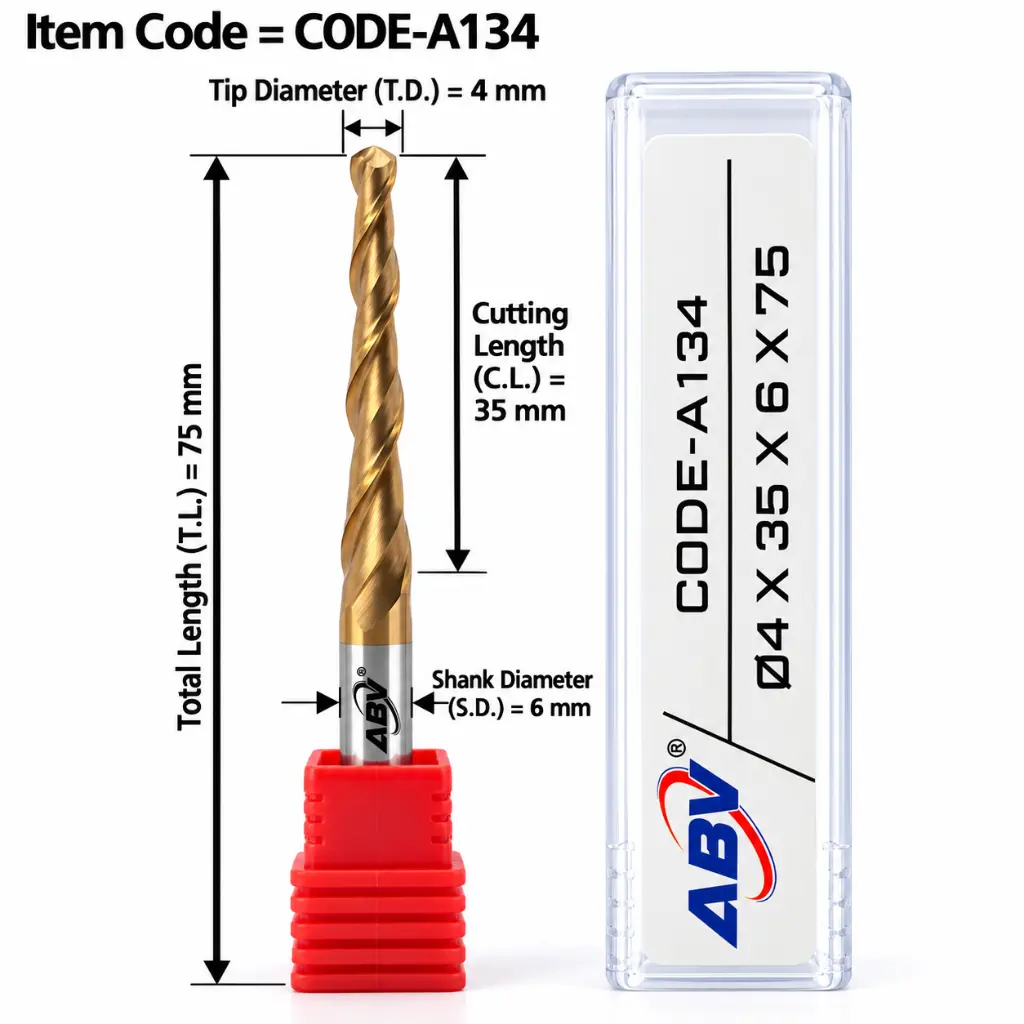
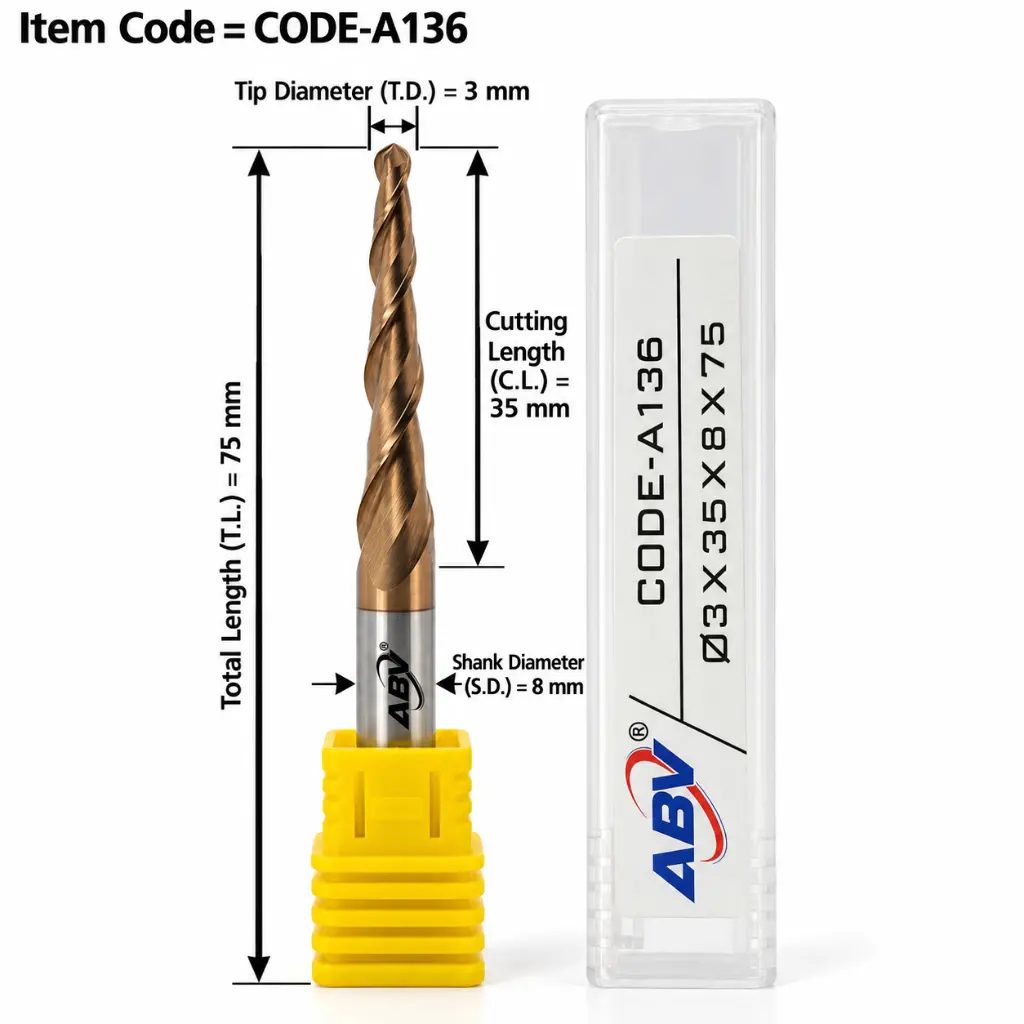
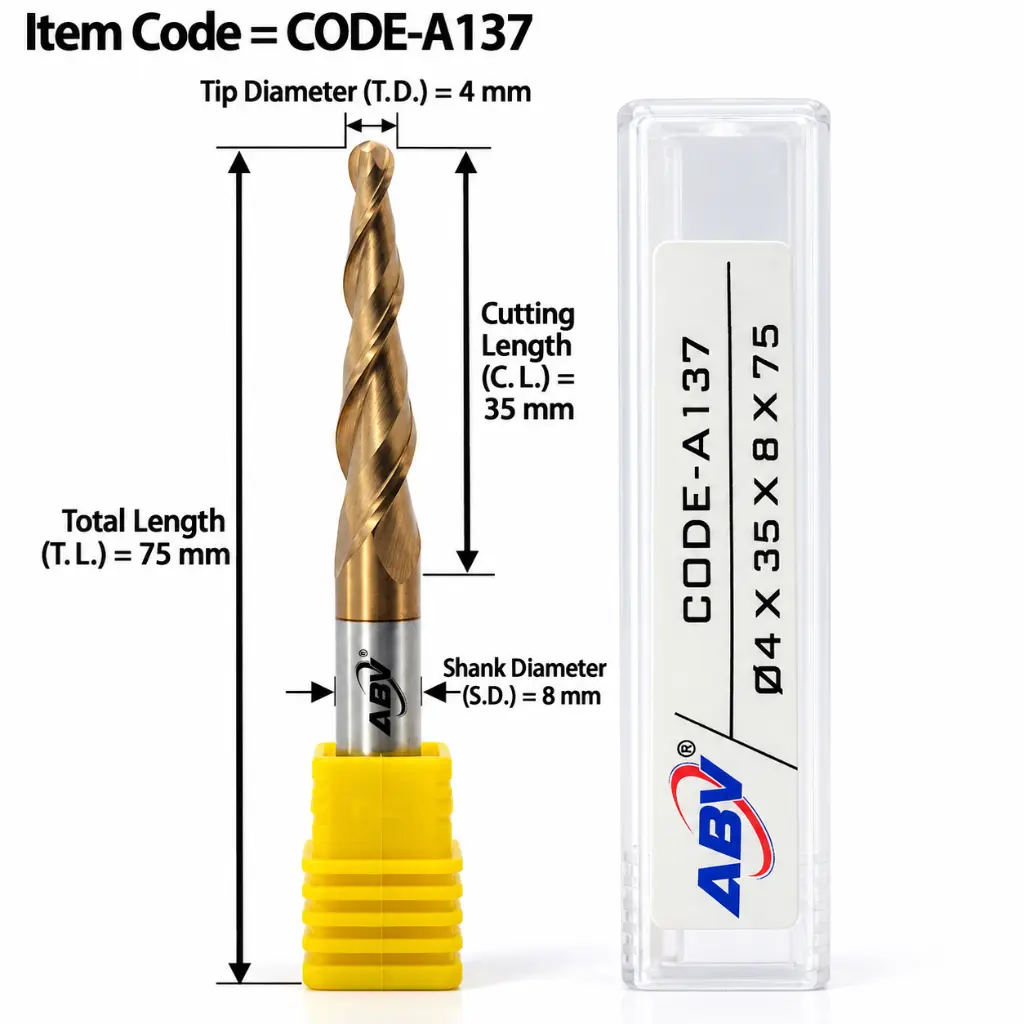
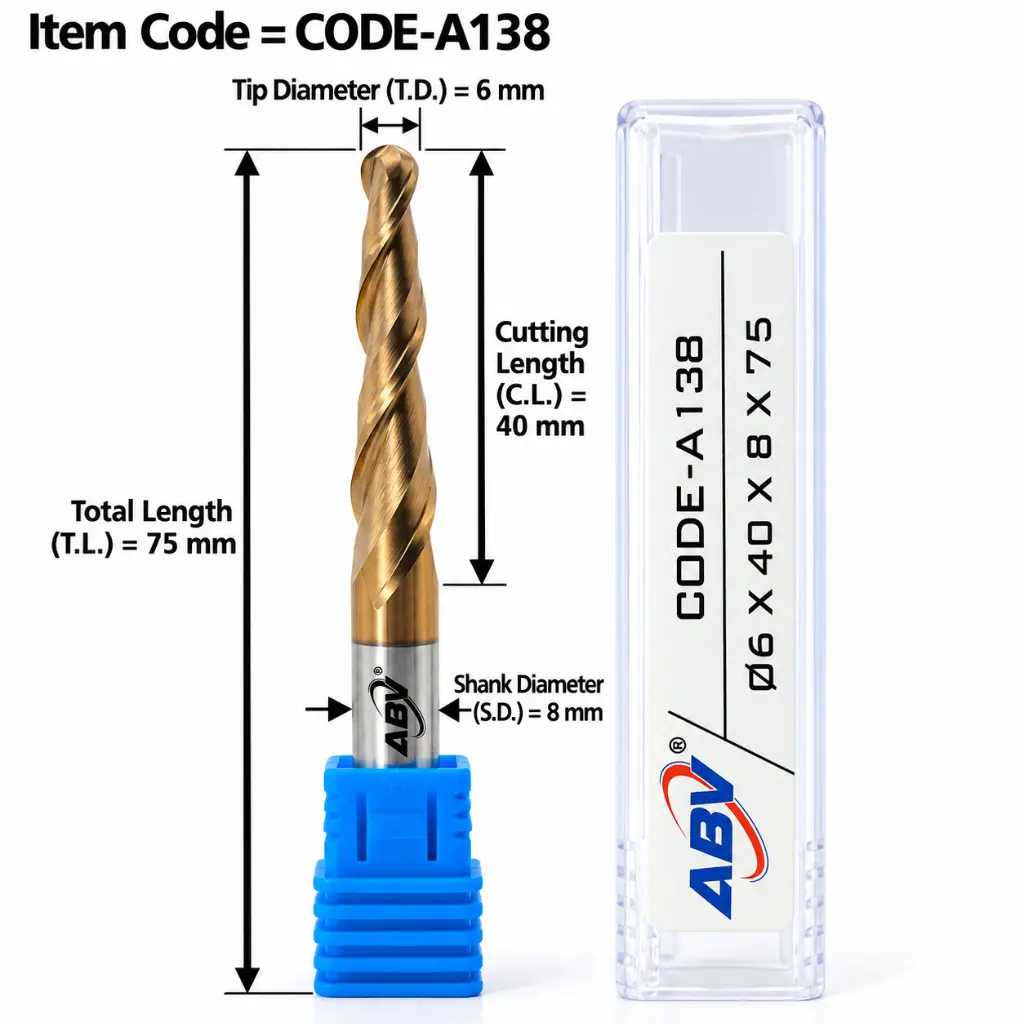
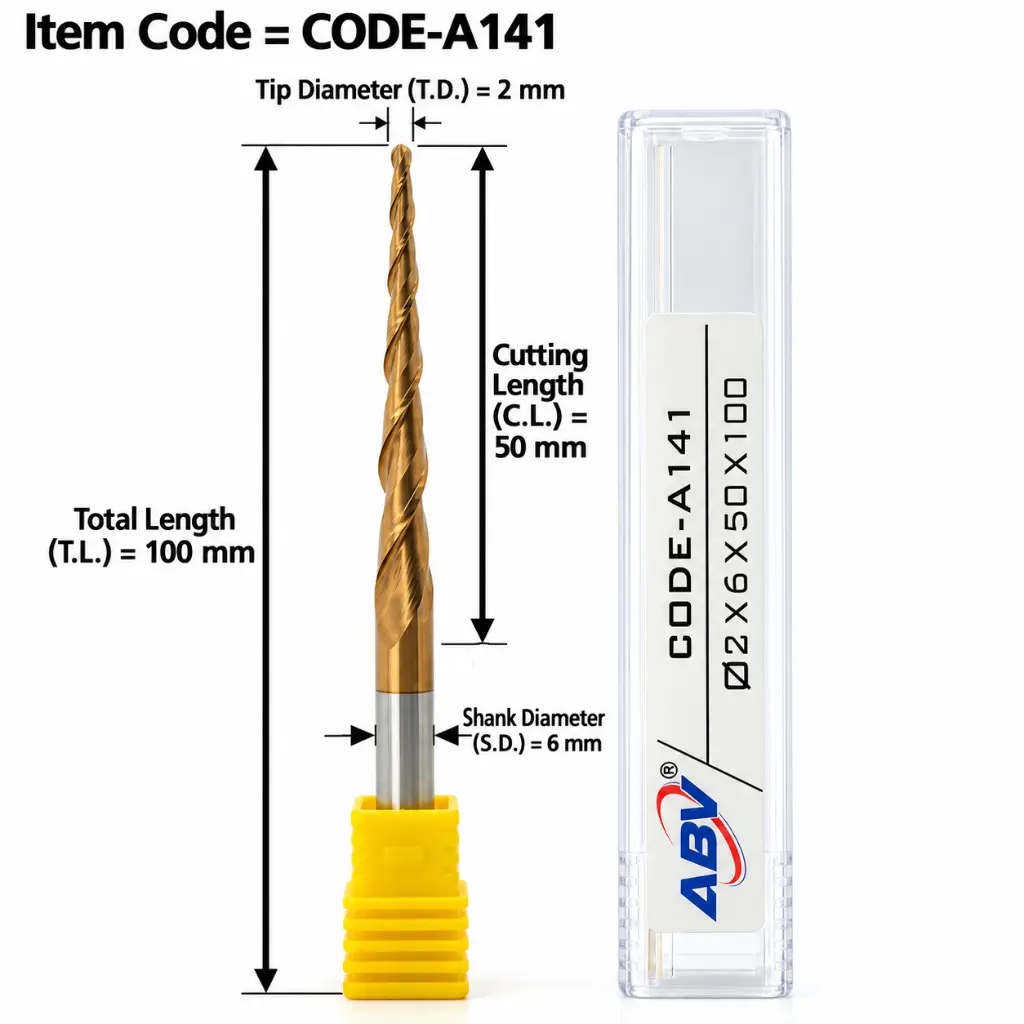
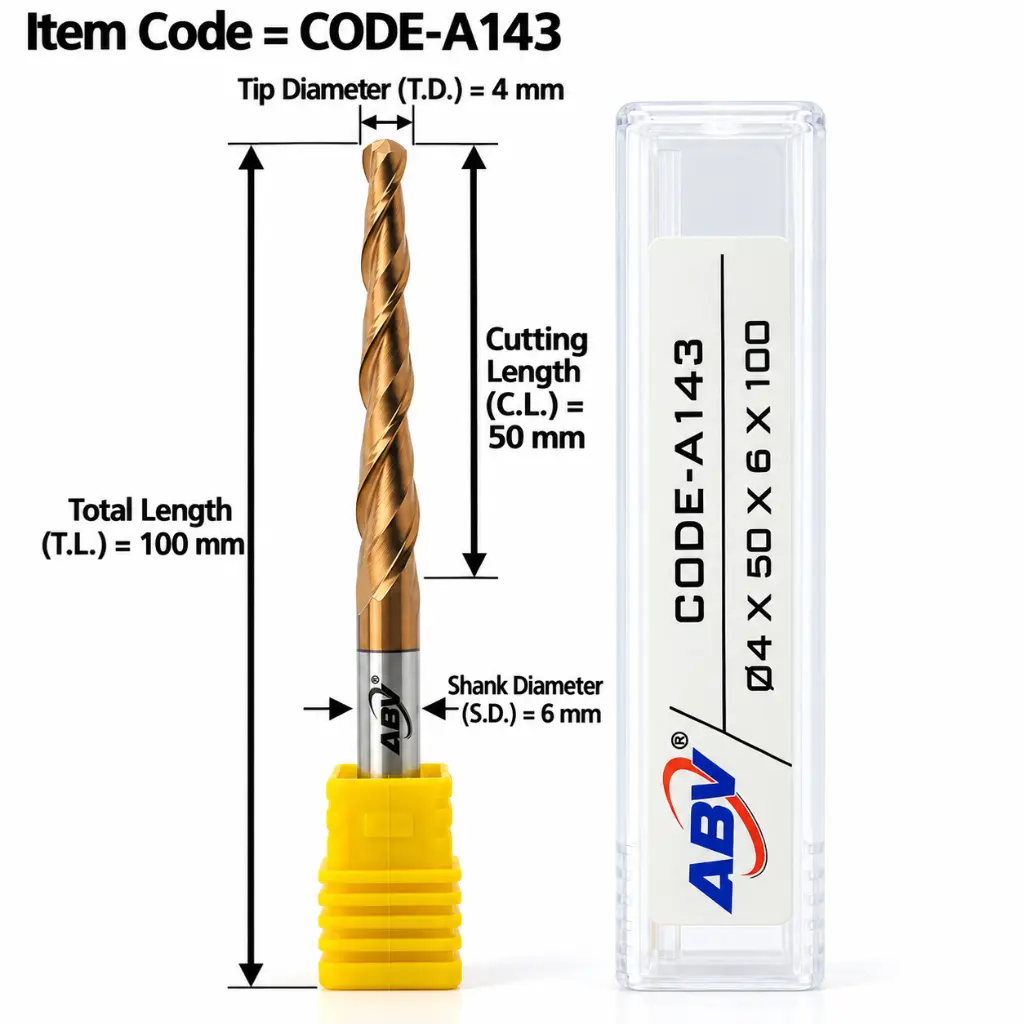
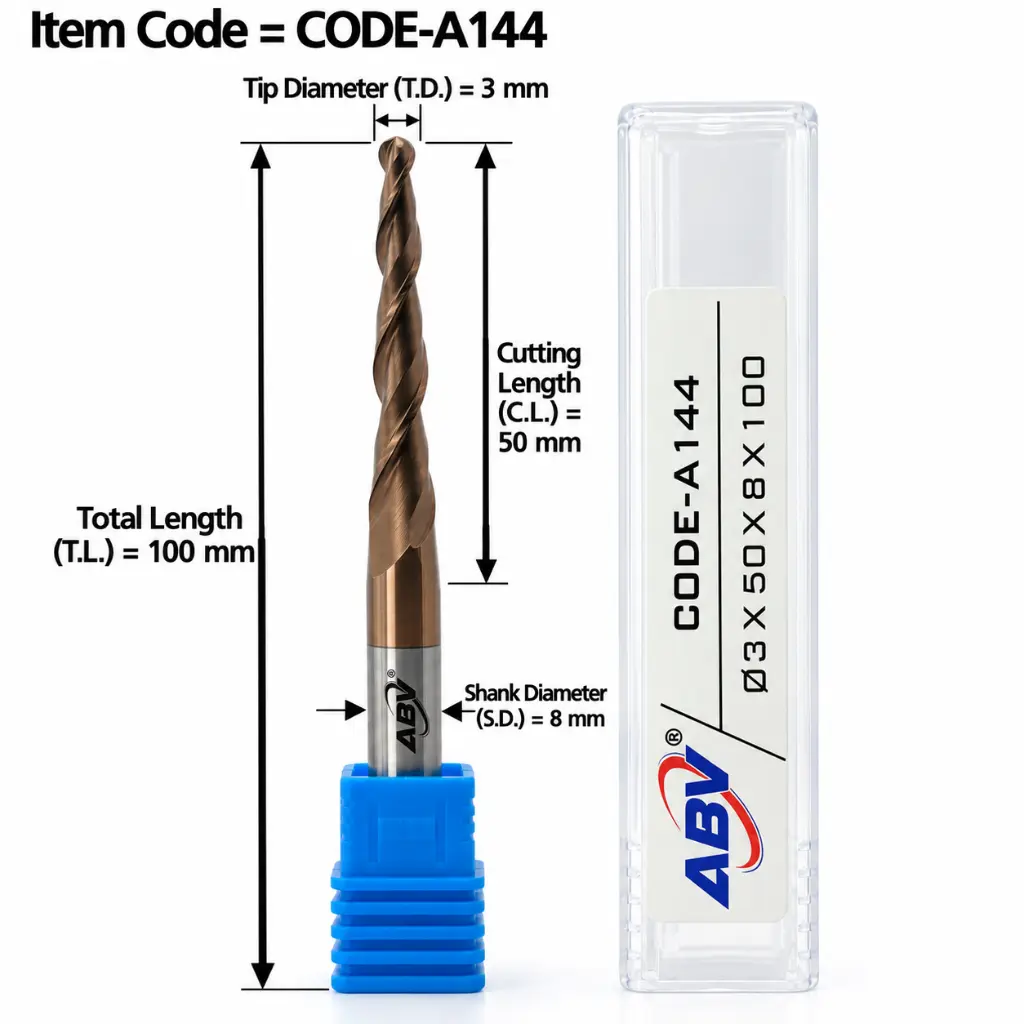
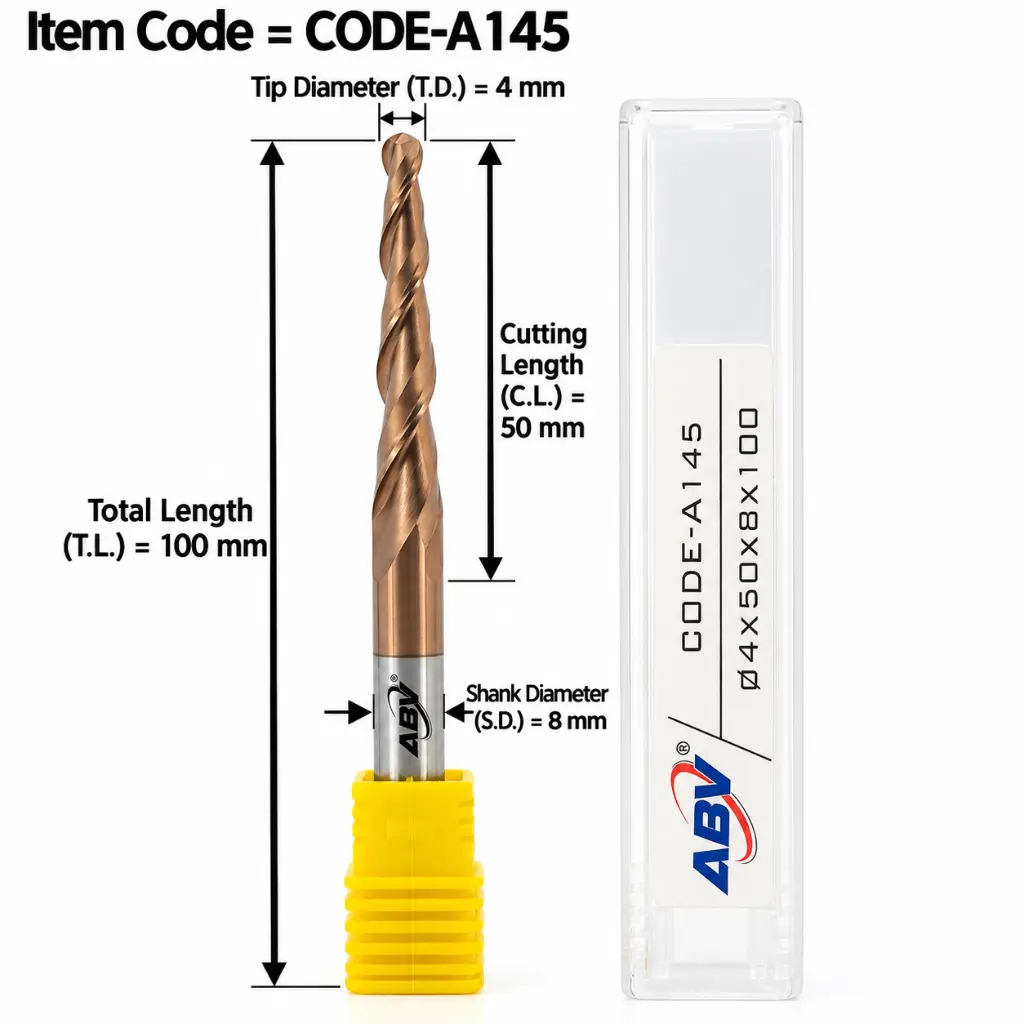
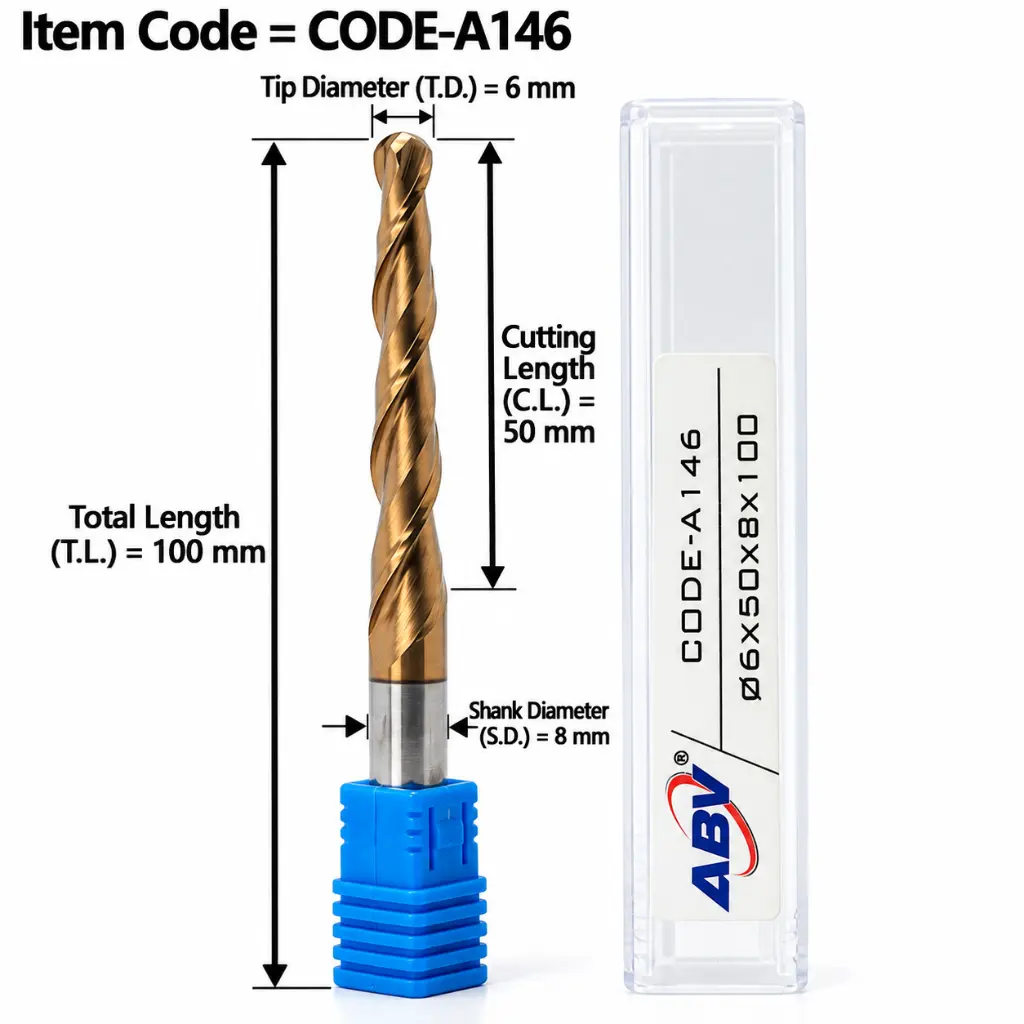
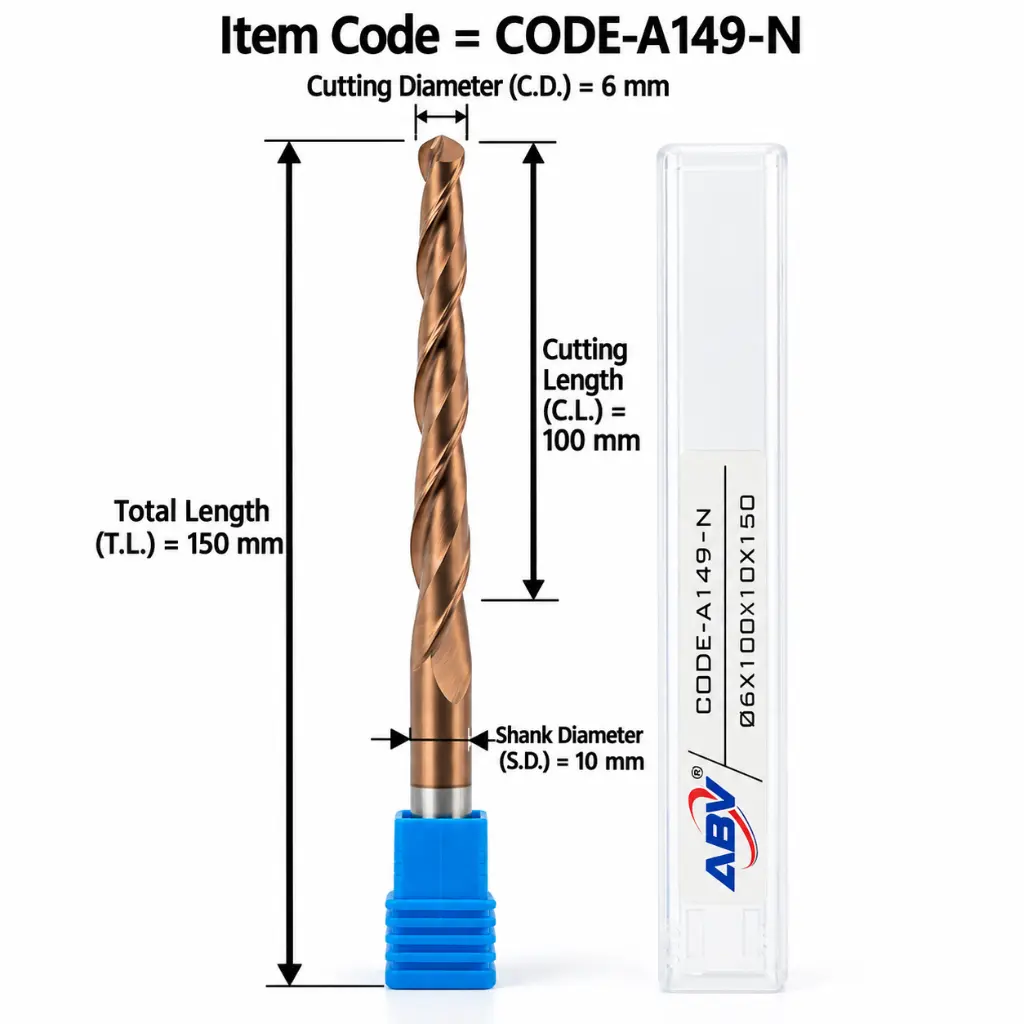
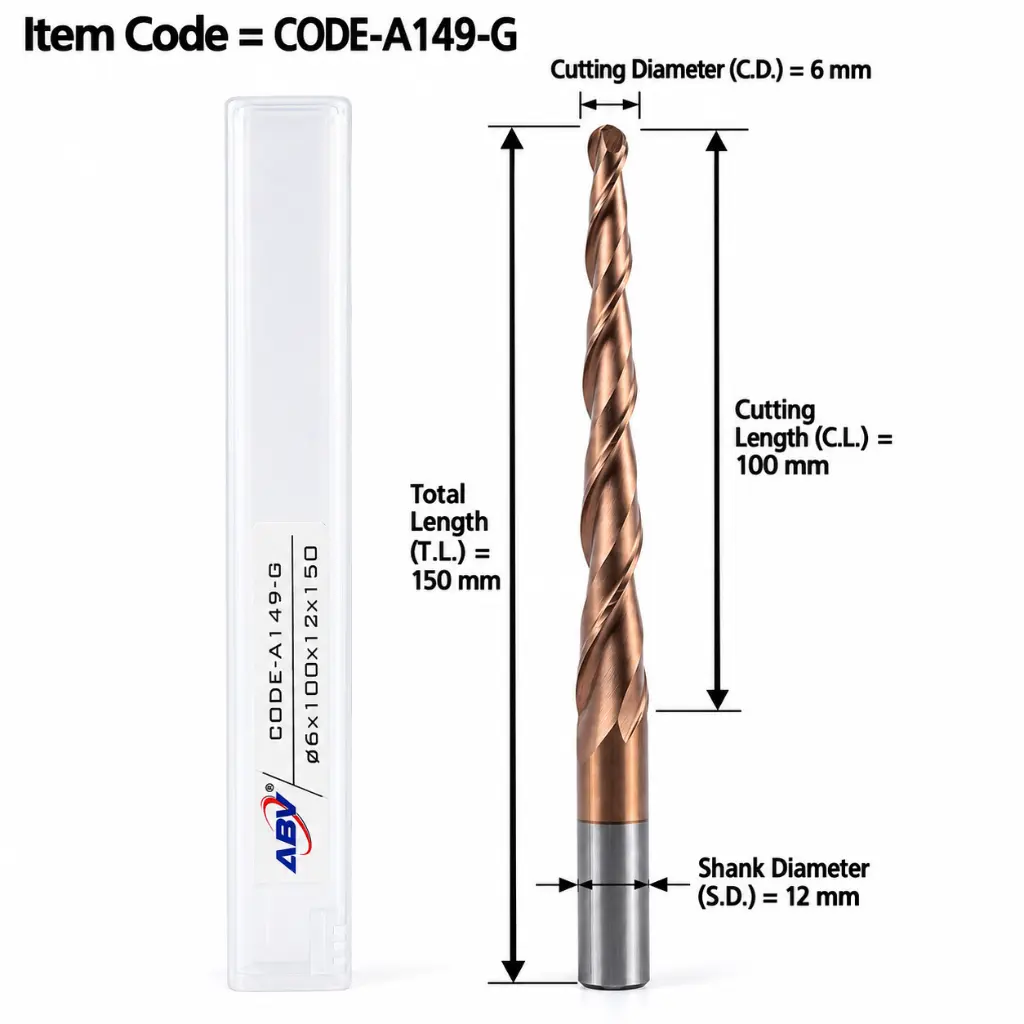
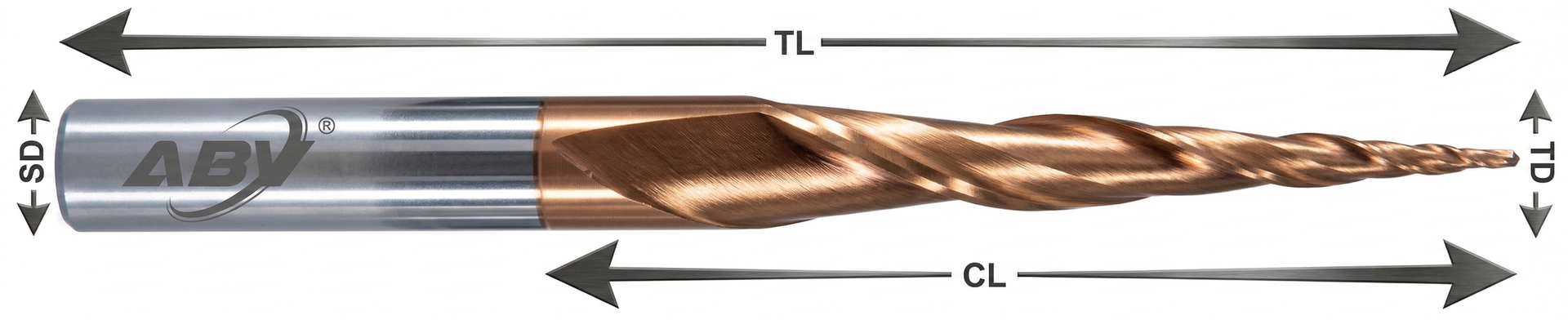
A Two-Flute Carbide Tapered Ball Nose (TBN) is arguably the most essential tool for high-detail 3D carving. It combines the fine tip of a small ball nose with the extreme structural strength of a conical body.
If you are carving intricate religious icons, detailed 3D textures, or jewelry molds, this is the tool that allows you to get "needle-point" precision without the bit snapping.
1. Why the "Taper" Design is Superior
Standard ball nose bits are prone to snapping when the tip gets smaller than 3mm because the shank is thin. The Tapered design solves this:
The "Conical" Advantage: The bit starts with a thick shank (usually 6mm or 8mm) and tapers down to a tiny tip (0.25mm, 0.5mm, or 1mm).
Increased Rigidity: The wider base absorbs the vibration and lateral force, allowing the tiny tip to carve deep into hard materials without "flexing."
Deep Reach: Because of the angled walls, these bits can reach much deeper into a 3D model than a standard straight-shank bit of the same tip size.
2. Best Applications for ABV Tool Customers
| Application | Why Tapered Ball Nose? |
| 3D Religious Icons | Perfect for capturing facial features and fine drapery in wood or stone. |
| Jewelry Molds | Allows for high-detail engraving in wax or brass. |
| Signage | Excellent for small "V-carved" text that requires a rounded bottom. |
| Furniture Carving | Replaces hand-carving for intricate floral or "classic" patterns. |
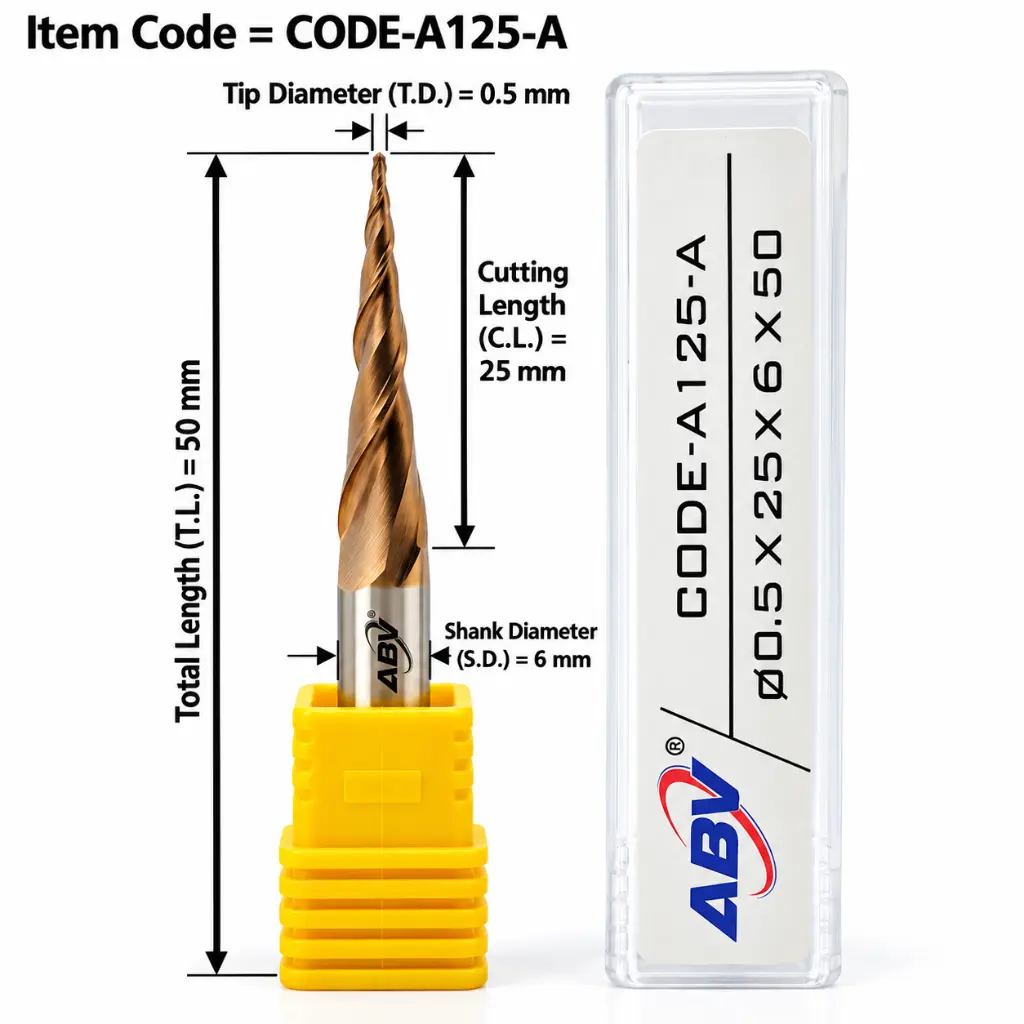
3. Key Specifications to Know
When ordering or selling these, you need three specific measurements:
Tip Radius (R): Usually 0.25mm, 0.5mm, or 1.0mm. This determines the level of detail.
Shank Diameter (D): Usually 6mm for most CNC routers in India.
Side Angle: Typically between 3° and 10°. A larger angle means a stronger bit but might limit how close it can get to vertical walls in your 3D model.
4. Pro-Tips for Using TBN Bits
The "Single Pass" Potential: Because they are so strong, you can often skip a "Roughing Pass" in softer woods or foams and go straight to the "Finishing Pass," saving hours of machine time.
Step-over Calculation: To get a "sand-free" finish with a 0.5mm radius tip, set your step-over to roughly 0.05mm to 0.1mm.
Coating Matters: For the long-running 3D jobs (which can take 10+ hours), a TiAlN or DLC coating is highly recommended to prevent the tip from dulling halfway through the project.