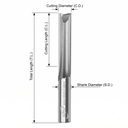
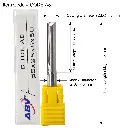
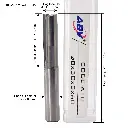
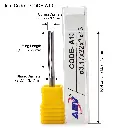
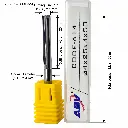
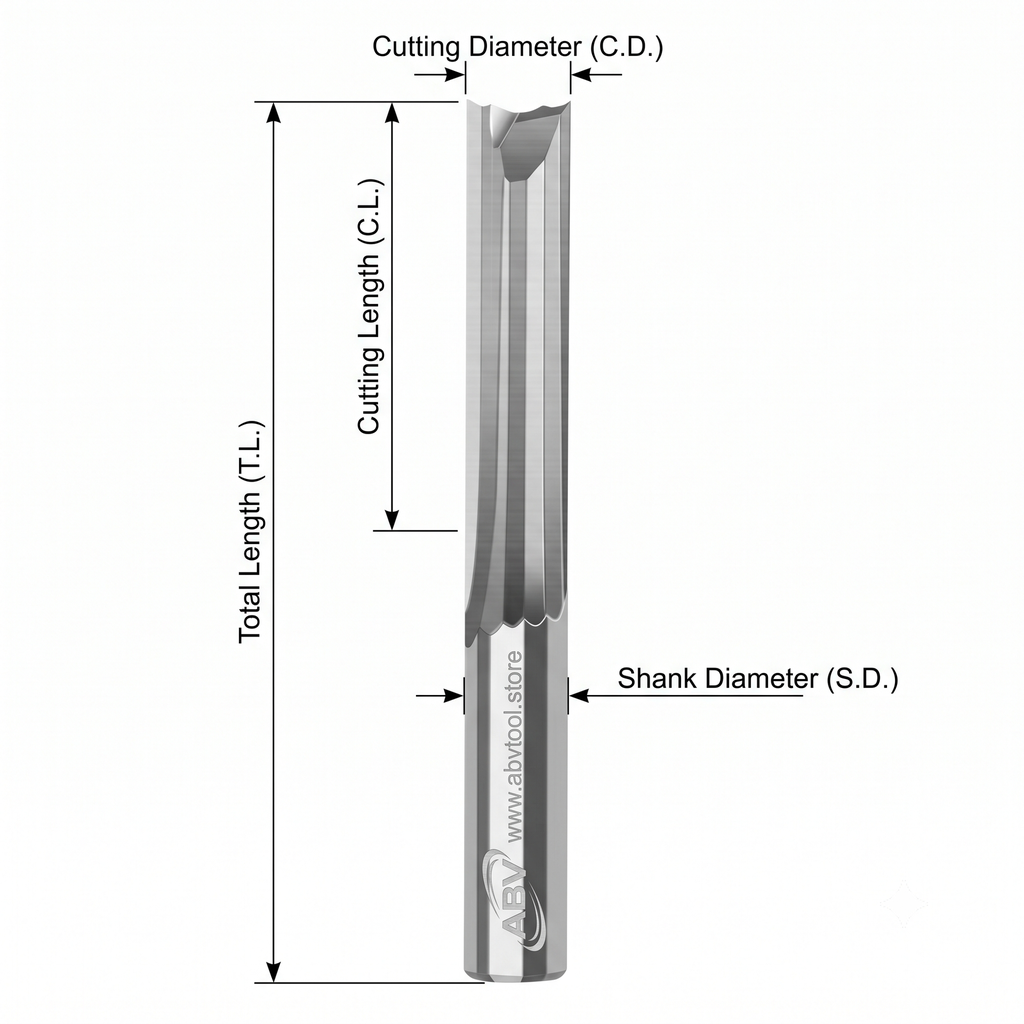
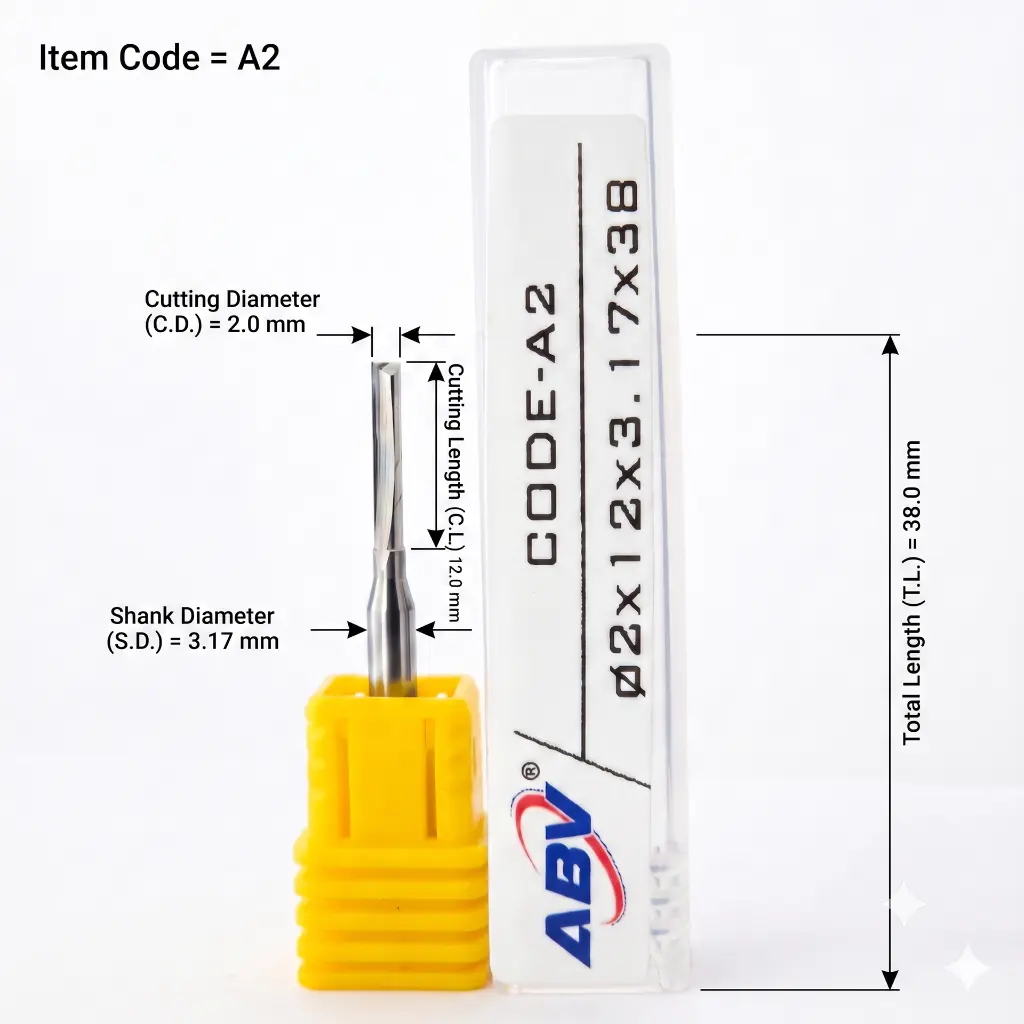
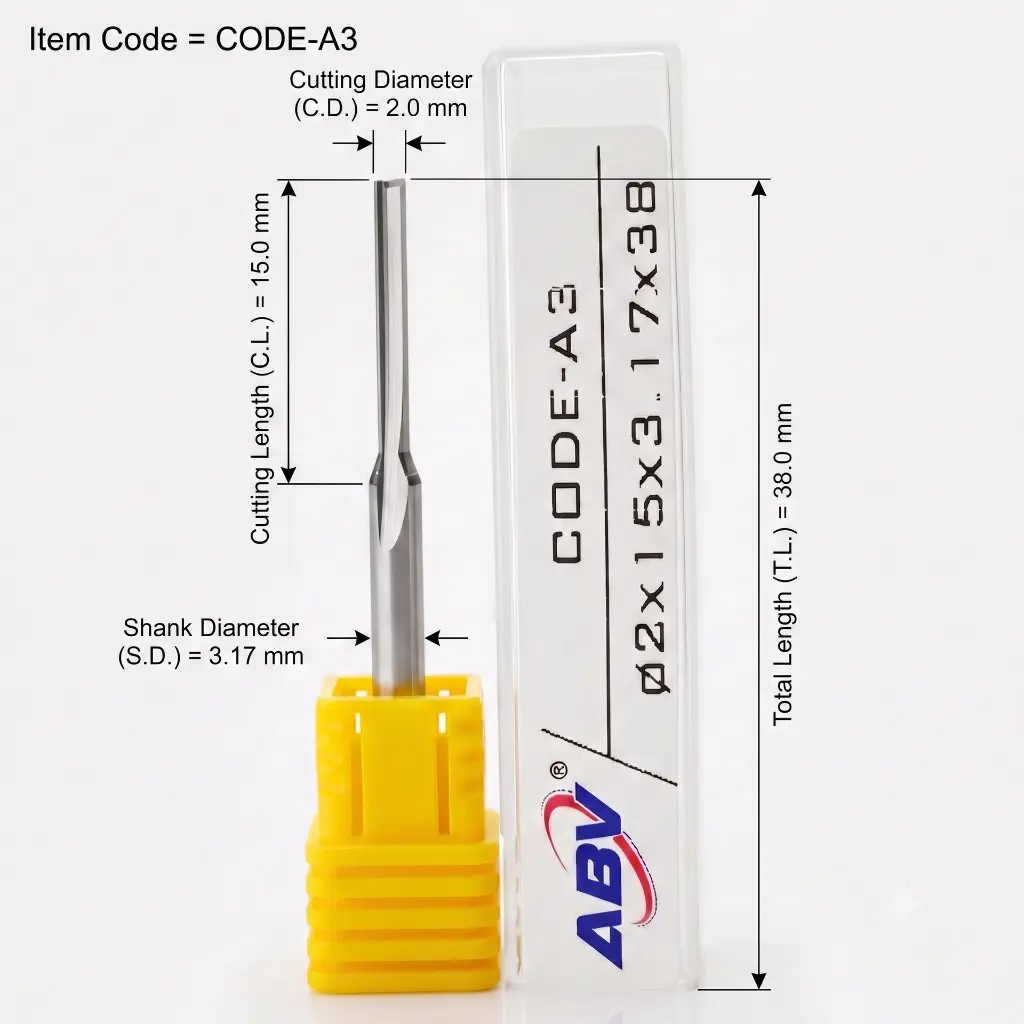
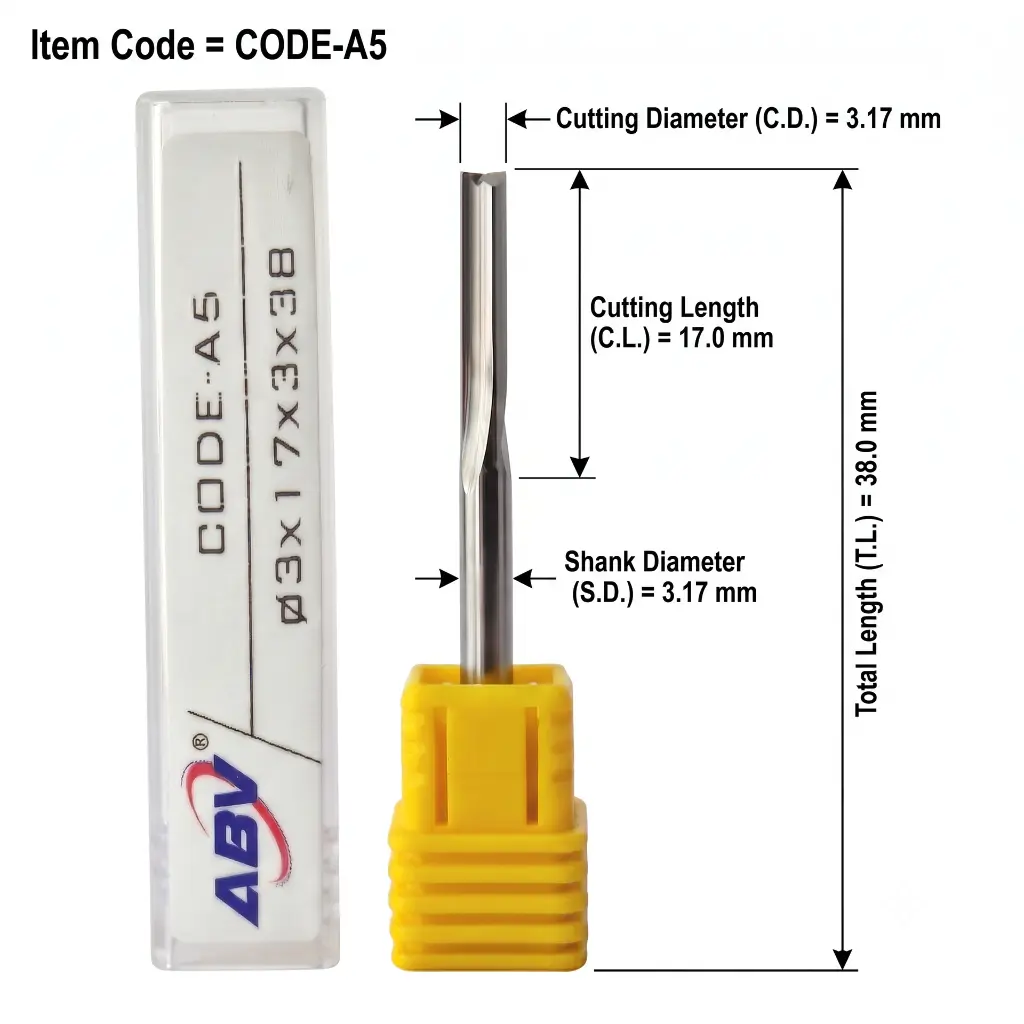
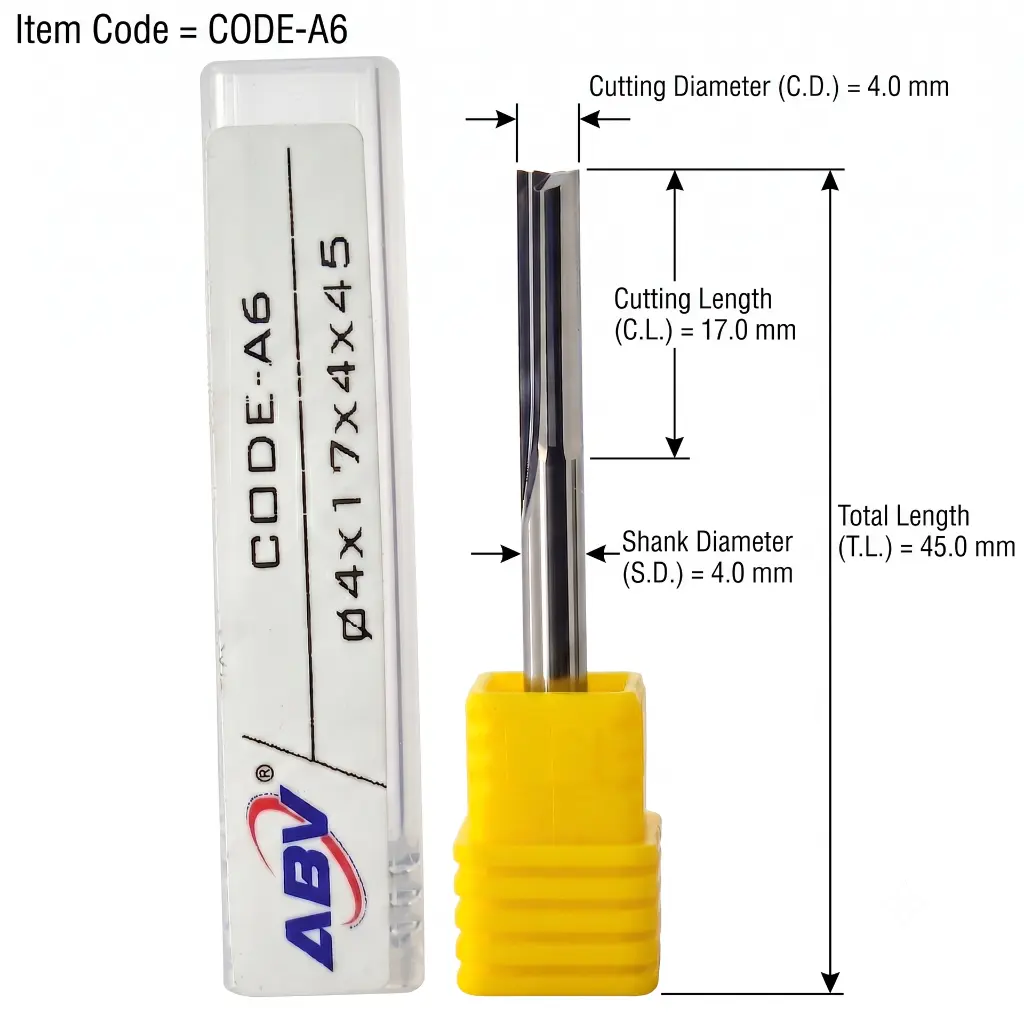
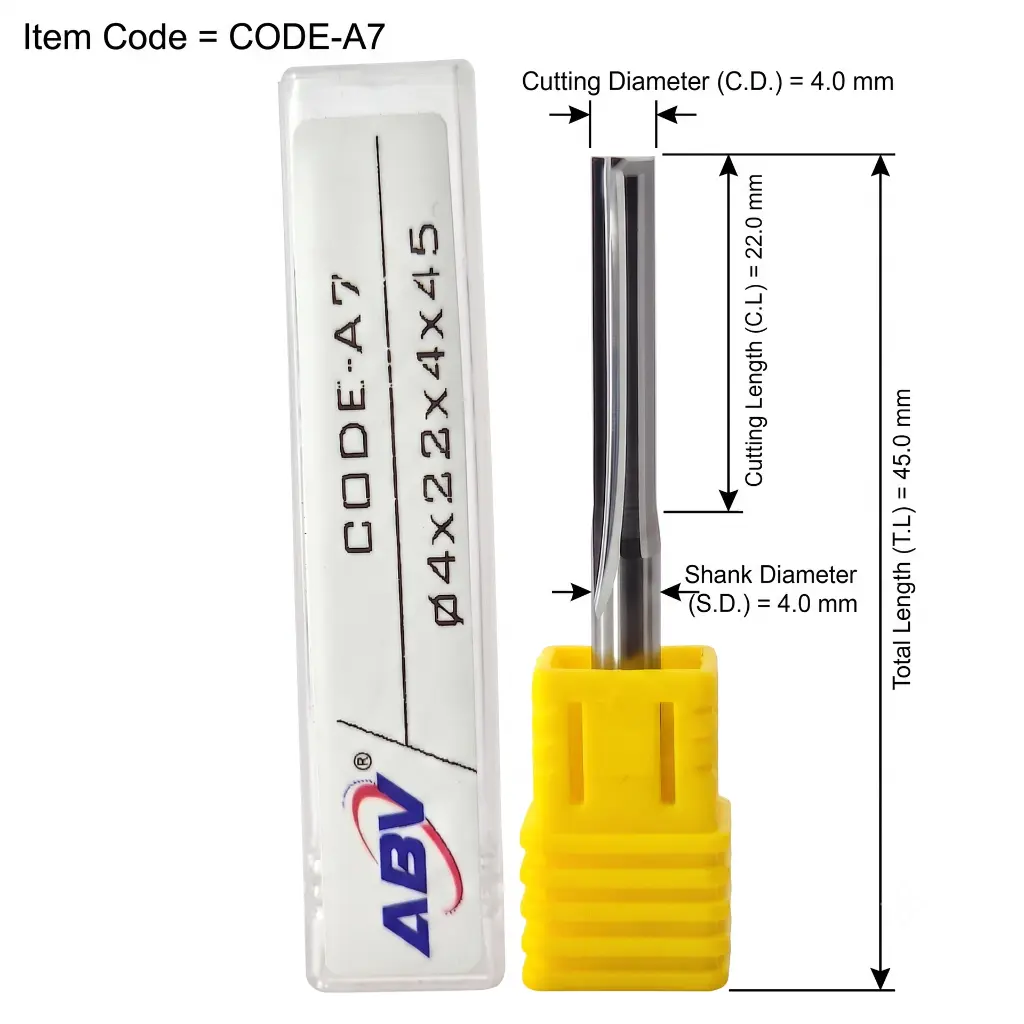
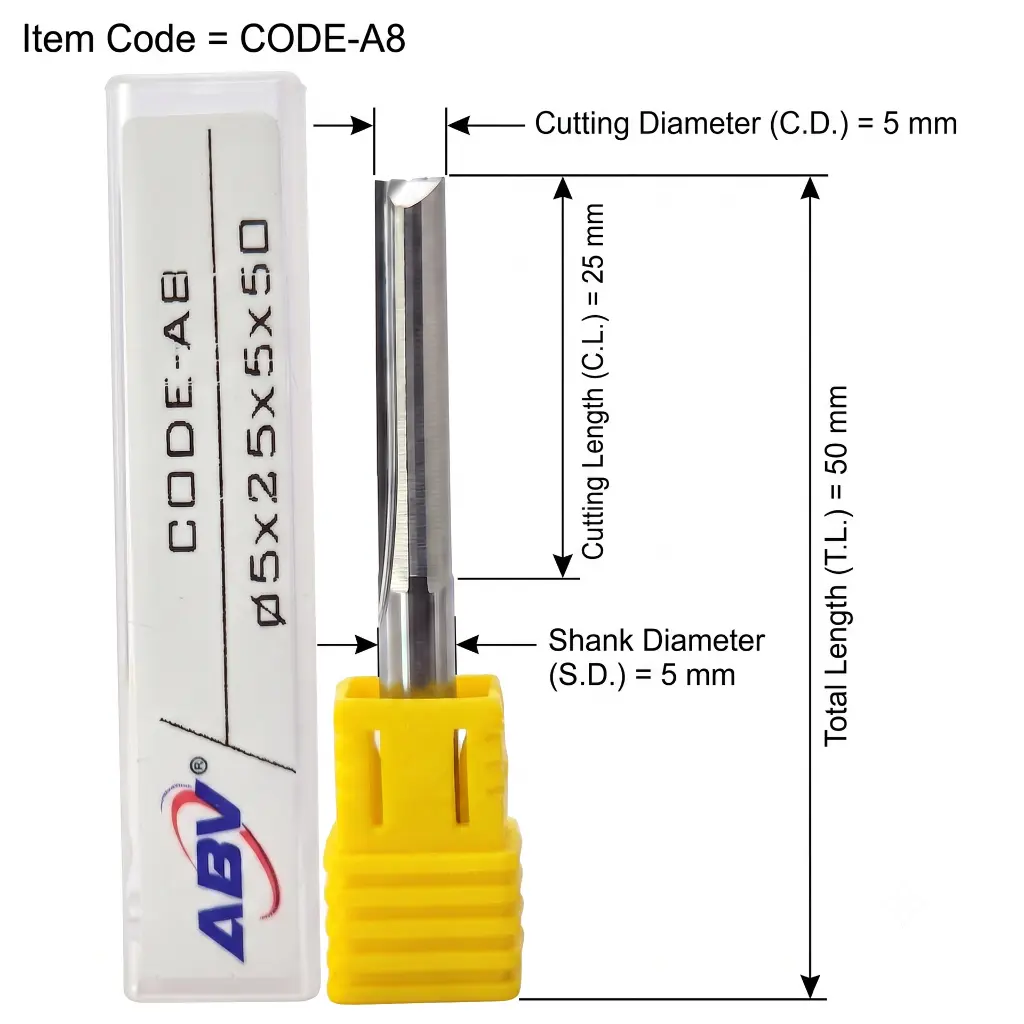
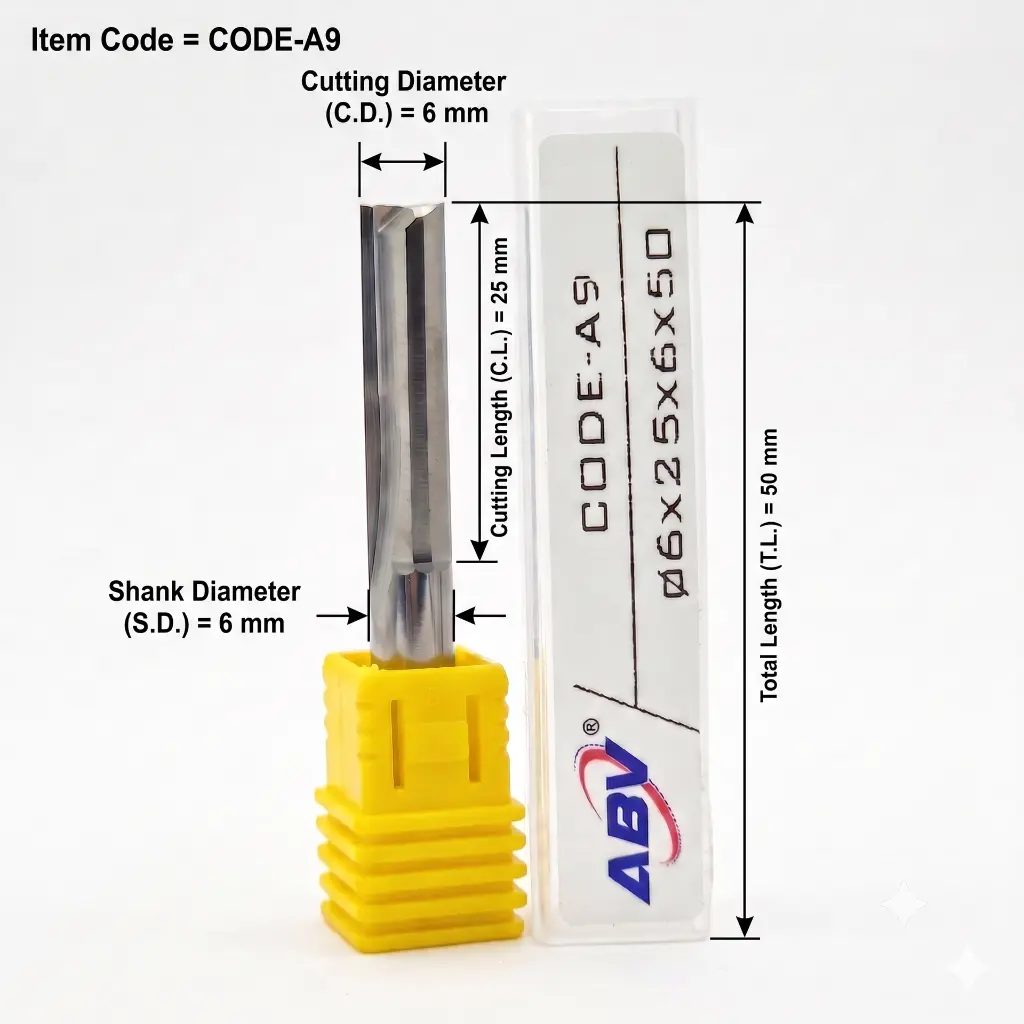
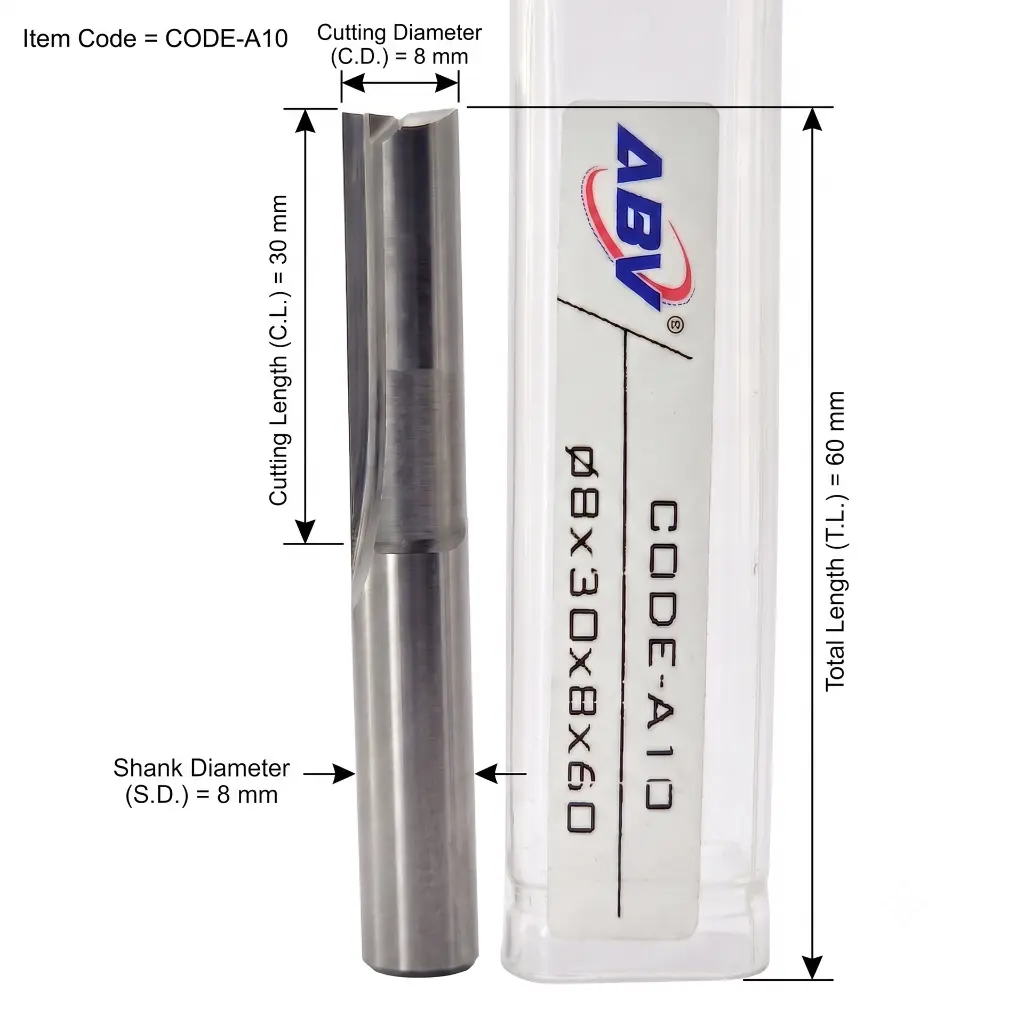
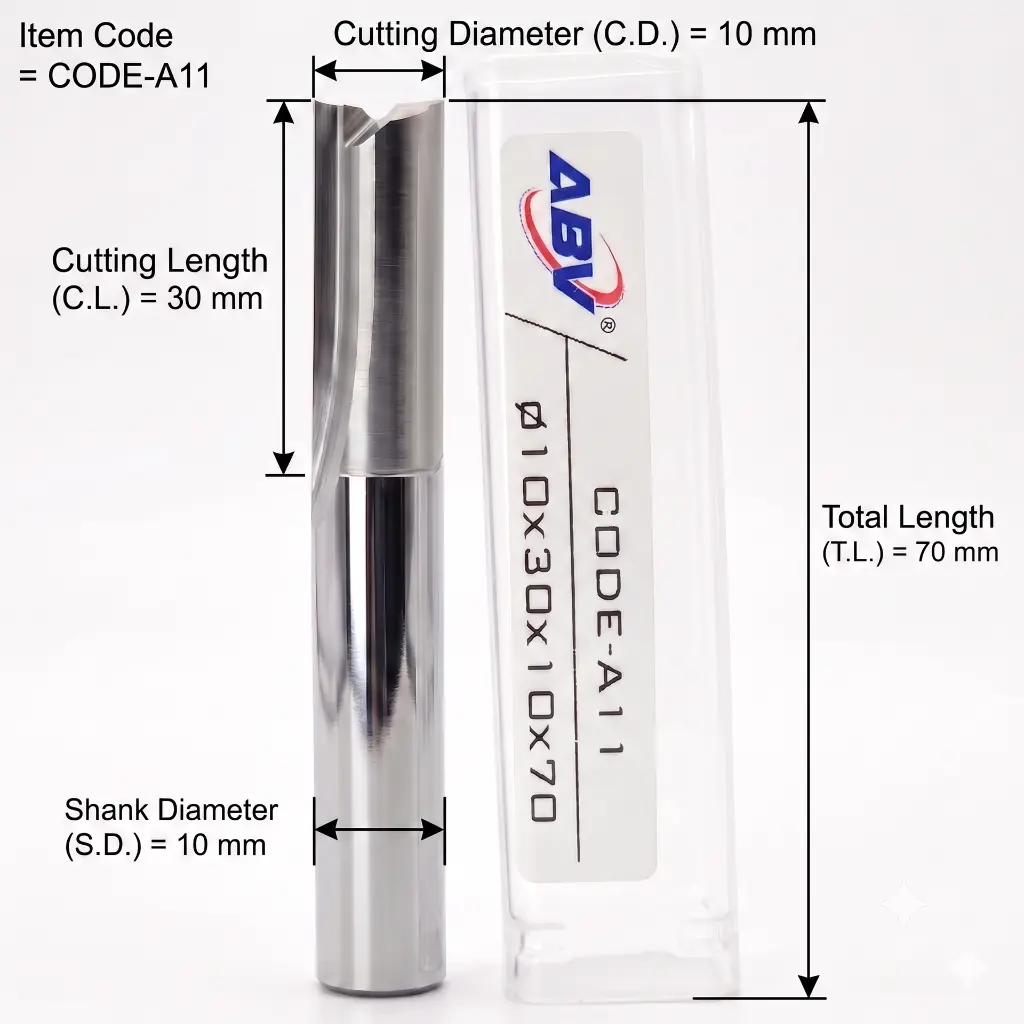
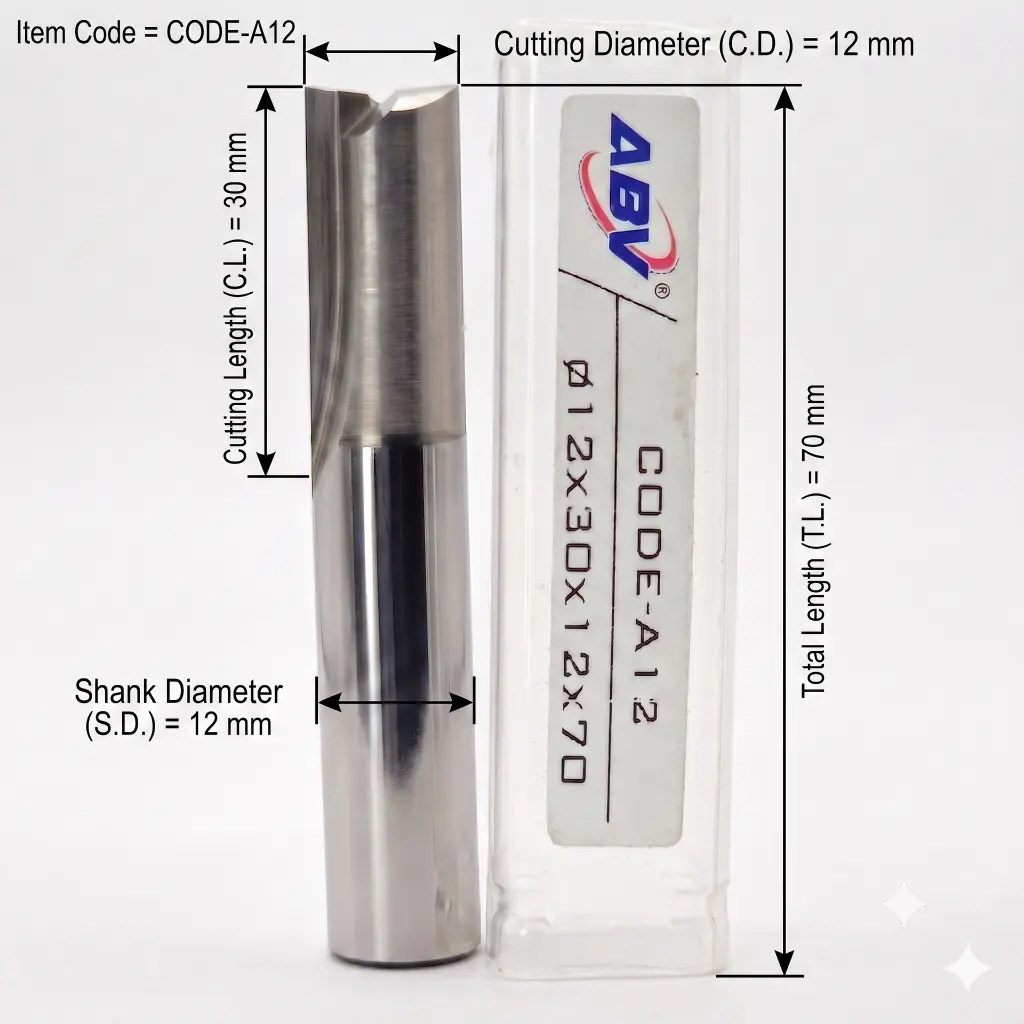
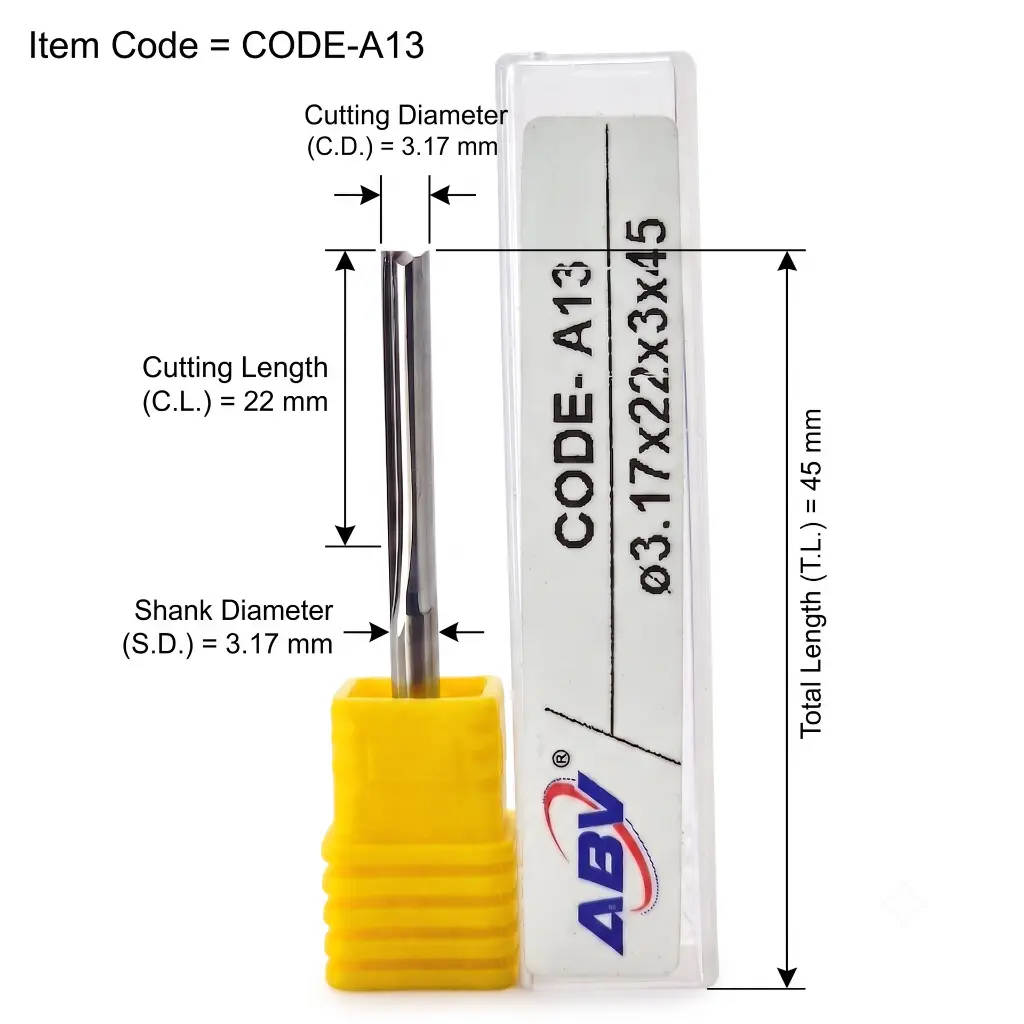
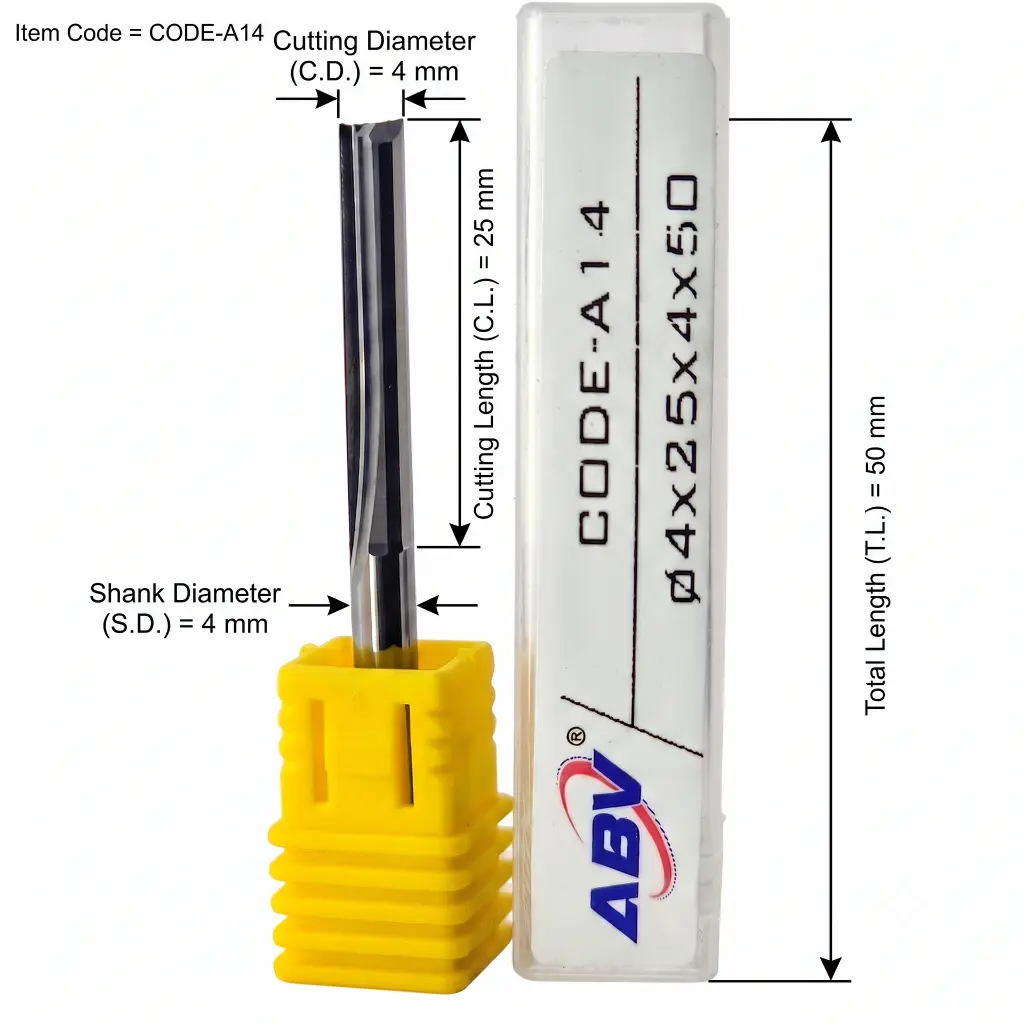
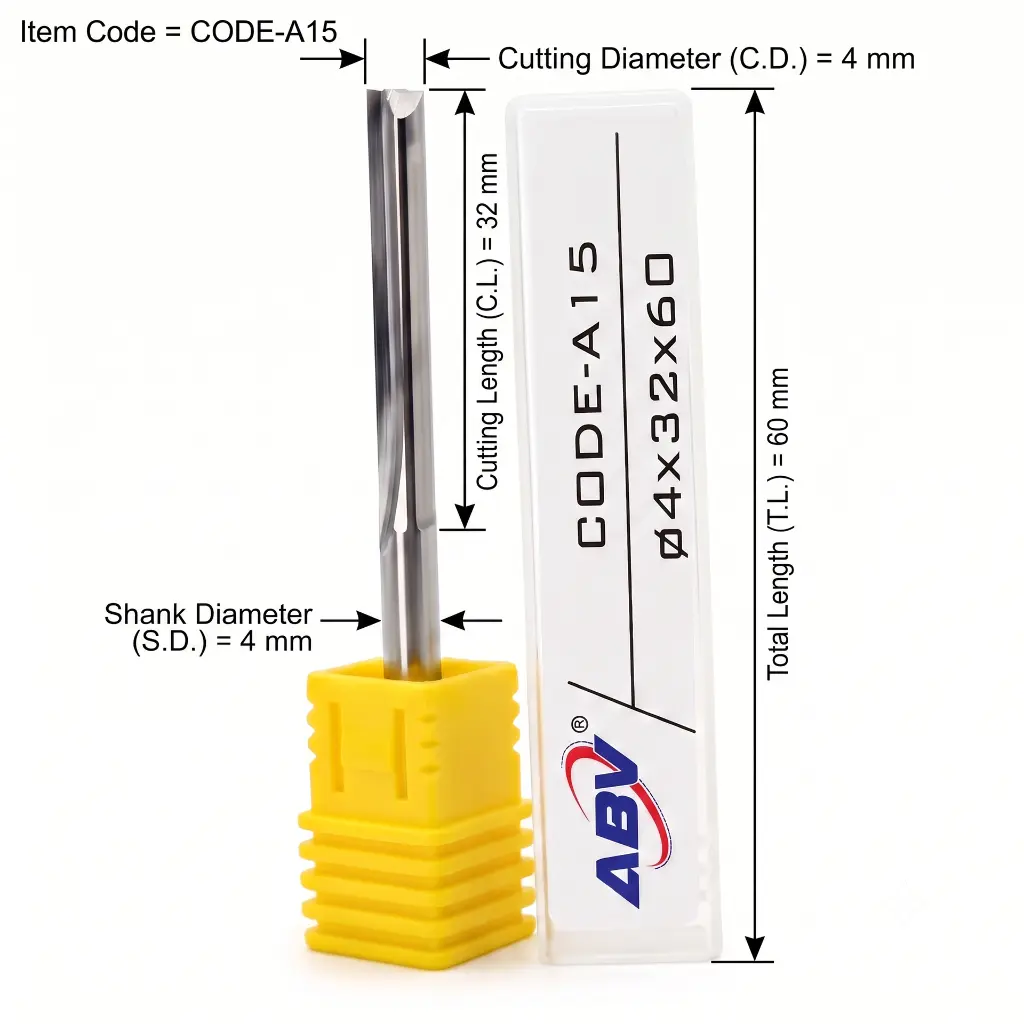
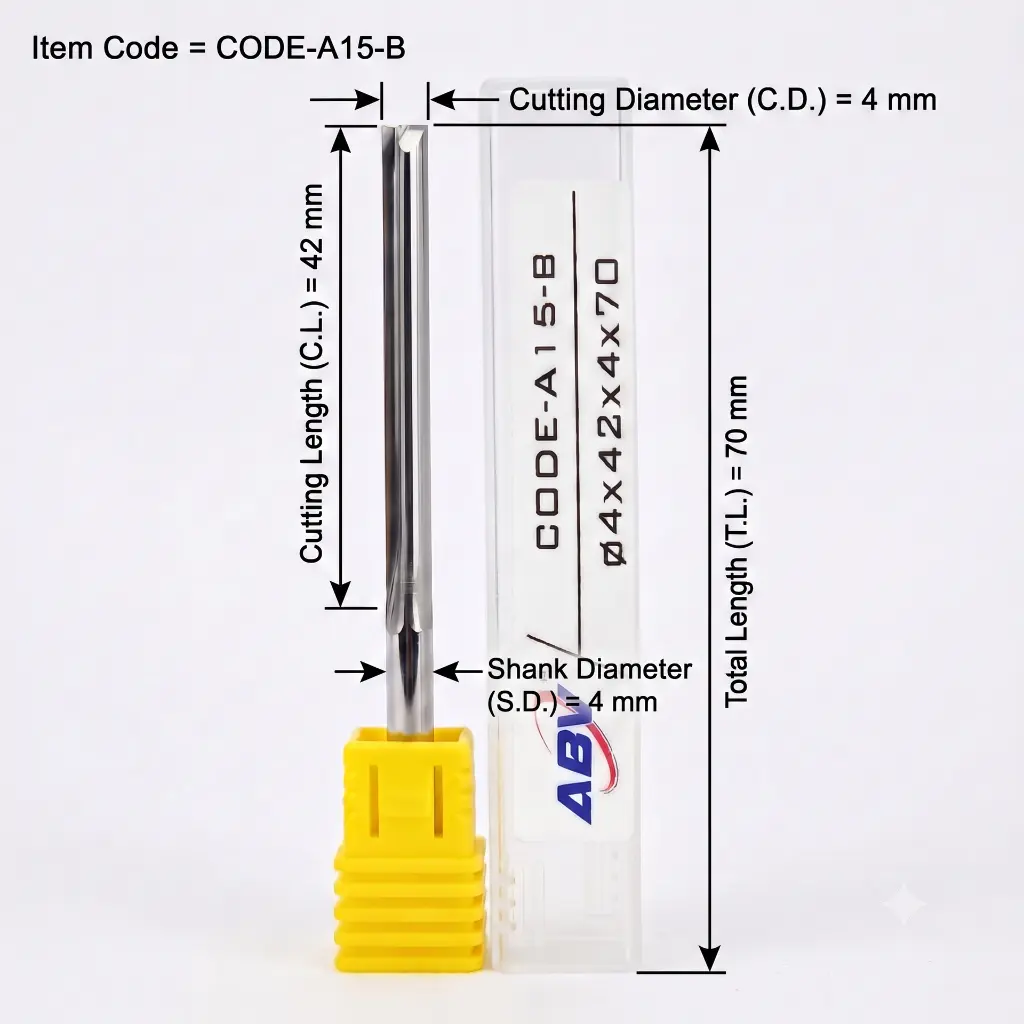
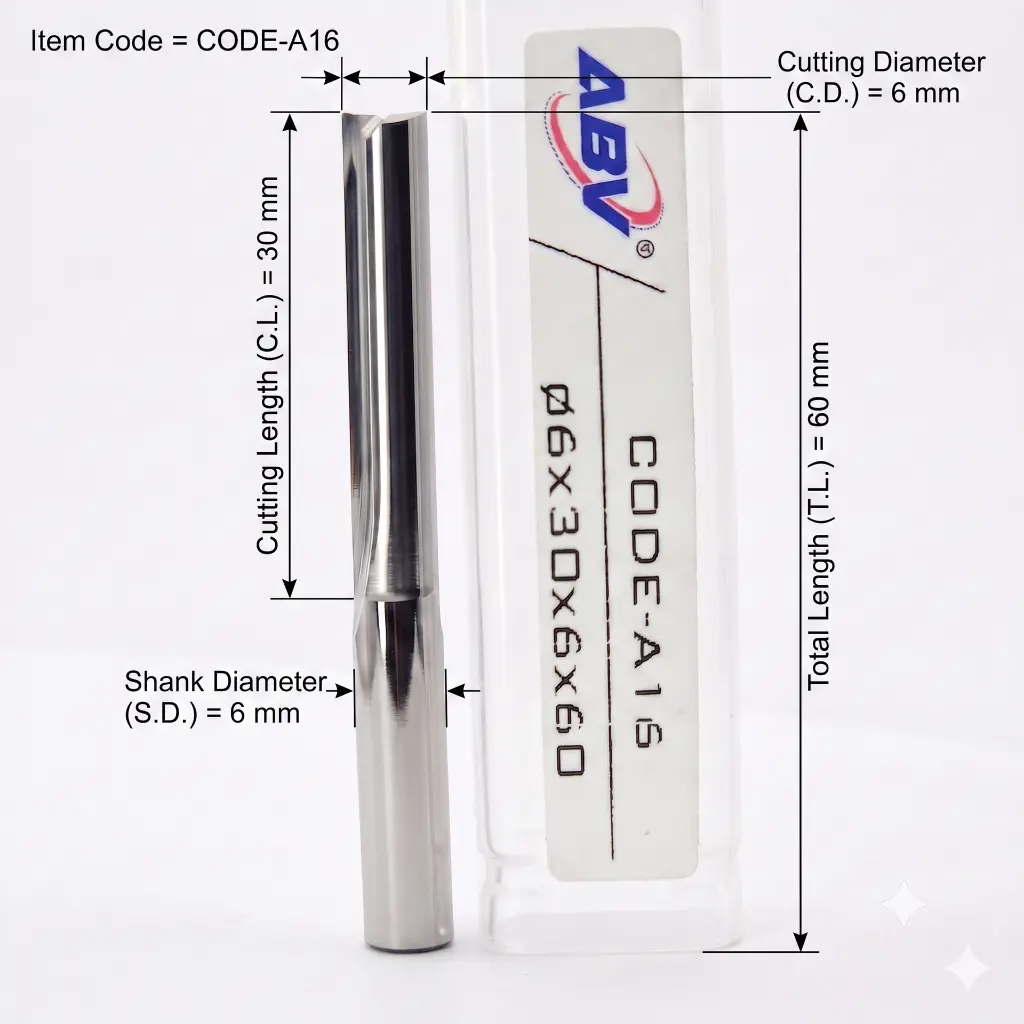
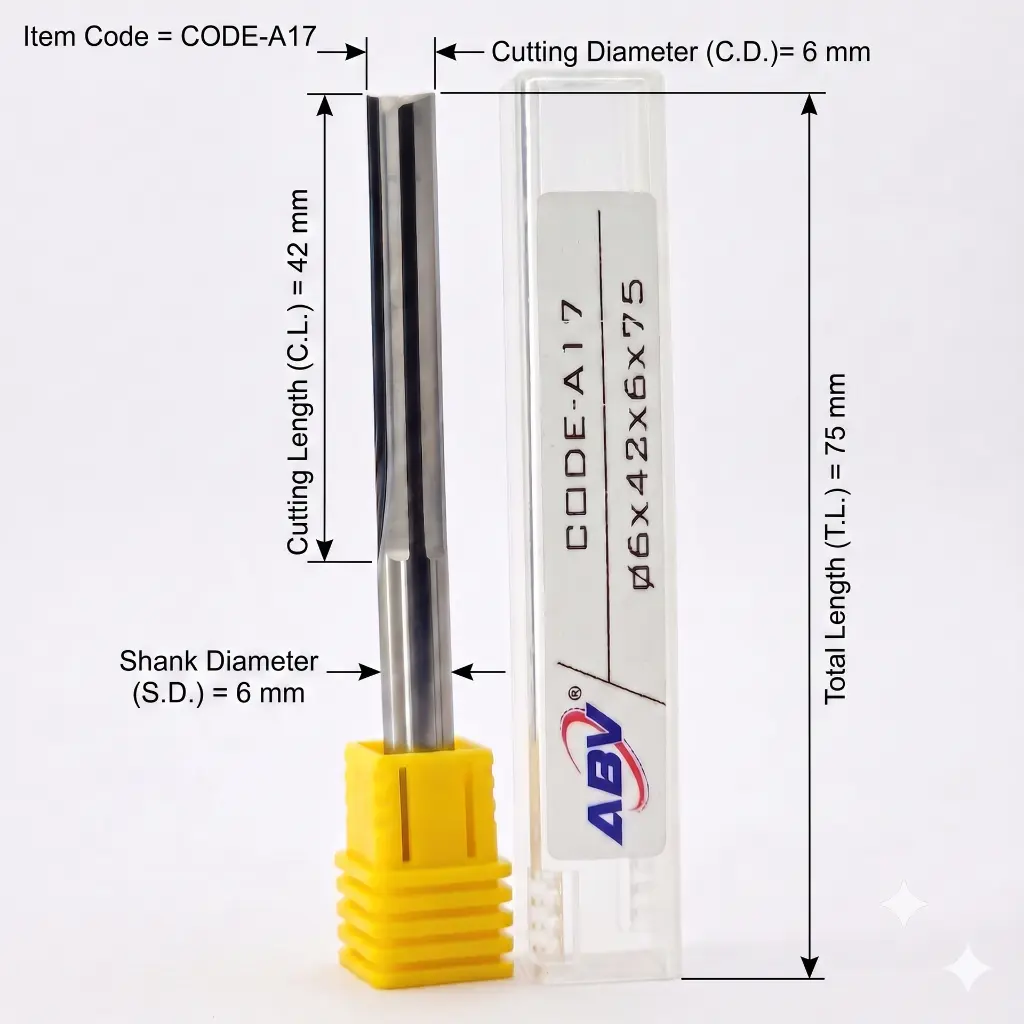
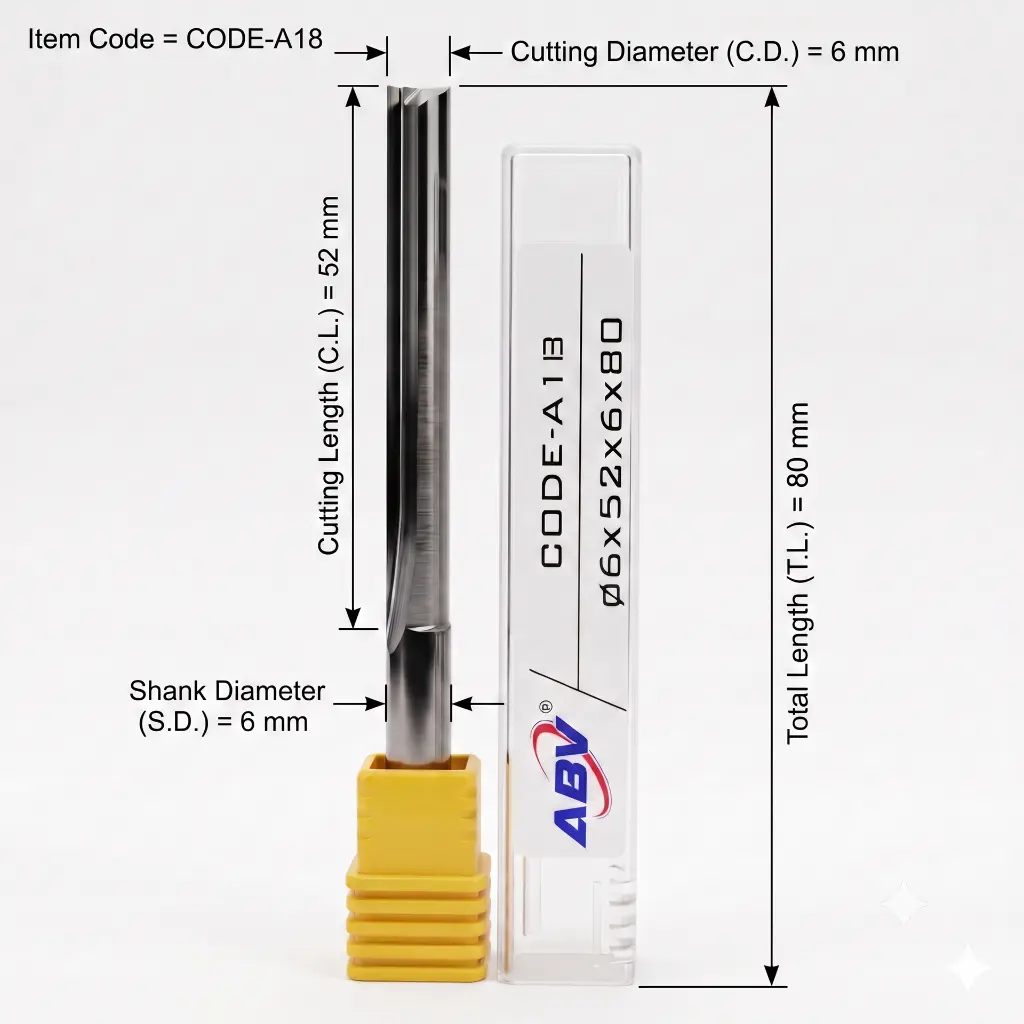
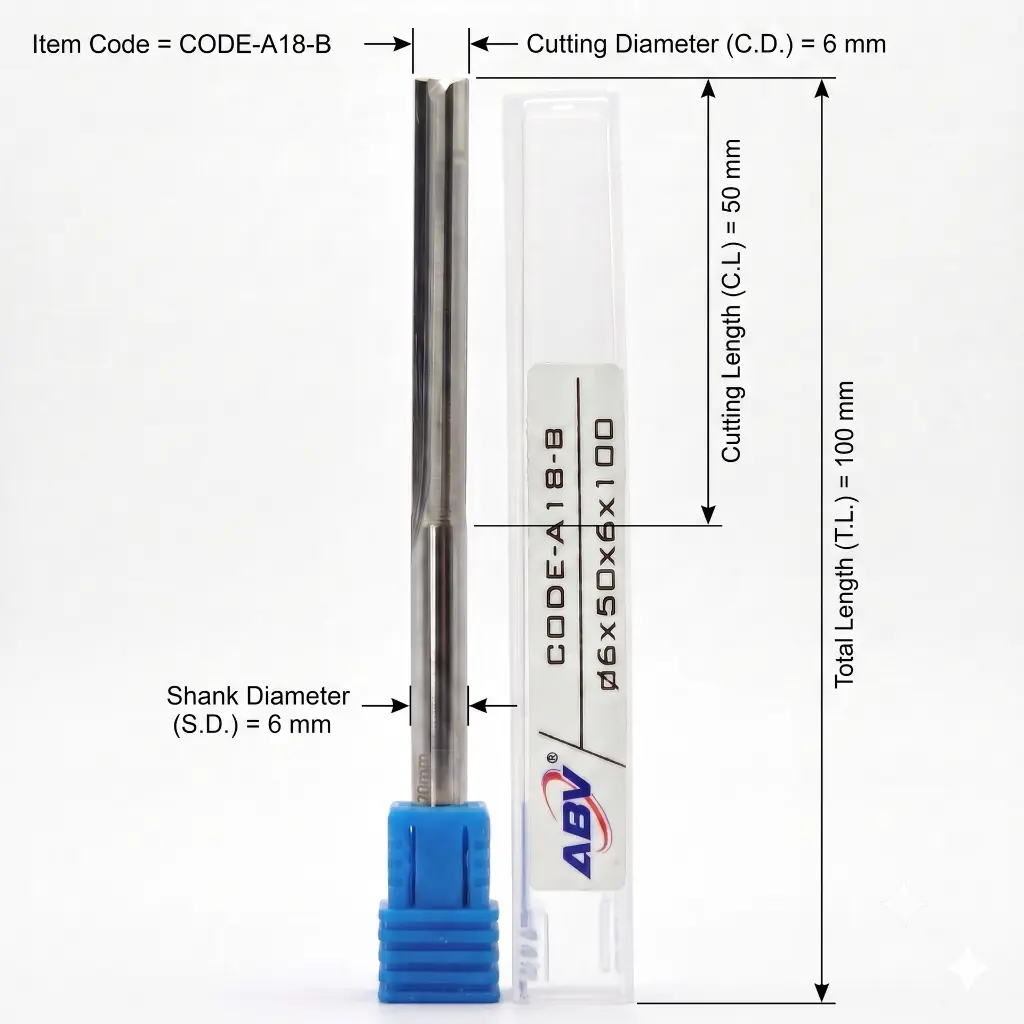
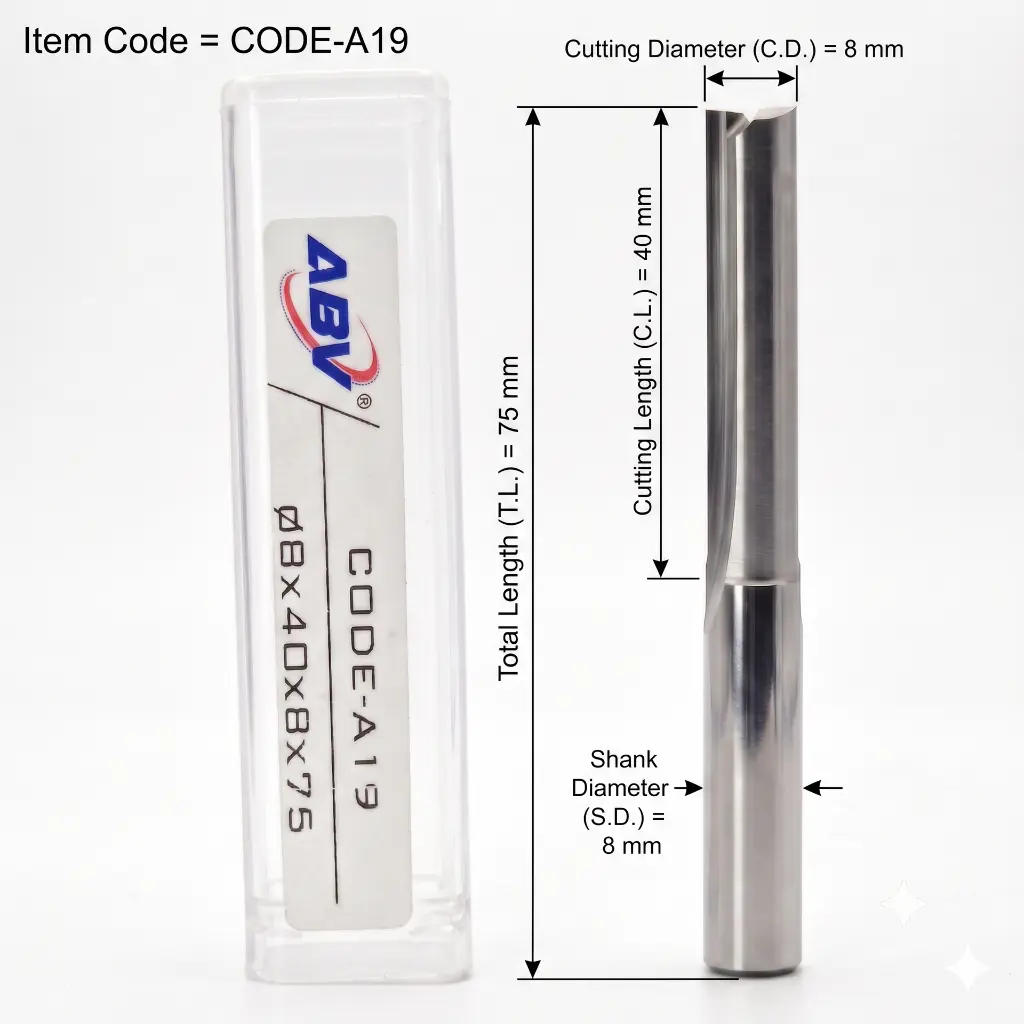
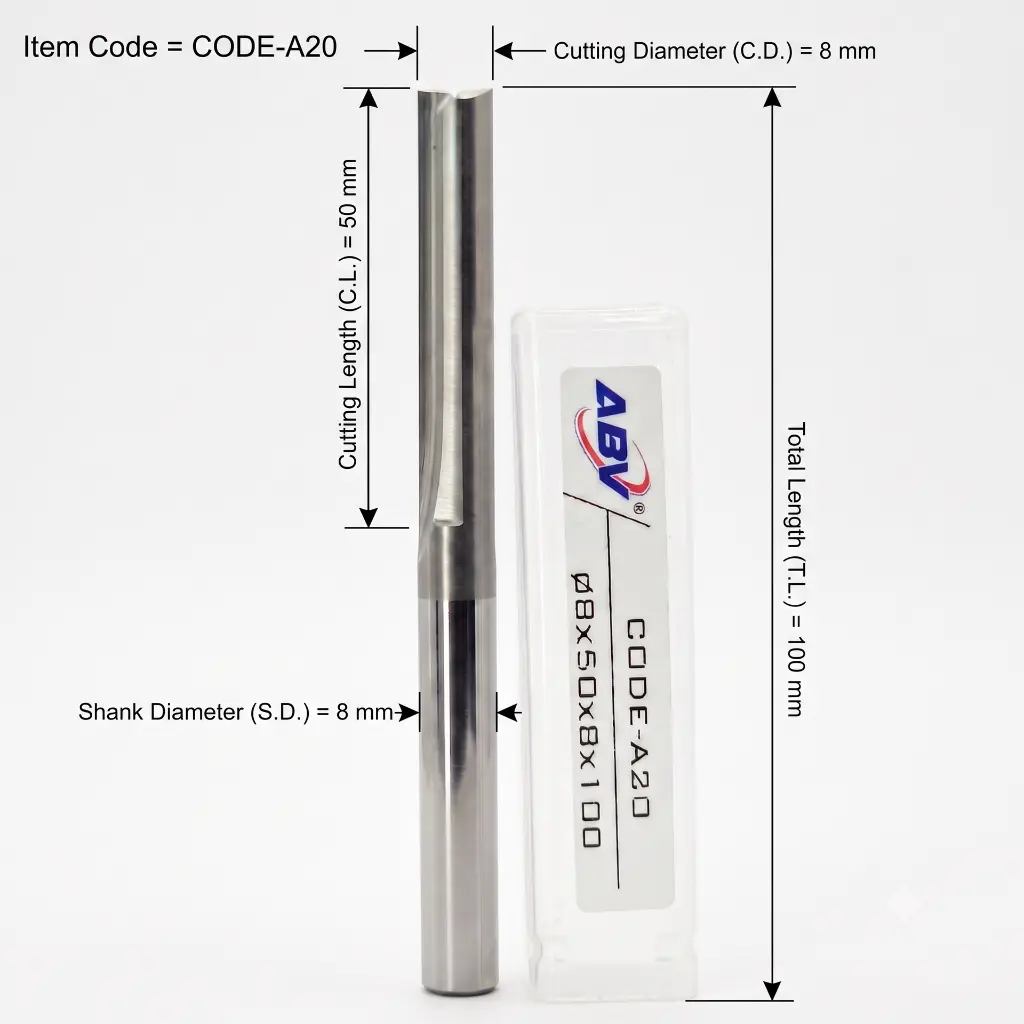
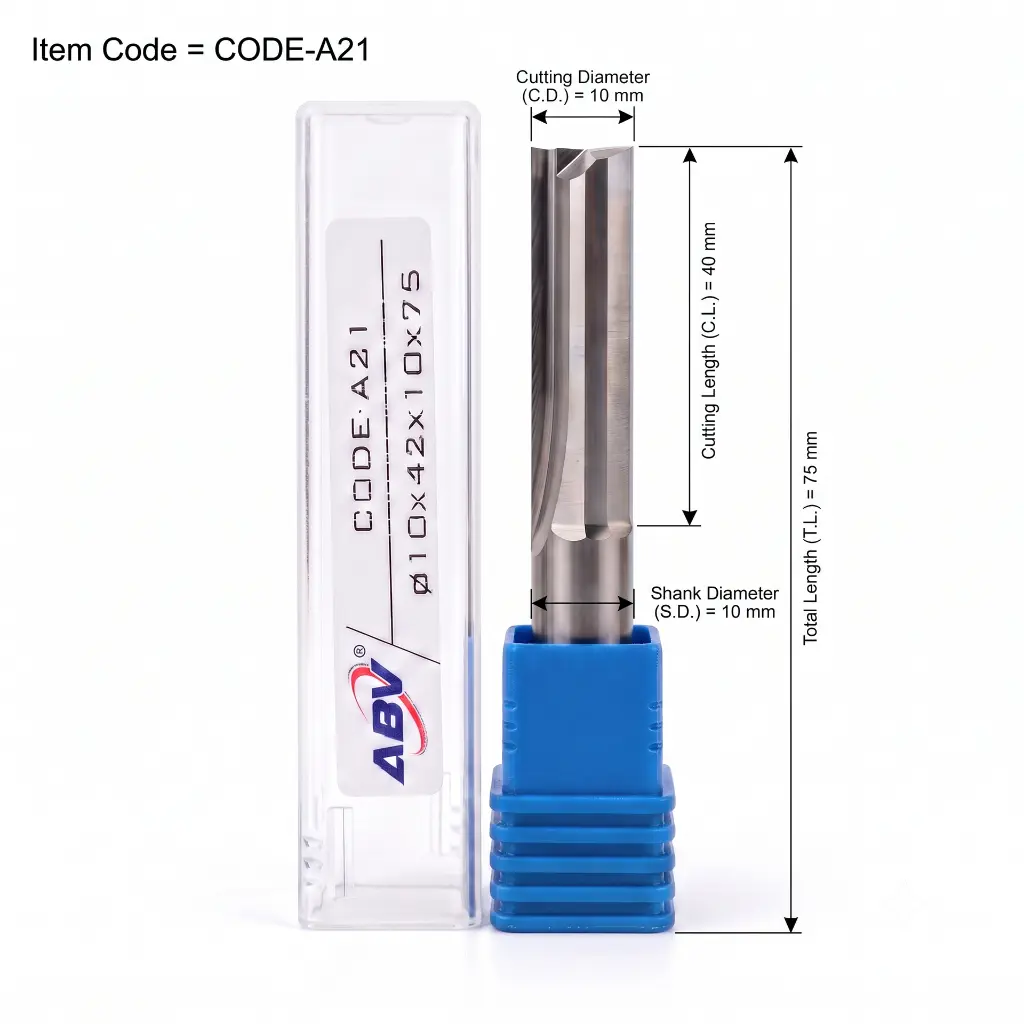
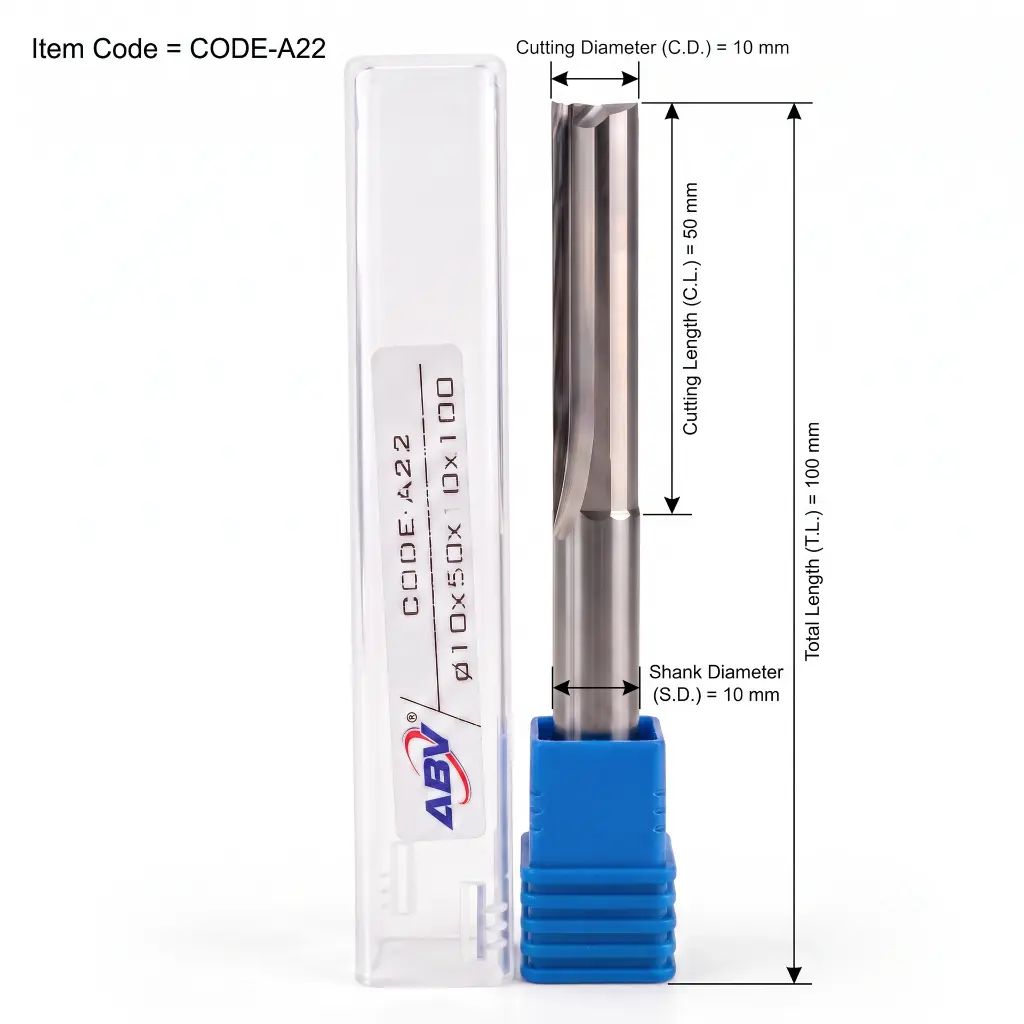
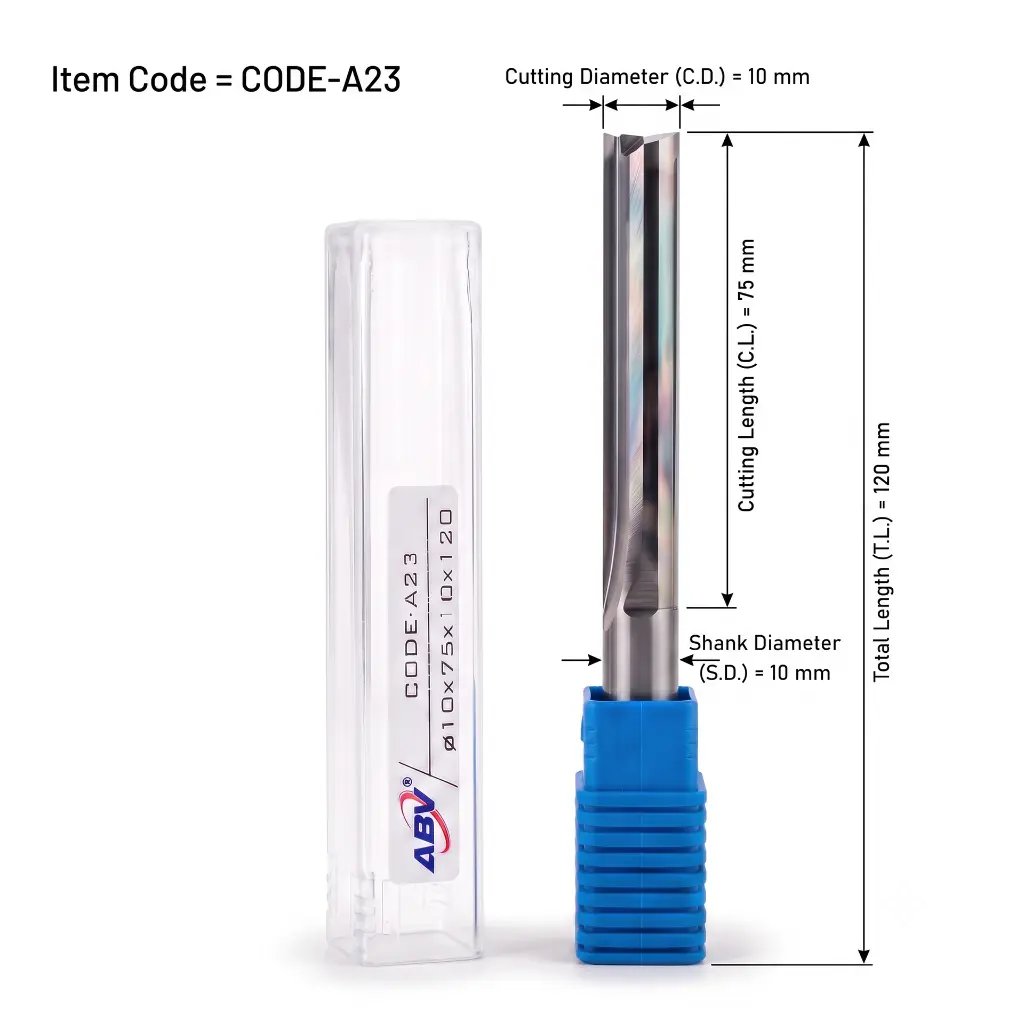
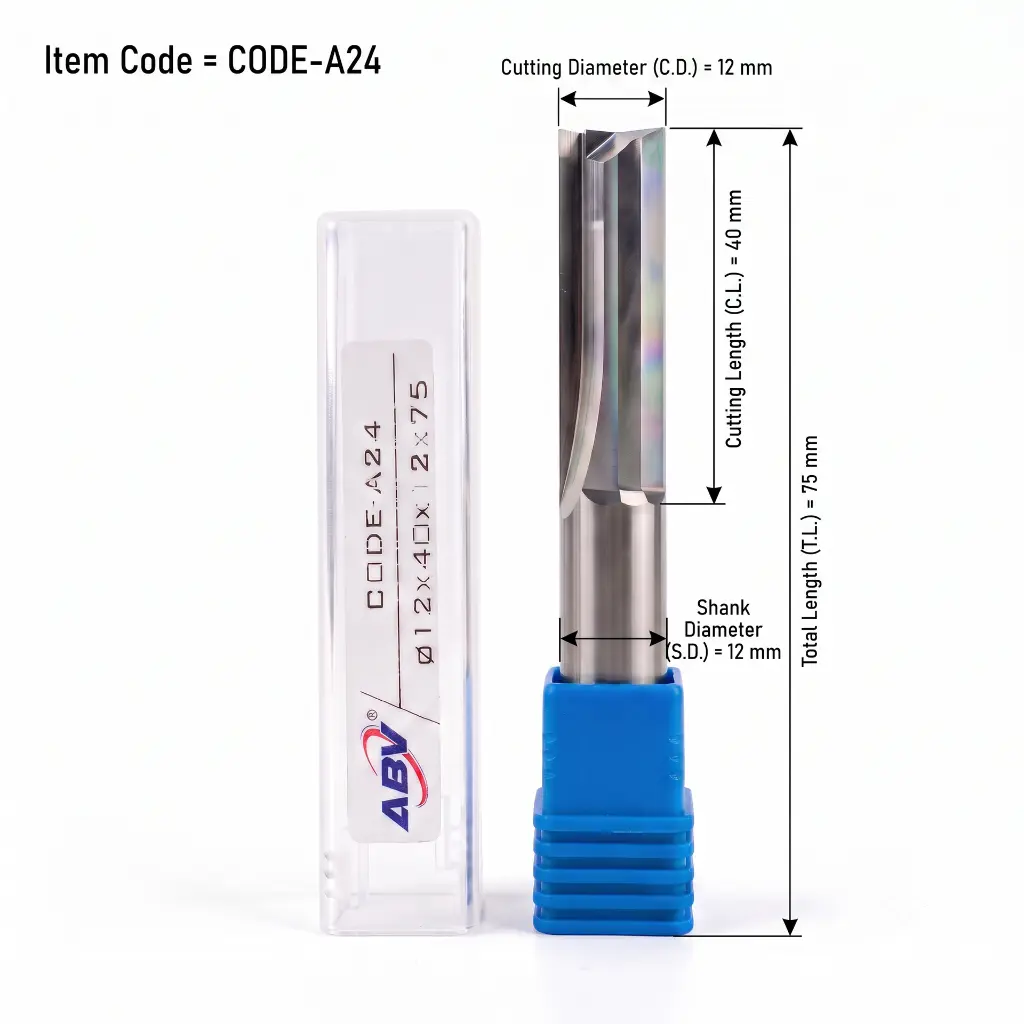
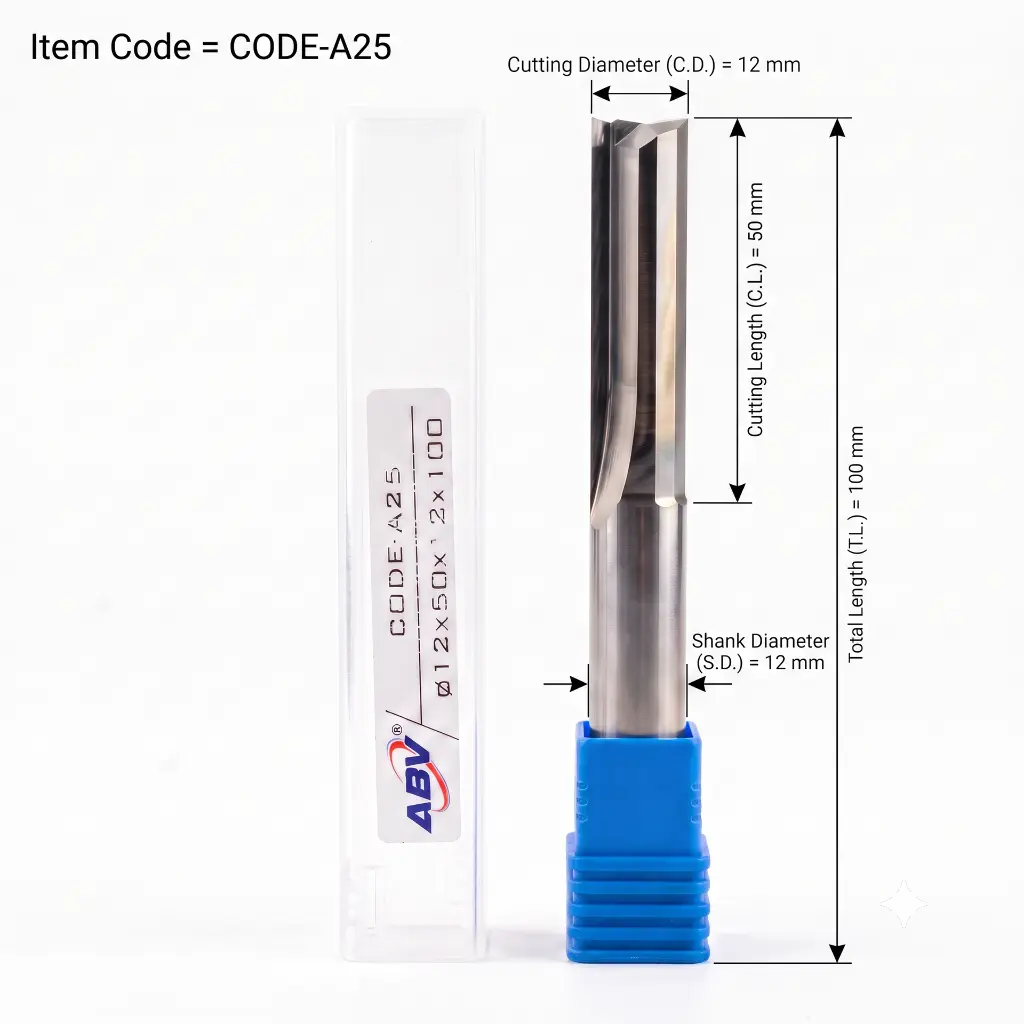
A Two Flute Straight End Mill is a staple in any CNC toolkit, specifically designed for tasks where "chipping" or "fuzzing" on the surface of the material needs to be minimized. Unlike spiral bits, the straight flutes have a 0° helix angle, meaning they cut straight down without pulling the material up or pushing it down.
Here is a breakdown of why and how to use them:
Key Features & Benefits
Neutral Cutting Action: Because the flutes are vertical, they don't exert upward or downward pressure on the workpiece. This makes them ideal for machining thin or laminated materials that might otherwise lift or chatter.
Superior Edge Finish: They are famous for leaving a clean, square edge on the side of a cut.
Durability: Straight flutes are often beefier than their spiral counterparts, making them less prone to snapping during heavy lateral cuts in rigid materials.
Best Applications
| Material | Why use a Straight Flute? |
| Plywood / Veneer | Prevents the delicate top layer from splintering (fraying). |
| MDF & Particle Board | Provides a smooth, sand-free finish on the edges. |
| Natural Woods | Excellent for grooves, dadoes, and rabbets where a clean bottom isn't as critical as clean sides. |
| Plastics/Acrylics | Reduces the "grabbing" effect that spirals can sometimes have on softer polymers. |
Pro-Tips for Performance
Chip Clearance: Unlike spiral bits that "screw" chips out of the hole, straight bits rely on the speed of the cut to fling debris away. Ensure you have good dust extraction or air blast to prevent heat buildup in deep channels.
Entry Strategy: While many are "center-cutting" (can plunge), they aren't as efficient at it as a spiral bit. It is usually better to ramp into the material at an angle to save wear on the tip.
Speed vs. Feed: If you see burning on the wood, increase your feed rate (move faster) or slightly lower your RPM. Straight bits generate a lot of friction if they dwell too long in one spot.